
Comprehensive Guide to Automatic Cement Vicat Needle for Accurate Testing
Automatic Cement Vicat Needle: A Comprehensive Guide
The Automatic Cement Vicat Needle is a crucial instrument in modern cement testing. Accurate determination of cement setting time is paramount for ensuring concrete quality and project success. This guide will detail the functions, benefits, applications, and technical specifications of this advanced testing equipment, helping you understand its importance and value for your quality control processes. Reliable setting time analysis provided by an automatic vicat needle is a critical step in producing durable and safe cement-based materials.
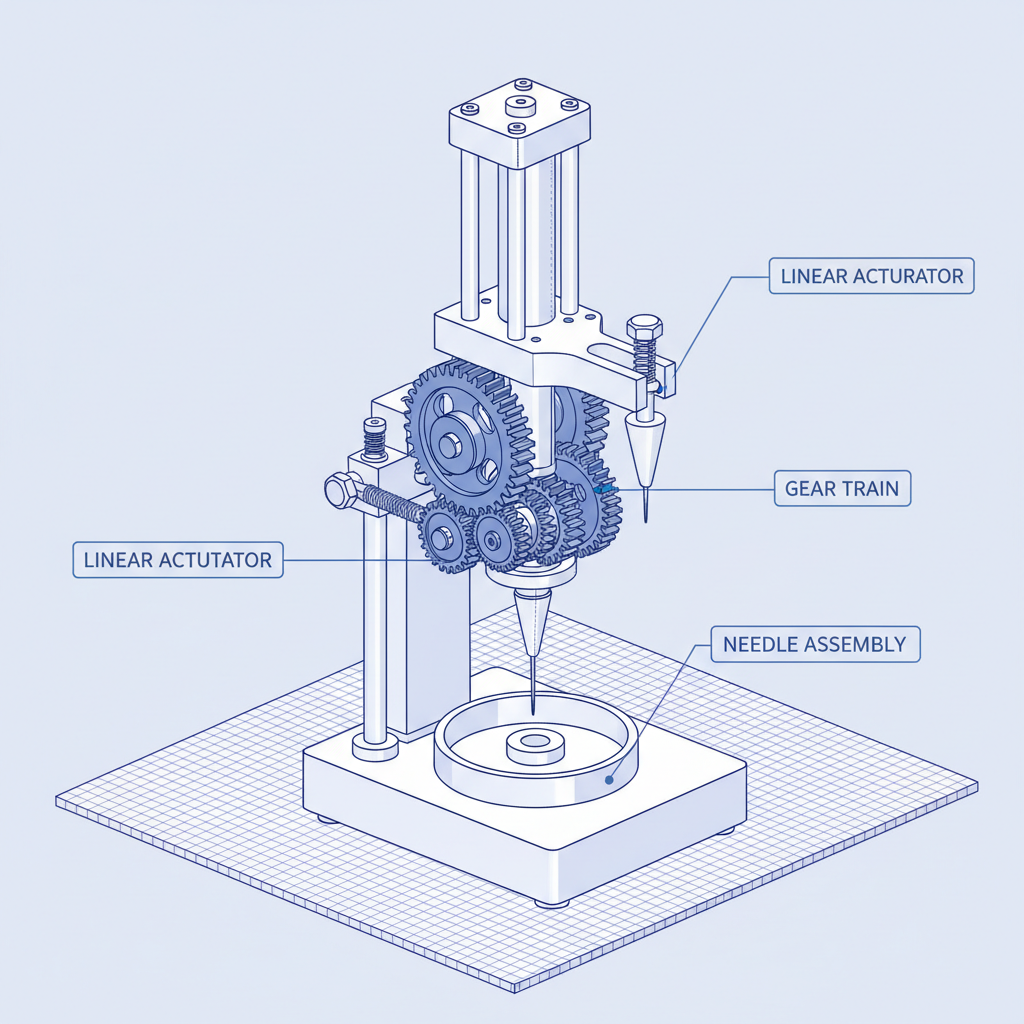
Understanding the Function of an Automatic Cement Vicat Needle
The Vicat needle, historically a manual tool, has been revolutionized with automation. The Automatic Cement Vicat Needle accurately determines the initial and final setting times of cement by measuring the resistance offered by the cement paste to a standardized needle. The apparatus consists of a precisely weighted needle that penetrates the cement paste. As the cement hydrates and sets, the resistance increases, registering on the instrument’s display. Automation eliminates subjective human error associated with manual readings, providing consistent, reproducible results. This precision is vital for adhering to industry standards and ensuring the quality of cement production and concrete application.
Key Benefit: Automated measurement reduces human error and ensures consistently accurate setting time determination.
Applications of the Automatic Vicat Needle
The applications of this instrument span a wide range of industries and quality control processes. Primarily, it’s used in cement manufacturing plants to monitor batch-to-batch consistency and ensure compliance with regulatory standards. Construction companies employ it to verify the cement quality received from suppliers. Research and development laboratories utilize it for developing new cement formulations and evaluating their setting characteristics. Furthermore, precast concrete manufacturers and concrete ready-mix plants rely on accurate setting time data to optimize their production schedules and ensure the workability of concrete mixtures. The Vicat Needle is an essential tool for anyone involved in the production or application of cement-based materials.
Key Application Areas:
• Cement Manufacturing Quality Control
• Construction Material Verification
• Concrete Ready-Mix Production
• Cement Research and Development
Automatic vs. Manual Vicat Needles: A Comparative Analysis
While both automatic and manual Vicat needles serve the same purpose, the automatic version offers significant advantages. Manual needles require a skilled operator to observe and record the point of penetration, introducing potential for subjective interpretation. Automatic needles eliminate this subjectivity with precise sensors and digital displays. Automation also enables data logging and export capabilities, streamlining record-keeping and analysis. Furthermore, automated systems typically offer faster testing times and improved repeatability. The initial investment in an automatic system is higher, but the long-term benefits in terms of accuracy, efficiency, and data management outweigh the cost.
Key Features of the CZLab Instrument Automatic Vicat Needle
CZLab Instrument's Automatic Cement Vicat Needle is designed with precision and user-friendliness in mind. It features a high-resolution display for clear and accurate readings. The instrument is constructed with durable materials for long-lasting performance and reliability. Integrated safety features protect both the operator and the equipment. The system offers programmable testing parameters allowing for customization to different cement types and standards. Data can be easily exported to a computer for further analysis and reporting. We prioritize providing instruments that deliver consistent, dependable results, contributing to the overall quality control of your cement production processes.
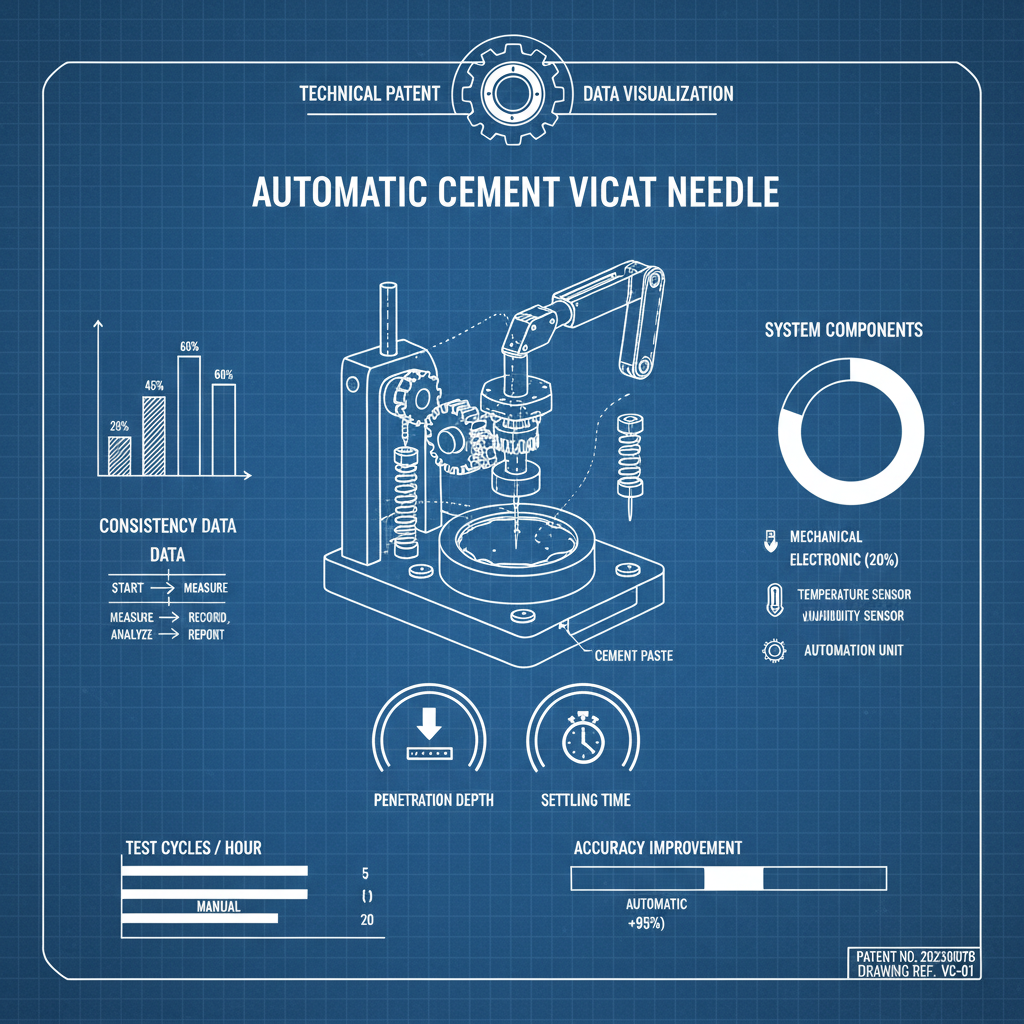
Technical Specifications & Standards
Our Automatic Vicat Needle is engineered to meet rigorous industry standards. It conforms to ASTM C403, EN 196-3, and other relevant international standards. Here are some key technical specifications:
Conclusion: Invest in Accurate Cement Testing
The CZLab Instrument Automatic Cement Vicat Needle is an investment in quality, efficiency, and reliability. Its advanced features and accurate results will empower you to maintain consistent cement quality, optimize production processes, and ensure the structural integrity of your concrete projects. Choose CZLab for dependable testing solutions.
Frequently Asked Questions (FAQs)
What cement types can be tested with this instrument?
The Automatic Cement Vicat Needle is compatible with a wide range of cement types, including Ordinary Portland Cement (OPC), Portland Pozzolana Cement (PPC), Portland Slag Cement (PSC), and rapid hardening cements. The instrument’s programmable settings allow for adjustments to suit the specific hydration characteristics of each cement type. It’s essential to select the appropriate settings based on the cement’s composition and desired test parameters. Refer to the instrument’s manual for detailed guidelines on configuring the settings for different cement types.
How often should the Vicat needle be calibrated?
Regular calibration is crucial to ensure the accuracy and reliability of the Automatic Cement Vicat Needle. We recommend calibrating the instrument at least once a year, or more frequently if it is subjected to heavy use or significant environmental fluctuations. Calibration should be performed by a qualified technician using certified reference materials. CZLab Instrument offers calibration services or can provide guidance on performing calibration in-house.
What kind of maintenance is required for the Automatic Vicat Needle?
The Automatic Cement Vicat Needle requires minimal maintenance. Regularly clean the instrument after each use to remove any cement residue. Ensure the needle is free from damage and properly aligned. Check the power supply and connections periodically. Follow the cleaning and maintenance instructions provided in the instrument’s manual. Avoid exposing the instrument to extreme temperatures or humidity.
Does the instrument come with data logging capabilities?
Yes, the CZLab Instrument Automatic Cement Vicat Needle comes equipped with comprehensive data logging capabilities. The instrument can store a significant number of test results, which can be easily exported to a computer via USB or other interfaces for further analysis and reporting. This feature is invaluable for tracking trends, maintaining quality control records, and generating comprehensive reports.


