
Comprehensive Guide to Cement Mortar Vibrating for Optimal Concrete Strength
Cement Mortar Vibrating: A Comprehensive Guide
Achieving optimal concrete strength and durability relies heavily on proper consolidation. Cement Mortar Vibrating plays a critical role in this process, removing entrapped air and ensuring a dense, homogenous mix. This article explores the importance of vibration, different types of vibrators, key considerations when selecting equipment, and how CZ Lab Instrument can provide solutions for your concrete testing needs. Effective vibration is paramount for preventing voids, improving surface finish, and maximizing the structural integrity of concrete projects.
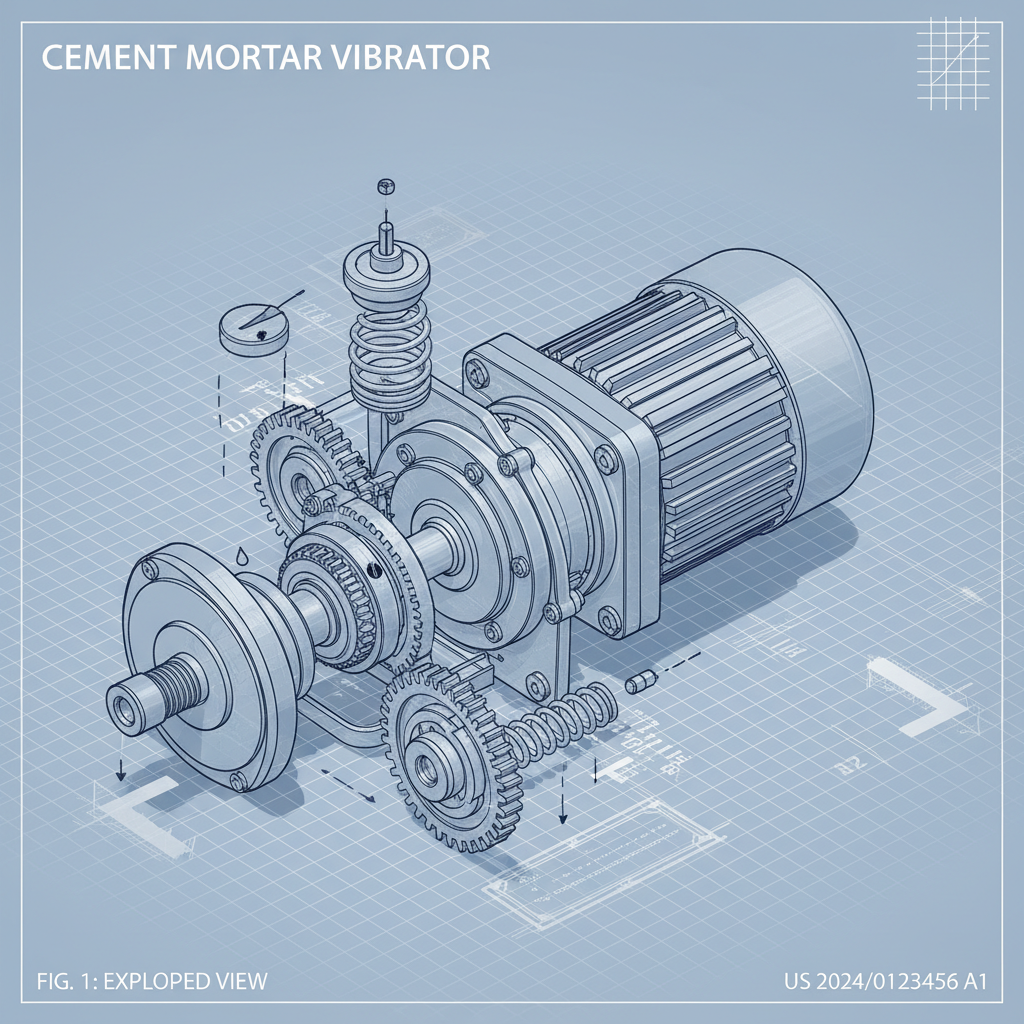
Why is Cement Mortar Vibrating Important?
During concrete mixing and pouring, air bubbles become trapped within the matrix. These voids weaken the concrete, reducing its compressive strength, increasing permeability, and making it susceptible to cracking. Cement mortar vibrating effectively eliminates these air pockets by creating rapid oscillations. This process forces the concrete particles closer together, resulting in a denser, stronger, and more durable material. Proper vibration also improves the surface finish, reducing the need for costly repairs and enhancing aesthetic appeal. Without adequate vibration, concrete structures are at risk of premature failure and reduced service life.
Key Benefits: Increased strength, reduced permeability, improved surface finish, enhanced durability, and prevention of structural defects.
Types of Cement Mortar Vibrators
There are several types of vibrators commonly used in concrete consolidation. Each offers distinct advantages depending on the application. These include:
- Internal Vibrators (Needle Vibrators): These are the most common type, featuring a flexible shaft with a vibrating head inserted directly into the concrete.
- External Vibrators (Form Vibrators): Attached to the exterior of forms, these vibrators transmit energy through the formwork to consolidate the concrete.
- Surface Vibrators (Screed Vibrators): Used to vibrate the surface of concrete slabs during screeding, creating a level and consolidated finish.
- Table Vibrators: Employed in laboratory settings and for precast concrete elements, these vibrate a mold or form placed on a vibrating table.
Vibrator Selection Considerations:
• Concrete mix design (slump, aggregate size)
• Formwork type and dimensions
• Project size and complexity
• Accessibility and site conditions
Choosing the Right Cement Mortar Vibrating Equipment
Selecting the appropriate vibrator is crucial for achieving optimal results. Factors to consider include the frequency and amplitude of vibration, the size and shape of the vibrating head, and the power source. Higher frequencies are generally more effective for consolidating finer mixes, while lower frequencies are better suited for coarser aggregates. The vibrating head should be sized appropriately for the concrete section being consolidated, ensuring complete coverage. CZ Lab Instrument offers a wide range of vibrators to meet diverse project requirements.
CZ Lab Instrument: Your Partner for Concrete Testing
CZ Lab Instrument provides a comprehensive range of high-quality concrete testing equipment, including a diverse selection of cement mortar vibrators. We offer solutions for various applications, from laboratory research to on-site construction projects. Our team of experts can help you select the optimal vibrator for your specific needs, ensuring accurate and reliable results. We are committed to delivering innovative solutions and exceptional customer support.
Over-Vibration and Under-Vibration: Avoiding Common Mistakes
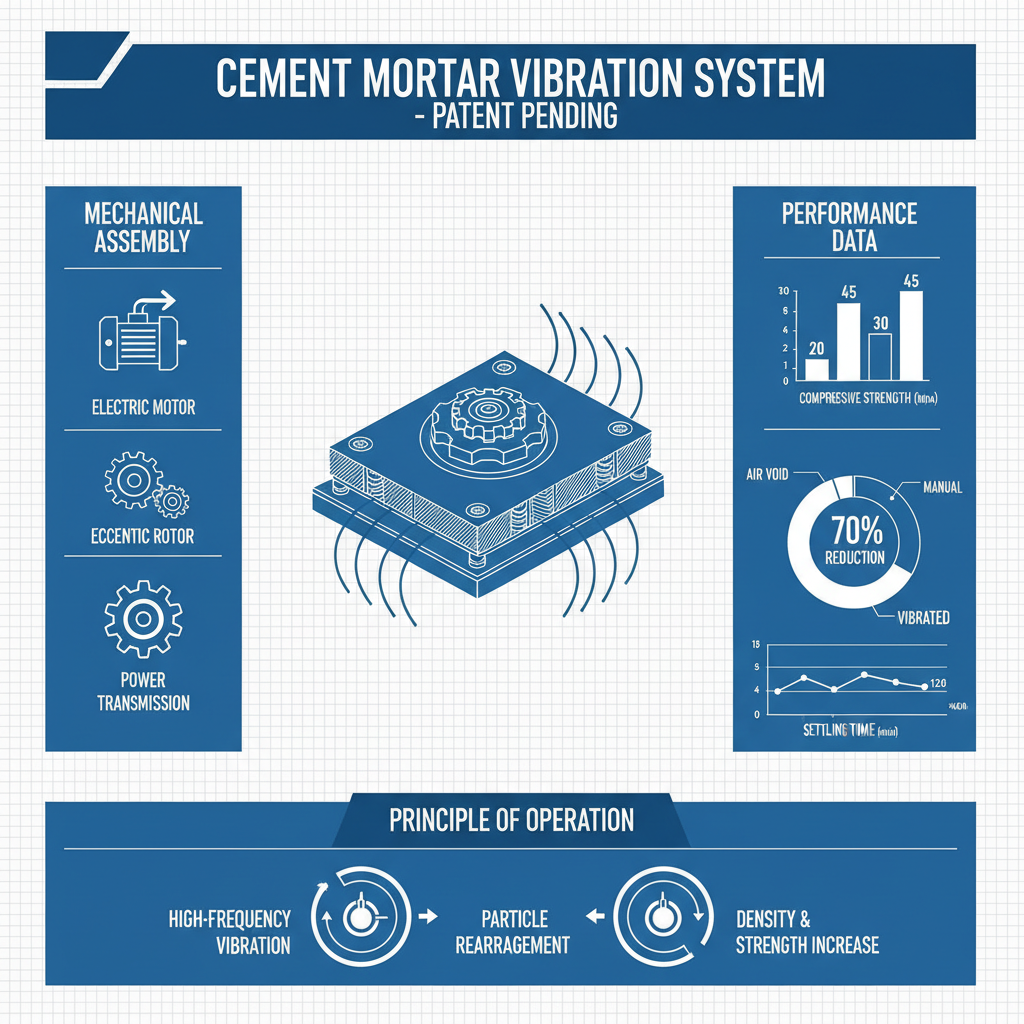
It's essential to avoid both over-vibration and under-vibration. Over-vibration can lead to segregation of the concrete mix, causing the heavier aggregates to settle to the bottom and the cement paste to rise to the top, weakening the structure. Under-vibration, conversely, leaves air pockets and voids, resulting in reduced strength and durability. Proper vibration technique involves inserting the vibrator vertically, withdrawing it slowly at a rate of about 5-7 cm per second, and avoiding prolonged vibration in one location. Visual inspection for a consistent, glossy surface is a good indicator of proper consolidation.
Conclusion: Ensuring Concrete Quality with Effective Vibration
Effective cement mortar vibrating is fundamental to creating strong, durable, and long-lasting concrete structures. By understanding the principles of vibration, selecting the right equipment from providers like CZ Lab Instrument, and employing proper techniques, you can ensure the quality and integrity of your concrete projects.
Frequently Asked Questions (FAQs)
What is the ideal vibration time for concrete?
The ideal vibration time varies depending on the concrete mix, the size of the section being vibrated, and the type of vibrator used. As a general guideline, vibrate each section for 5-15 seconds. It's crucial to observe the concrete surface during vibration. Vibration should be stopped when air bubbles cease to appear and the concrete surface becomes glossy and level. Over-vibration can cause segregation, while under-vibration leaves voids. Experience and careful observation are key to determining the optimal vibration time for each situation.
How do I prevent segregation during vibration?
To prevent segregation, avoid over-vibration, and use a vibrator with an appropriate frequency and amplitude for the concrete mix. Ensure the vibrator is inserted vertically and withdrawn slowly at a consistent rate. Avoid vibrating areas that are already consolidated. Maintain a consistent slump throughout the concrete placement process. A well-designed concrete mix with proper aggregate grading also helps minimize segregation.
What maintenance is required for cement mortar vibrators?
Regular maintenance is essential for ensuring the longevity and performance of vibrators. This includes cleaning the vibrator head after each use to remove concrete residue. Inspect the power cord for damage and ensure all connections are secure. Lubricate moving parts as recommended by the manufacturer. For electric vibrators, check the motor brushes for wear and replace them as needed. Proper storage in a clean, dry environment will also help prevent corrosion and damage.
Where can I find high-quality cement mortar vibrators and testing equipment?
CZ Lab Instrument offers a comprehensive selection of high-quality cement mortar vibrators and other concrete testing equipment. We provide reliable products, competitive pricing, and expert technical support. Visit our website or contact our team today to discuss your specific needs.


