
Comprehensive Guide to Concrete Cube Compression Machine Applications and Selection
Concrete Cube Compression Machine: A Comprehensive Guide
Testing the compressive strength of concrete is crucial in construction and material science. A Concrete Cube Compression Machine is essential for ensuring the quality and safety of concrete structures. This article provides an in-depth look at these machines, their applications, key features, and how to choose the right one for your needs. We will explore different types, testing procedures, and factors to consider when investing in this vital piece of laboratory equipment. Understanding these machines ensures reliable and accurate results for your concrete testing.
Understanding Concrete Cube Compression Machines
A Concrete Cube Compression Machine applies a steadily increasing compressive load to a concrete specimen (typically a cube) until it fails. This failure point indicates the concrete's compressive strength, a key indicator of its quality. These machines are widely used in quality control laboratories, construction sites, and research institutions. They help verify that concrete mixes meet specified strength requirements before being used in building projects. The machine’s accuracy and reliability directly impact the safety and longevity of structures built with that concrete.
Key Benefit: Ensures structural integrity and safety by verifying concrete meets required compressive strength standards.
Types of Concrete Cube Compression Machines
Concrete Cube Compression Machines are primarily categorized by their loading mechanisms: manual, semi-automatic, and fully automatic. Manual machines require the operator to apply the load using a lever or screw. Semi-automatic machines offer some automation, typically in the load application rate. Fully automatic machines are computer-controlled, providing precise load control, data acquisition, and report generation. Choosing the appropriate type depends on your testing volume, budget, and required level of accuracy.
Machine Type Comparison:
• Manual: Cost-effective, suitable for low-volume testing.
• Semi-Automatic: Improved efficiency, moderate cost.
• Fully Automatic: High precision, automated data collection, higher cost.
Choosing the Right Concrete Cube Compression Machine
Selecting the right machine requires careful consideration of several factors. The maximum testing load capacity must align with the expected concrete strength. The machine's frame rigidity is critical for accurate results. Look for machines compliant with relevant standards, such as ASTM C39 or EN 12390-3. Consider the size of the testing space and the ease of operation and maintenance. Investing in a quality machine from a reputable supplier, like CZ Lab Instrument, ensures long-term reliability and accurate data.
Applications of Concrete Cube Compression Testing
Concrete cube compression testing has broad applications across the construction industry. It's used for quality control of ready-mix concrete, assessing the strength of concrete used in precast elements, and monitoring the performance of concrete in structures over time. It’s also critical for research and development of new concrete mixes and assessing the effectiveness of concrete additives. Accurate testing is crucial for ensuring structural integrity and preventing failures.
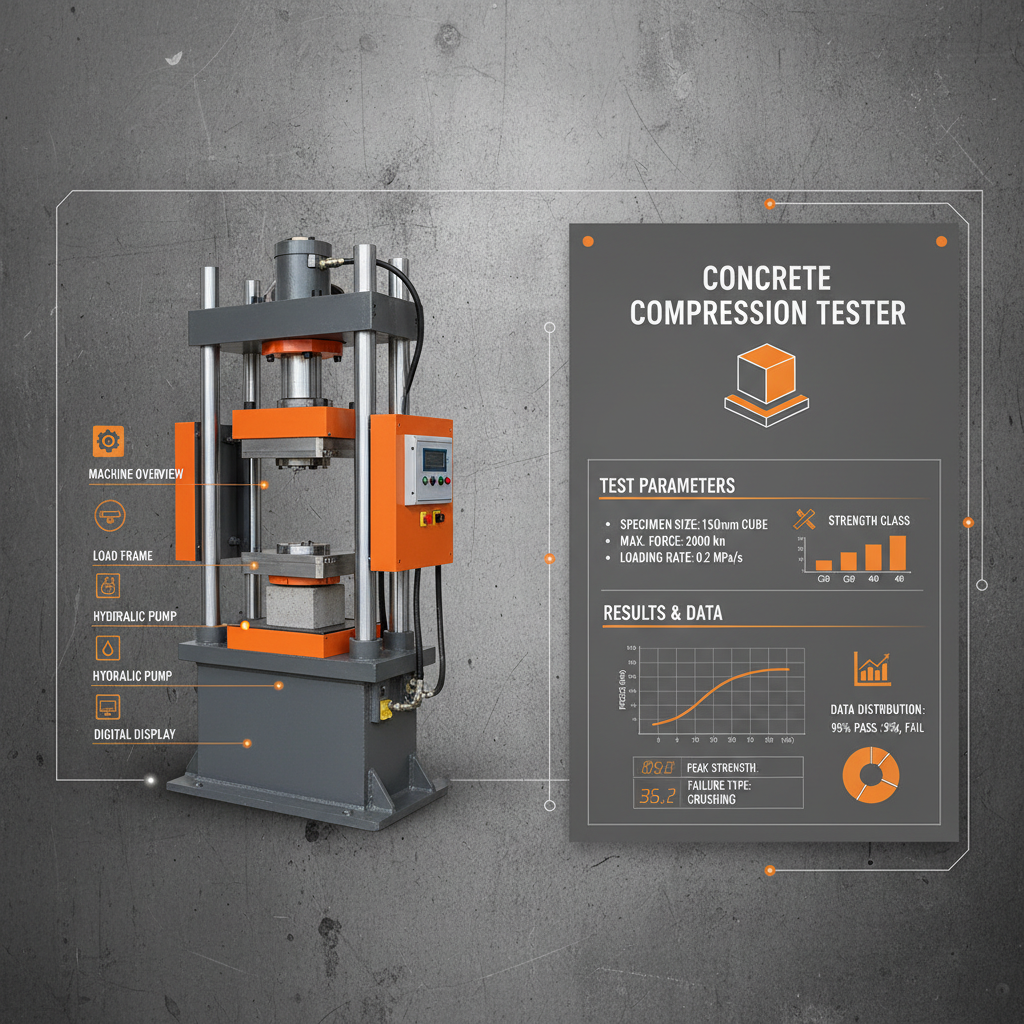
Technical Specifications and CZ Lab Instrument Offerings
CZ Lab Instrument offers a range of Concrete Cube Compression Machines designed to meet diverse testing requirements. Our machines feature high-precision load cells, robust frames, and user-friendly controls. We provide both hydraulic and servo-controlled models with various load capacities. Here’s a brief overview of specifications for our popular model:
Conclusion: Ensuring Quality and Safety with Reliable Testing
Investing in a high-quality Concrete Cube Compression Machine is crucial for any organization involved in concrete construction or testing. CZ Lab Instrument provides reliable, accurate, and user-friendly machines to meet your specific needs. By ensuring accurate compressive strength testing, you can guarantee the safety, durability, and longevity of your concrete structures.
Frequently Asked Questions (FAQs)
What is the importance of calibration for a Concrete Cube Compression Machine?
Calibration is essential to ensure the accuracy of the machine’s load readings. Regular calibration, typically annually or after major maintenance, verifies that the machine is applying the correct load. This is crucial for obtaining reliable test results and meeting industry standards. Without proper calibration, there’s a risk of inaccurate strength assessments, potentially leading to structural failures. CZ Lab Instrument offers calibration services to maintain the precision of your equipment.
What specimen size can be tested with CZ Lab Instrument's machines?
Our machines are designed to accommodate a range of standard specimen sizes, including 100x100x100mm and 150x150x150mm cubes. Many models offer adjustable platens to accommodate different sizes. We also offer custom platens for specialized testing requirements. It’s important to verify the compatibility of your specimen size with the machine's specifications before conducting a test.
How often should I perform maintenance on the machine?
Regular maintenance is key to prolonging the life and ensuring the accuracy of your Concrete Cube Compression Machine. This includes lubricating moving parts, checking hydraulic fluid levels (for hydraulic machines), and inspecting for any signs of wear or damage. We recommend performing basic maintenance monthly and a comprehensive inspection annually. CZ Lab Instrument provides detailed maintenance guides and support services to assist you.
What safety precautions should be followed when operating the machine?
Safety is paramount when operating a Concrete Cube Compression Machine. Always wear appropriate personal protective equipment (PPE), including safety glasses and hearing protection. Ensure the testing area is clear of personnel during operation. Familiarize yourself with the machine's emergency stop function. Never exceed the machine’s maximum load capacity. Refer to the machine’s operating manual for detailed safety guidelines.


