
Comprehensive Guide to Curing Dryers Applications and Technological Advancements
Understanding Curing Dryers: A Comprehensive Guide
Curing dryers are essential equipment in a wide range of industries, from coatings and adhesives to 3D printing and composites. They provide controlled heat to initiate a chemical reaction that hardens or strengthens materials, ensuring optimal performance and longevity. Selecting the right curing dryer can significantly impact product quality, efficiency, and cost-effectiveness. This article dives deep into the world of curing dryers, exploring their types, applications, factors to consider when purchasing, and advancements in technology. We’ll also address the importance of precise temperature control and consistent curing processes.
Types of Curing Dryers
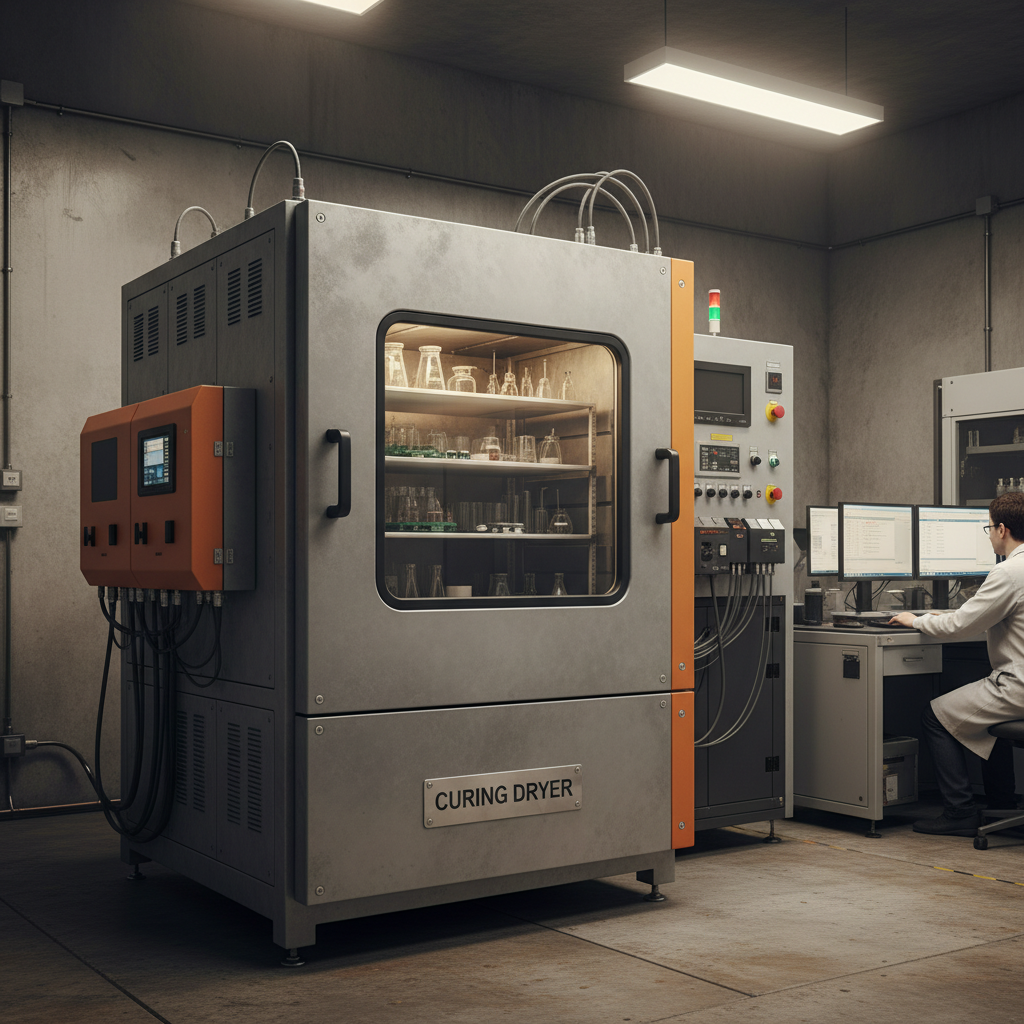
Curing dryers come in various forms, each suited to specific applications and material types. The most common types include convection dryers, infrared dryers, UV dryers, and hot air dryers. Convection dryers utilize heated air to circulate around the material, providing uniform heating. Infrared dryers employ infrared radiation for rapid, focused heating, ideal for coatings and adhesives. UV dryers leverage ultraviolet light to initiate curing, commonly used in printing and finishing. Hot air dryers are simpler and less expensive, suitable for basic drying and curing needs. The choice depends on factors like material properties, curing time requirements, and budget considerations.
Key Takeaway: Selecting the right curing dryer type is crucial for achieving optimal curing results. Consider the material’s properties, desired curing speed, and overall process requirements.
Applications of Curing Dryers
The application range for curing dryers is incredibly diverse. In the coatings industry, they’re used to cure paints, varnishes, and powder coatings. Adhesive manufacturers rely on them for bonding applications in packaging, automotive, and construction. 3D printing utilizes curing dryers to finalize parts made from photopolymer resins. The composites industry employs them to cure resins in fiberglass and carbon fiber materials. Furthermore, they are vital in the electronics industry for curing conformal coatings and encapsulants. The versatility of these machines makes them indispensable across various manufacturing processes.
Key Application Areas:
• Coatings and Paints
• Adhesives and Sealants
• 3D Printing (Resin Curing)
• Composites Manufacturing
• Electronics Encapsulation
Choosing the Right Curing Dryer: Key Considerations
Selecting the optimal curing dryer involves careful consideration of several factors. First, determine the material you’ll be curing and its specific temperature and time requirements. Next, assess the production volume and required throughput. The size of the curing chamber should accommodate the dimensions of your parts. Precision temperature control is vital for consistent results, so look for dryers with advanced temperature controllers. Energy efficiency is another important factor, especially for high-volume production. Finally, consider the level of automation needed for your process. Investing in a high-quality, appropriately sized curing dryer will significantly enhance your production efficiency and product quality.
Advancements in Curing Dryer Technology
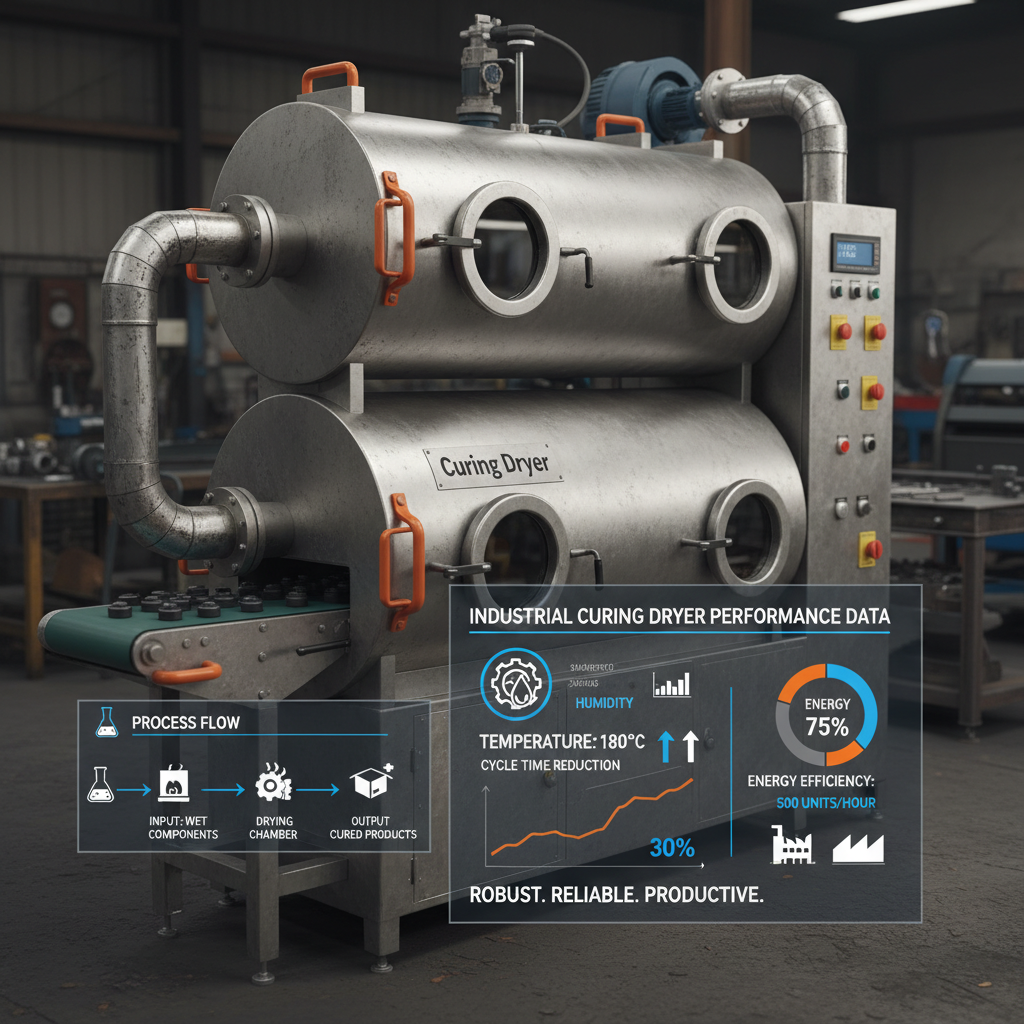
Recent advancements have significantly improved the capabilities of curing dryers. Programmable logic controllers (PLCs) allow for precise control and automation of the curing process. Integrated data logging and monitoring systems provide valuable insights into curing performance. Energy-efficient heating technologies, such as infrared and induction heating, are reducing energy consumption and operating costs. Furthermore, advancements in chamber design and airflow management are ensuring more uniform heating and faster curing times. These innovations are leading to improved product quality, increased efficiency, and reduced environmental impact. Explore the latest technologies offered by companies like CZ Lab Instrument to stay ahead of the curve.
Maintaining and Troubleshooting Your Curing Dryer
Regular maintenance is crucial for ensuring the longevity and optimal performance of your curing dryer. This includes cleaning the chamber, inspecting heating elements, and calibrating temperature sensors. Common troubleshooting issues include temperature fluctuations, uneven heating, and fan malfunctions. Always consult the manufacturer’s manual for specific maintenance procedures and troubleshooting guidelines. Addressing minor issues promptly can prevent costly downtime and maintain consistent product quality. Investing in preventative maintenance programs can further extend the life of your equipment and minimize disruptions to your production process.
Conclusion: Investing in the Right Curing Solution
Choosing the right curing dryer is a critical investment for any manufacturing process. By carefully considering your material requirements, production volume, and budget, you can select a dryer that delivers optimal performance, efficiency, and product quality. Regular maintenance and adherence to manufacturer guidelines will ensure long-term reliability and minimize downtime. Don’t compromise on quality – choose a solution that meets your specific needs and supports your business goals.
Frequently Asked Questions (FAQs)
What is the difference between convection and infrared curing?
Convection curing utilizes heated air to transfer heat to the material, providing uniform heating but generally slower curing times. Infrared curing, on the other hand, uses infrared radiation for direct, focused heating, resulting in faster curing times, especially for surface coatings. Infrared is ideal for materials that absorb infrared energy well, while convection is better suited for more complex shapes or materials that require even heating throughout. The choice depends on the material, desired curing speed, and the specific application.
How important is temperature control in curing?
Temperature control is absolutely critical in curing. Incorrect temperatures can lead to incomplete curing, resulting in compromised material properties, such as reduced strength, flexibility, or adhesion. Overheating can cause degradation or discoloration. Precise temperature control ensures the chemical reactions occur at the optimal rate, leading to consistent, high-quality results. Modern curing dryers often feature sophisticated temperature controllers and feedback systems to maintain accurate temperatures throughout the curing process.
What safety precautions should I take when operating a curing dryer?
Safety is paramount when operating a curing dryer. Always wear appropriate personal protective equipment (PPE), such as heat-resistant gloves and eye protection. Ensure adequate ventilation to prevent the buildup of fumes or vapors. Follow the manufacturer’s instructions for safe operation and maintenance. Never leave a curing dryer unattended while in operation. Regularly inspect the equipment for any signs of damage or malfunction. And, be aware of the flammability of the materials being cured.
Can curing dryers be used for more than one type of material?
While some curing dryers can handle multiple materials, it's not always recommended. Different materials require different temperature profiles and curing times. Using a dryer optimized for one material on another can lead to suboptimal results or even damage to the material or the equipment. It's best to choose a dryer specifically designed for the materials you'll be curing or to have adjustable settings that allow for precise control over the curing process. Consider consulting with a drying specialist to determine the best approach for your specific needs.


