
Comprehensive Guide to Electric Heating Drying Oven Selection and Applications
Electric Heating Drying Oven: A Comprehensive Guide
The electric heating drying oven is a crucial piece of equipment across a diverse range of industries, from pharmaceutical manufacturing to food processing and materials research. These ovens provide a controlled temperature environment for removing moisture and volatile substances from various materials. Understanding the different types, features, and applications of these ovens is essential for selecting the right model for your specific needs. This article delves into the intricacies of electric heating drying ovens, offering insights for both newcomers and experienced professionals.
Understanding the Core Principles of Electric Heating Drying Ovens
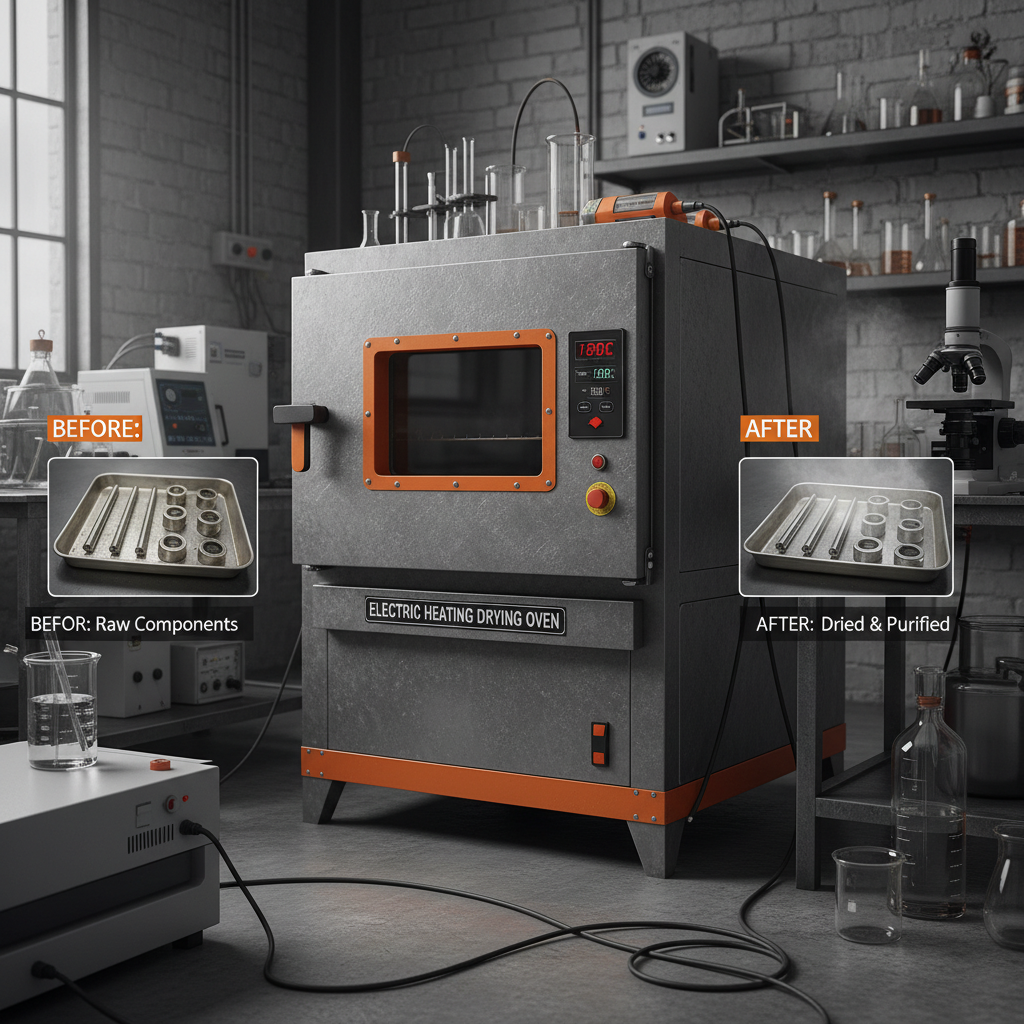
At their core, electric heating drying ovens operate on the principle of heat transfer. Electric resistance heating elements convert electrical energy into thermal energy, which is then circulated within the oven chamber. This heated air evaporates the moisture or volatile compounds from the materials placed inside. Effective drying relies on precise temperature control, consistent air circulation, and adequate ventilation to remove the evaporated substances. Different materials require different drying parameters – temperature, time, and air velocity – which is why modern ovens offer a high degree of programmability and customization. Furthermore, the chamber material and design play a critical role in heat distribution and overall efficiency. The drying ovens provided by CZ Lab Instrument prioritize these key elements for optimal performance.
Key Benefits: Consistent temperature control, precise humidity removal, and improved product quality are just a few of the advantages offered by properly utilized electric heating drying ovens.
Types of Electric Heating Drying Ovens
The market offers a wide array of electric heating drying ovens, each tailored to specific applications. Common types include:
- Benchtop Ovens: Compact and ideal for laboratory and small-scale applications.
- Floor Standing Ovens: Larger capacity for industrial and production settings.
- Vacuum Ovens: Reduce the boiling point of liquids, enabling drying of heat-sensitive materials.
- Forced Air Ovens: Utilize a fan to circulate air, ensuring uniform temperature distribution and faster drying times.
- GMP Compliant Ovens: Designed for pharmaceutical and food industries, meeting stringent regulatory standards.
The selection of the appropriate oven type hinges on factors such as sample volume, material properties, and required level of control.
Electric Heating Drying Oven Applications Across Industries
These ovens are integral to processes across a multitude of industries. In the pharmaceutical sector, they are used for drying APIs (Active Pharmaceutical Ingredients), excipients, and finished drug products. The food industry leverages them for drying fruits, vegetables, herbs, and spices. Materials science relies on these ovens for drying powders, coatings, and polymers. Furthermore, they find application in electronics for drying printed circuit boards and other components, and in environmental testing for analyzing soil and water samples. The versatility of electric heating drying ovens makes them indispensable tools for modern scientific and industrial operations.
Common Industries Utilizing Electric Heating Drying Ovens:
• Pharmaceutical
• Food Processing
• Materials Science
• Electronics
• Environmental Testing
Comparing Features: A Detailed Look
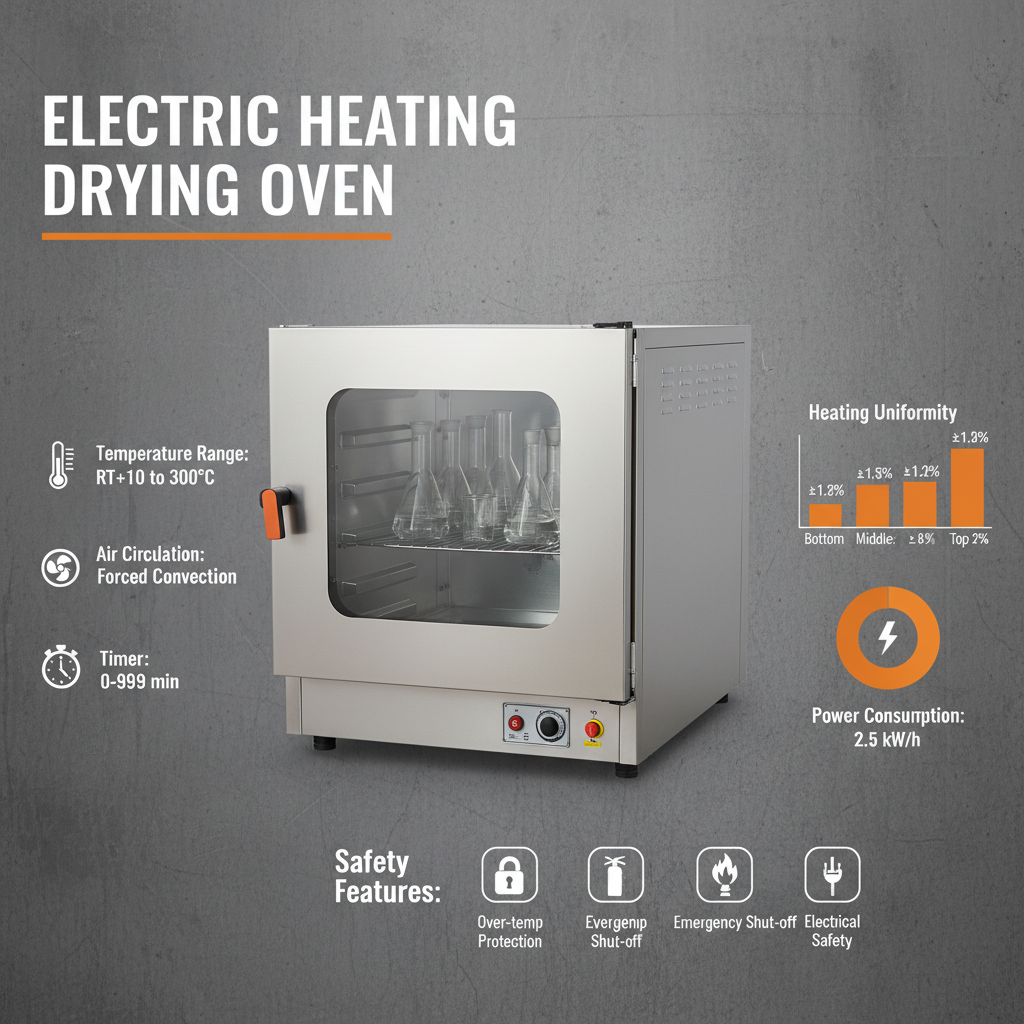
Selecting the right oven involves carefully comparing key features. Consider temperature range, temperature accuracy, air circulation system, control system (digital vs. analog), chamber material (stainless steel is preferred for hygiene and corrosion resistance), and safety features (over-temperature protection, door interlocks). Advanced models offer programmable profiles, data logging capabilities, and remote monitoring. Here’s a comparison table to help you evaluate different options:
Safety Considerations and Maintenance
Safety is paramount when operating electric heating drying ovens. Always ensure proper ventilation to prevent the buildup of potentially harmful fumes. Utilize appropriate personal protective equipment (PPE), such as gloves and safety glasses. Regularly inspect the oven for any signs of damage or malfunction. Proper maintenance, including cleaning the chamber and verifying the functionality of safety features, extends the oven’s lifespan and ensures consistent performance. Refer to the manufacturer’s manual for detailed safety guidelines and maintenance procedures.
Conclusion: Choosing the Right Electric Heating Drying Oven
Selecting the ideal electric heating drying oven is a critical decision that impacts productivity, product quality, and safety. By carefully considering your specific application requirements, evaluating key features, and prioritizing safety, you can choose an oven that delivers reliable performance and long-term value. CZ Lab Instrument offers a comprehensive range of ovens designed to meet the diverse needs of modern laboratories and industrial facilities.
Frequently Asked Questions (FAQs)
What temperature range should I look for in a drying oven?
The ideal temperature range depends entirely on the materials you intend to dry. For heat-sensitive materials like pharmaceuticals or biological samples, a lower temperature range (e.g., ambient +10°C to 80°C) is essential. For more robust materials, such as metals or ceramics, higher temperatures (up to 300°C or even higher) may be required. Ensure the oven you choose can accurately maintain the desired temperature within a narrow range to prevent degradation or damage to your samples. Carefully consider the boiling point of the solvent or volatile substance you are attempting to remove.
What is the importance of air circulation in a drying oven?
Air circulation is critical for ensuring uniform drying and preventing localized overheating. Ovens with forced air circulation distribute heat more evenly throughout the chamber, leading to faster and more consistent drying times. This is particularly important when drying large batches of materials or materials that are sensitive to temperature gradients. Natural convection ovens rely on passive air movement, which can result in uneven drying and prolonged processing times. Proper air circulation also helps to remove evaporated moisture or volatile compounds from the chamber more efficiently.
How do I ensure the drying oven is safe to operate?
Safety should be a top priority when operating a drying oven. Always ensure proper ventilation to prevent the buildup of potentially harmful fumes. Use appropriate personal protective equipment (PPE), such as gloves and safety glasses. Regularly inspect the oven for any signs of damage or malfunction. Do not overload the oven chamber, as this can impede air circulation and increase drying times. Never leave the oven unattended while in operation. Familiarize yourself with the oven's safety features, such as over-temperature protection and door interlocks. Refer to the manufacturer’s manual for detailed safety guidelines.
What are the benefits of using a vacuum drying oven?
Vacuum drying ovens lower the boiling point of liquids, allowing for the gentle drying of heat-sensitive materials that might degrade at higher temperatures. This is particularly beneficial for pharmaceuticals, chemicals, and biological samples. By reducing the pressure within the chamber, the oven facilitates faster evaporation and more efficient drying. Vacuum drying also minimizes oxidation, preserving the integrity of the sample. However, vacuum ovens are generally more expensive and require more complex operation than conventional drying ovens.


