
Comprehensive Guide to High Temperature Drying Oven Applications and Selection
High Temperature Drying Oven: A Comprehensive Guide
The high temperature drying oven is a crucial piece of equipment for a diverse range of scientific and industrial applications. From materials research to quality control, these ovens provide a controlled environment for removing moisture and other volatile substances from samples at elevated temperatures. This article will explore the principles of operation, key features, applications, and considerations when selecting a high temperature drying oven, offering a complete overview for researchers, technicians, and purchasing professionals. Selecting the right drying oven is vital for obtaining accurate and repeatable results in various processes.
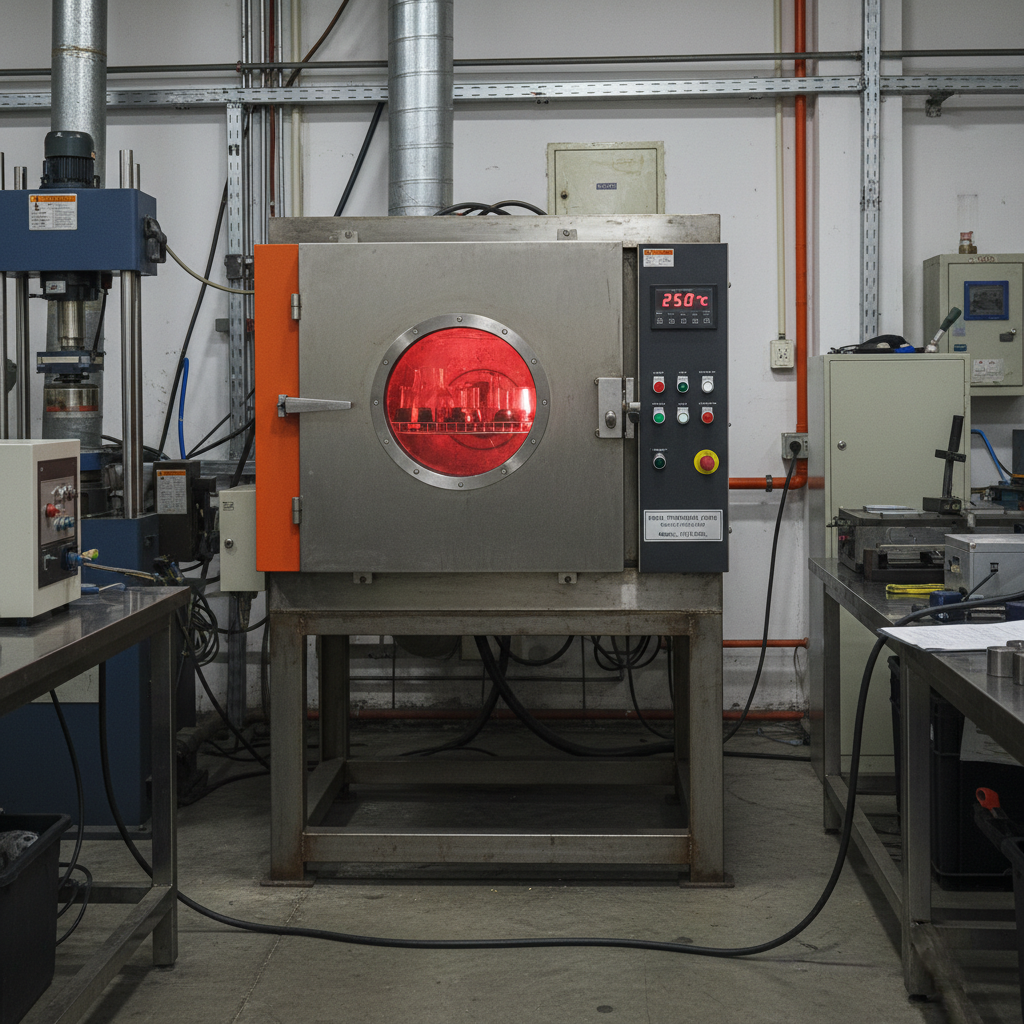
Understanding the Principles of High Temperature Drying
At its core, a high temperature drying oven utilizes heat to accelerate the evaporation of liquids from a sample. The process relies on convection – the transfer of heat through the movement of air. Most ovens employ a heating element (often resistance-based) and a fan to circulate heated air uniformly throughout the chamber. Precise temperature control is essential, and modern ovens are equipped with sophisticated controllers and sensors to maintain consistent temperatures, often within ±0.1°C. The environment within a high temperature drying oven is carefully regulated to ensure efficient and safe drying of various materials, protecting both the samples and the equipment.
Key Principles: Precise temperature control, uniform air circulation, and appropriate ventilation are fundamental to effective high-temperature drying.
Applications of High Temperature Drying Ovens
The versatility of high temperature drying ovens makes them indispensable across numerous industries. In materials science, they're used to prepare samples for analysis, remove solvents, and study thermal properties. Pharmaceutical companies utilize them for drying drug formulations and ensuring product stability. The food industry relies on these ovens for moisture analysis and quality control. Other common applications include drying electronic components, preparing samples for microscopy, and accelerating chemical reactions. The ability to control temperature and atmosphere makes these ovens essential for a wide spectrum of scientific and industrial processes.
Common Applications:
• Materials Science: Sample preparation, thermal analysis.
• Pharmaceuticals: Drying formulations, stability testing.
• Food Industry: Moisture analysis, quality control.
• Electronics: Drying components, preventing corrosion.
High Temperature Drying Oven: Key Features & Considerations
When choosing a high temperature drying oven, several features are critical. Temperature range is paramount, depending on your application; models can reach up to 1200°C or higher. Chamber volume is another key factor – select a size that comfortably accommodates your largest samples. Precise temperature control and uniformity are crucial for repeatable results. Consider features like programmable temperature profiles, digital displays, and data logging capabilities. Safety features, such as over-temperature protection and door interlocks, are essential. Furthermore, the type of ventilation system – natural convection or forced convection – can impact drying efficiency.
Comparing Convection Types: Natural vs. Forced Air
The method of air circulation significantly impacts drying efficiency. Natural convection ovens rely on the natural movement of heated air, resulting in slower, more uniform drying. These are often more economical but may require longer drying times. Forced convection ovens, equipped with a fan, actively circulate heated air, leading to faster and more consistent drying. While more efficient, forced convection may introduce some temperature gradients within the chamber. The choice between the two depends on the sensitivity of the samples and the desired drying speed.
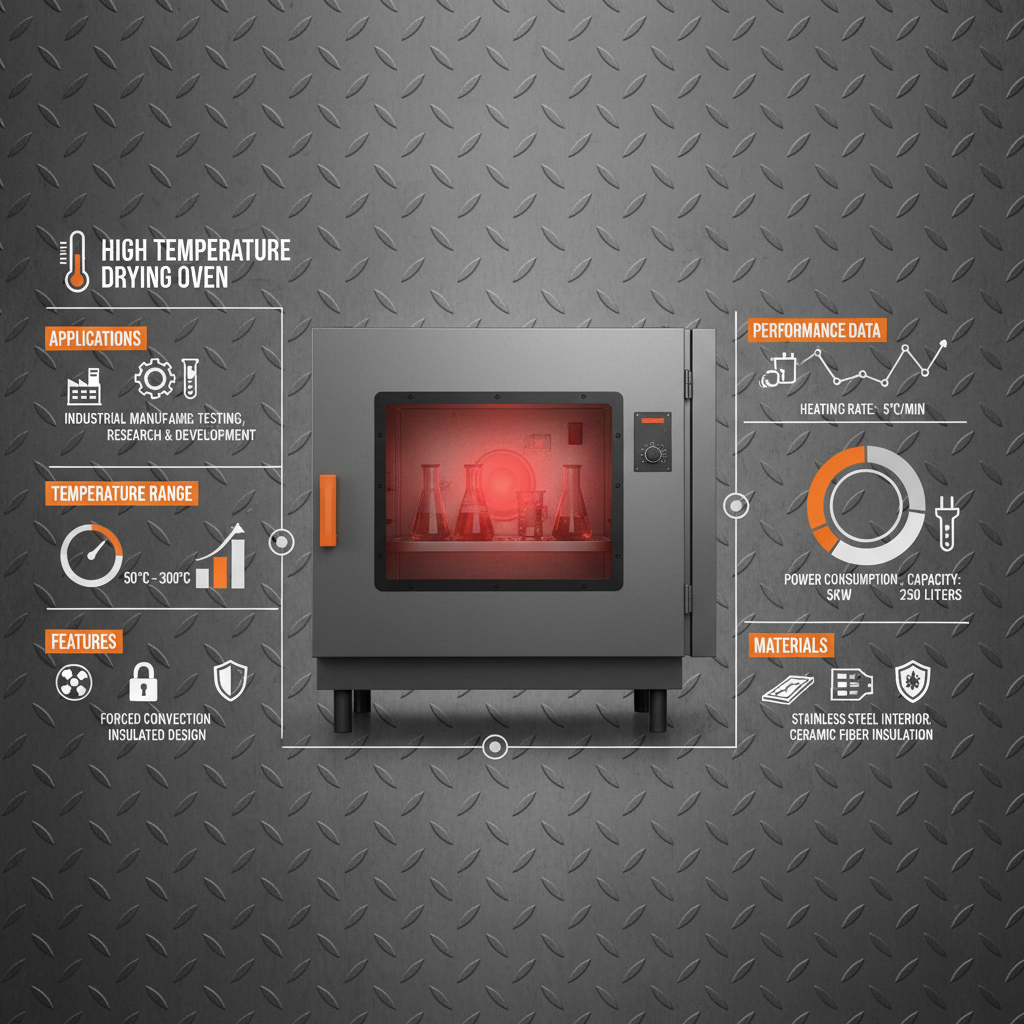
CZLab Instrument: High-Quality High Temperature Drying Ovens
At CZLab Instrument, we offer a comprehensive range of high temperature drying ovens designed to meet diverse research and industrial needs. Our ovens feature precise temperature control, uniform air circulation, and robust safety features. We provide customized solutions, including various chamber sizes, temperature ranges, and programmable control options. Contact us today to discuss your specific requirements and find the perfect high temperature drying oven for your application.
Conclusion: Choosing the Right Drying Oven for Optimal Results
Selecting the right high temperature drying oven is crucial for achieving accurate, reliable, and safe results in your research or industrial processes. Factors like temperature range, chamber volume, convection type, and safety features all play a vital role. CZLab Instrument provides high-quality ovens engineered to meet your specific needs.
Frequently Asked Questions (FAQs)
What safety features should I look for in a high temperature drying oven?
Essential safety features include over-temperature protection, which automatically shuts off the heating element if the set temperature is exceeded. Door interlocks prevent operation when the door is open, minimizing heat loss and potential exposure. Some ovens also include alarms that alert users to temperature deviations or other issues. Look for models with robust construction and materials designed to withstand high temperatures and prevent leaks or hazards. Proper ventilation is also key to dissipate any potentially harmful fumes released during drying.
How do I ensure uniform drying in a high temperature drying oven?
Uniform drying requires efficient air circulation. Forced convection ovens with a fan are generally better at ensuring consistent temperature distribution throughout the chamber. Avoid overcrowding the oven, as this can restrict airflow. Properly arrange samples to allow for adequate spacing. Ensure the oven is calibrated regularly to maintain accurate temperature readings. Consider using a rotating platform or periodically rearranging samples to promote even drying.
What materials can be dried in a high temperature drying oven?
A wide range of materials can be dried, including powders, granules, liquids, and solid samples. However, it's crucial to consider the material's thermal stability and potential for releasing hazardous fumes. Avoid drying flammable or explosive materials in a standard drying oven. Always consult the material's safety data sheet (SDS) before drying and ensure adequate ventilation.
What is the typical temperature range of a high-temperature drying oven?
Typical high-temperature drying ovens can range from ambient temperature up to 300°C. However, specialized models can reach significantly higher temperatures, even exceeding 1200°C, for applications like ceramic processing or materials research requiring extreme heat. The optimal temperature range depends entirely on the material being dried and its thermal properties.


