
Comprehensive Guide to Laboratory Oven Furnace Selection and Applications
Laboratory Oven Furnace: A Comprehensive Guide
Selecting the right laboratory oven furnace is crucial for achieving accurate and reliable results in a wide range of scientific and industrial applications. These furnaces are vital for processes such as drying, heating, tempering, and annealing. This article provides a detailed overview of laboratory oven furnaces, covering their types, applications, key features, and factors to consider when making a purchase. Whether you're a researcher, quality control professional, or industrial engineer, understanding these furnaces is essential for optimizing your workflow.
Understanding the Different Types of Laboratory Oven Furnaces
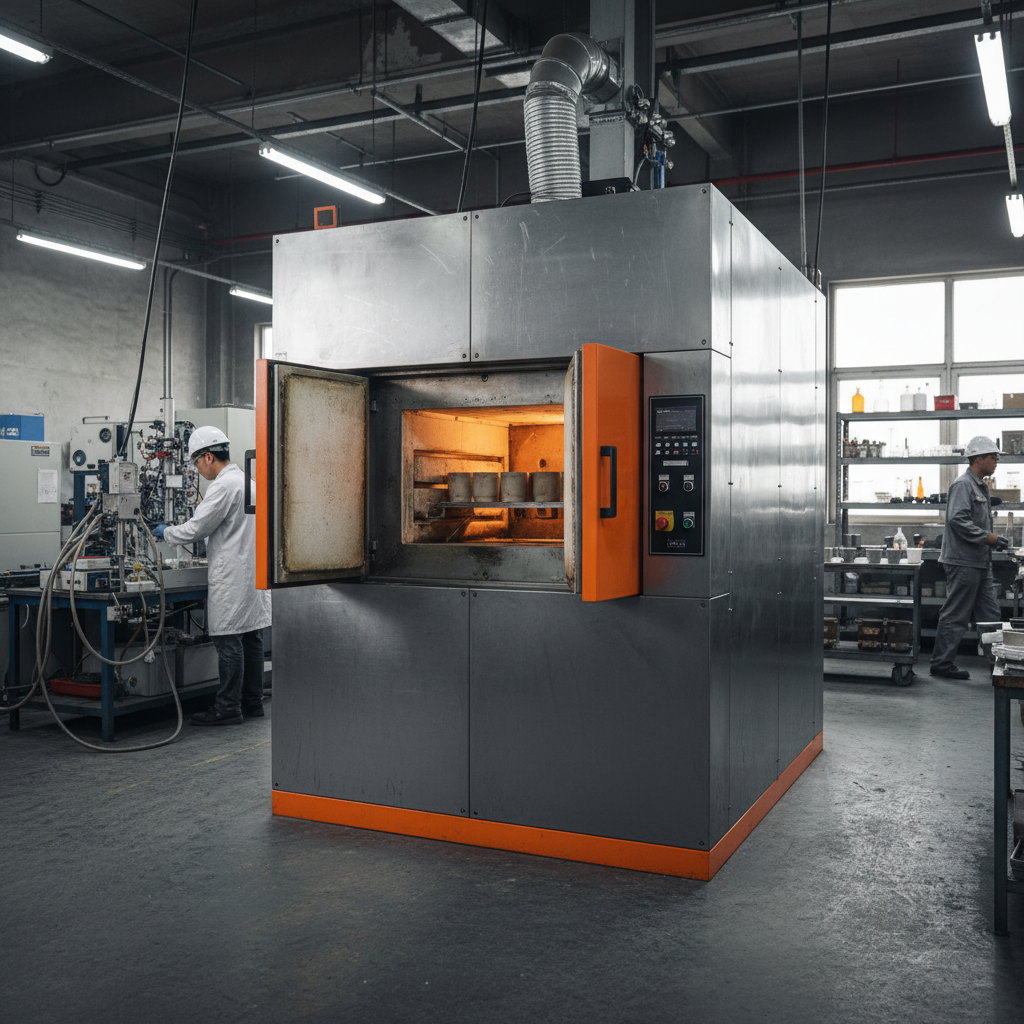
Laboratory oven furnaces come in various designs, each suited for specific applications and temperature requirements. Standard convection ovens utilize natural air circulation for heating, making them ideal for general drying and heating processes. Forced convection ovens employ a fan to circulate air, resulting in more uniform temperature distribution and faster heating times. Muffle furnaces, equipped with an insulating chamber, are designed for high-temperature applications and protect samples from contamination. Vacuum ovens remove air from the chamber to accelerate drying processes and prevent oxidation. Choosing the right type depends on your specific needs and the materials you're working with. CZLabInstrument offers a diverse selection of these types to meet various laboratory demands.
Key Takeaway: Selecting the appropriate furnace type is critical for optimizing experimental results and ensuring process efficiency.
Key Applications of Laboratory Oven Furnaces
Laboratory oven furnaces find applications across a diverse range of industries and disciplines. In pharmaceutical research, they are used for drying and sterilizing materials. In materials science, they're essential for annealing, tempering, and heat treatment processes. Chemical laboratories utilize them for drying precipitates, evaporating solvents, and performing calcination. Environmental testing labs employ them for sample preparation and moisture analysis. Quality control departments in manufacturing industries rely on them for verifying material properties and ensuring product consistency. These versatile instruments are integral to countless scientific and industrial processes.
Common Applications:
• Drying of samples and materials
• Heat treatment processes (annealing, tempering)
• Sterilization and disinfection
• Chemical reactions and calcination
Laboratory Oven Furnace Specifications & Comparison
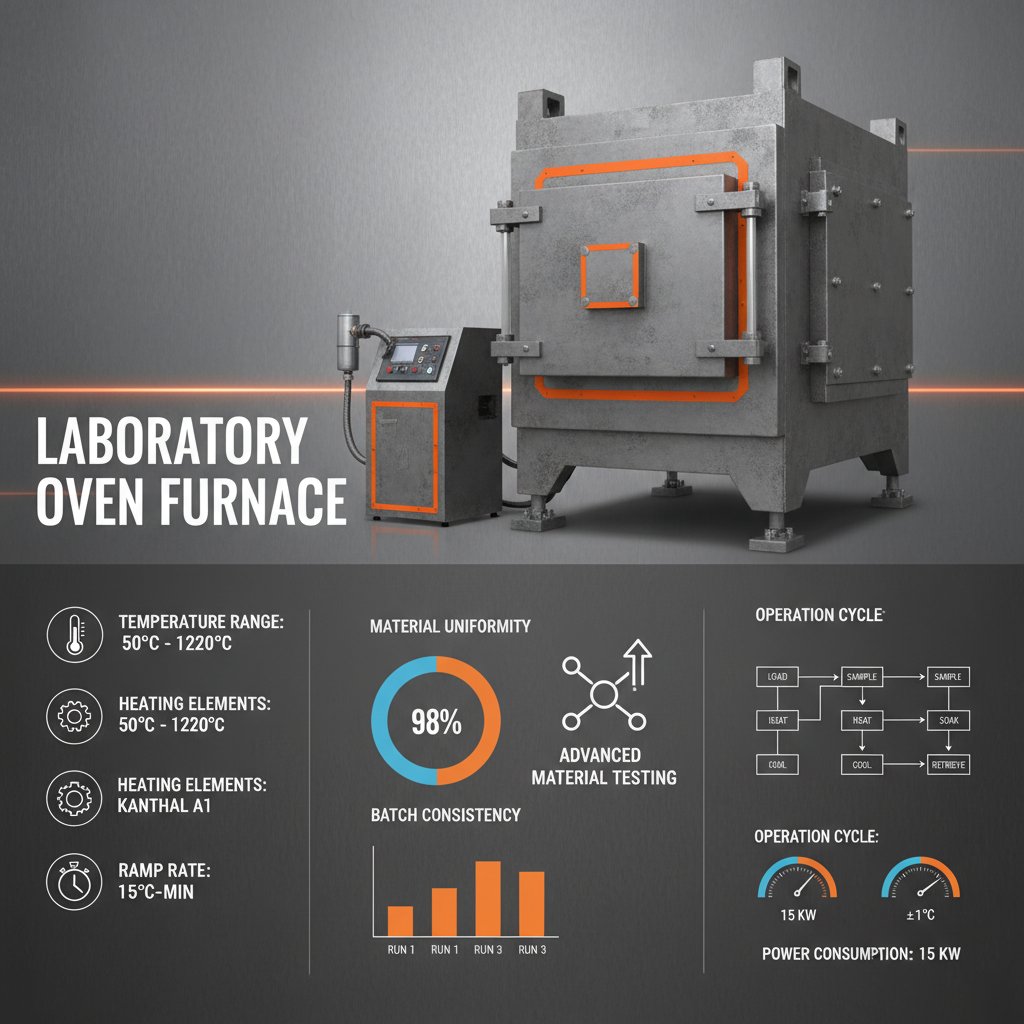
When selecting a laboratory oven furnace, it's important to consider various technical specifications. Maximum temperature, temperature uniformity, chamber volume, heating rate, and control system accuracy are all crucial parameters. Here's a comparison of common furnace types and their typical specifications:
Factors to Consider When Purchasing a Laboratory Oven Furnace
Before investing in a laboratory oven furnace, carefully evaluate your specific needs. Consider the maximum temperature required for your applications, the necessary temperature uniformity, and the size of the chamber needed to accommodate your samples. The control system is also a critical factor—look for models with precise temperature control and programmable settings. Safety features, such as over-temperature protection and door interlocks, are essential. Finally, consider the manufacturer's reputation for quality and reliability. CZLabInstrument provides comprehensive product support and reliable performance.
Safety Considerations for Operating Laboratory Oven Furnaces
Operating a laboratory oven furnace requires adherence to safety protocols. Always wear appropriate personal protective equipment (PPE), including heat-resistant gloves and eye protection. Ensure the furnace is placed in a well-ventilated area to prevent the buildup of fumes. Never leave a furnace unattended while it's operating. Regularly inspect the furnace for any signs of damage or malfunction. Follow the manufacturer's instructions for safe operation and maintenance. A proactive approach to safety is essential for preventing accidents and ensuring a safe laboratory environment.
Conclusion: Choosing the Right Laboratory Oven Furnace
Selecting the ideal laboratory oven furnace requires careful consideration of your specific application needs, technical specifications, and safety requirements. Investing in a high-quality furnace from a reputable manufacturer like CZLabInstrument ensures reliable performance, accurate results, and a safe working environment. Don’t compromise on quality – choose a furnace that will meet your needs for years to come.
Frequently Asked Questions (FAQs)
What is the typical temperature range for a standard laboratory oven furnace?
Standard convection oven furnaces typically offer a temperature range from ambient temperature up to around 250-300°C. However, specialized furnaces, such as muffle furnaces, can reach temperatures of 1200°C or higher. The appropriate temperature range depends on the specific application. It's crucial to select a furnace that can consistently maintain the desired temperature with accuracy and uniformity. Consider the temperature requirements of your materials and processes when making your selection. Factors like heating rate and temperature stability also play a significant role in achieving optimal results.
How do I ensure uniform temperature distribution within the furnace chamber?
Uniform temperature distribution is critical for consistent results. Forced convection ovens, which utilize a fan to circulate air, generally offer better temperature uniformity compared to standard convection ovens. Proper sample placement within the chamber is also important—avoid overcrowding and ensure adequate spacing between samples. Regular calibration of the temperature sensors and control system can help maintain accuracy and uniformity. Additionally, some furnaces feature multiple heating elements and sophisticated control algorithms to optimize temperature distribution.
What safety features should I look for in a laboratory oven furnace?
Essential safety features include over-temperature protection, which automatically shuts off the furnace if the temperature exceeds a preset limit. Door interlocks prevent the furnace from operating when the door is open, minimizing exposure to high temperatures. A robust thermal insulation system reduces heat loss and protects surrounding surfaces. Consider models with audible alarms to alert users of potential issues. Regularly inspect the furnace for any signs of damage or malfunction. Following the manufacturer's safety guidelines is also crucial.
How often should I calibrate my laboratory oven furnace?
Regular calibration is vital for maintaining accurate temperature control. The frequency of calibration depends on the furnace's usage and the critical nature of your applications. As a general guideline, annual calibration is recommended for most laboratory oven furnaces. However, if the furnace is used frequently or for highly sensitive applications, more frequent calibration may be necessary. Keep detailed records of all calibration activities.


