
Comprehensive Guide to Medcal Clean Bench Selection and Applications
Medcal Clean Bench: Ensuring a Sterile Working Environment
Maintaining a pristine and controlled environment is paramount in various scientific and industrial applications. A Medcal Clean Bench provides the essential barrier against contaminants, protecting both your work and personnel. This article delves into the benefits, applications, types, and key considerations when selecting a clean bench, ultimately helping you make the right choice for your specific needs. A properly selected and maintained clean bench is a critical investment for any facility requiring controlled contamination levels.
Understanding the Importance of a Medcal Clean Bench
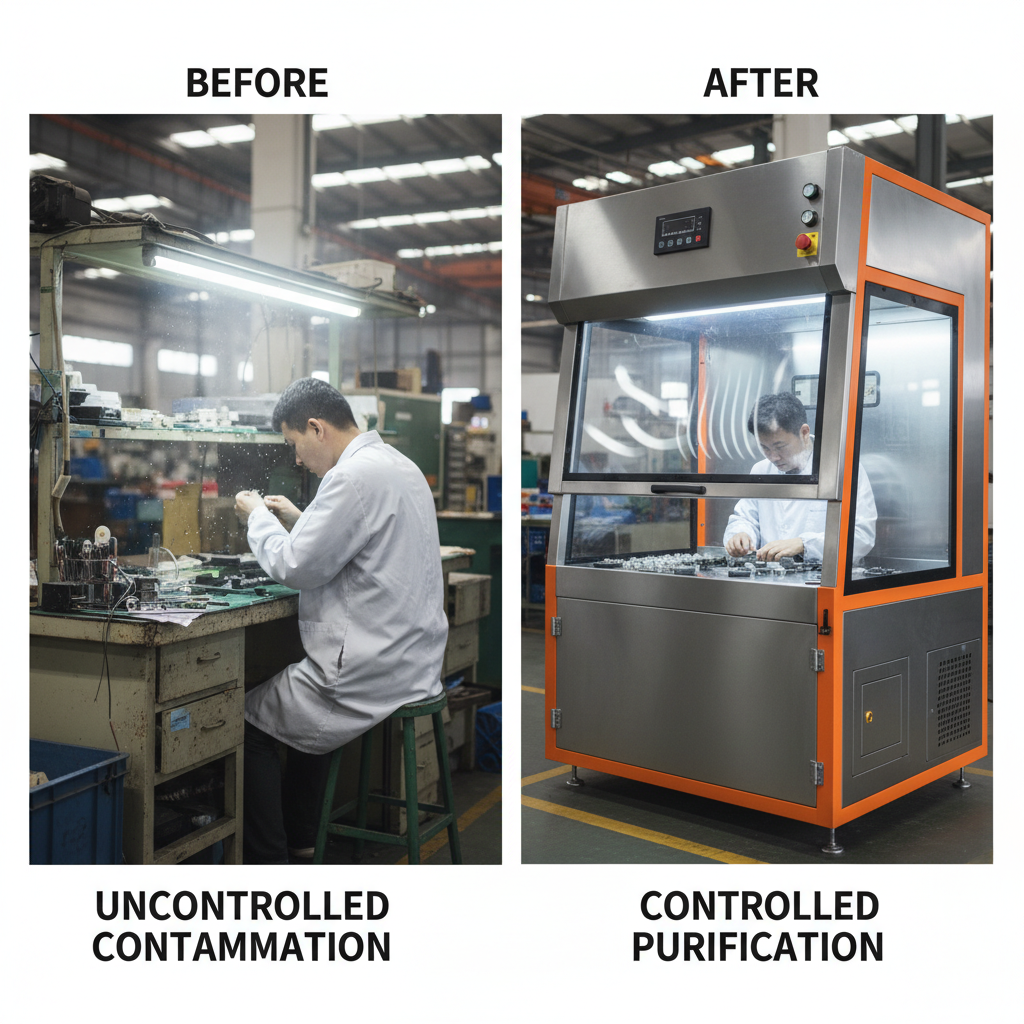
Clean benches, also known as laminar flow hoods, are enclosed workstations that create a particle-free working environment. They achieve this by drawing air through a HEPA filter, which removes 99.97% of particles 0.3 microns in size or larger. This filtered air then flows in a unidirectional (laminar) stream across the work surface, preventing contaminants from entering the critical area. The effectiveness of a Medcal Clean Bench is vital for applications demanding high levels of sterility, such as pharmaceutical research, microbiology, and electronics manufacturing.
Key Benefits: Protects samples from contamination, enhances experimental accuracy, safeguards personnel, and improves product quality.
Types of Medcal Clean Benches: Horizontal vs. Vertical
There are two primary types of clean benches: horizontal and vertical. Horizontal flow clean benches draw air across the work surface horizontally, while vertical flow benches draw air down from the top. The choice between the two depends on the specific application. Horizontal flow benches are suitable for applications where cross-contamination isn't a major concern, while vertical flow benches offer superior protection against airborne contaminants and are ideal for working with hazardous materials. Understanding the difference is crucial for selecting the Medcal Clean Bench that best suits your needs.
Horizontal vs. Vertical Flow:
• Horizontal Flow: Air flows across the work surface.
• Vertical Flow: Air flows down from the top.
• Horizontal Flow: Less protection against hazardous materials.
• Vertical Flow: Superior protection for hazardous materials & critical applications.
Key Features to Consider When Selecting a Medcal Clean Bench
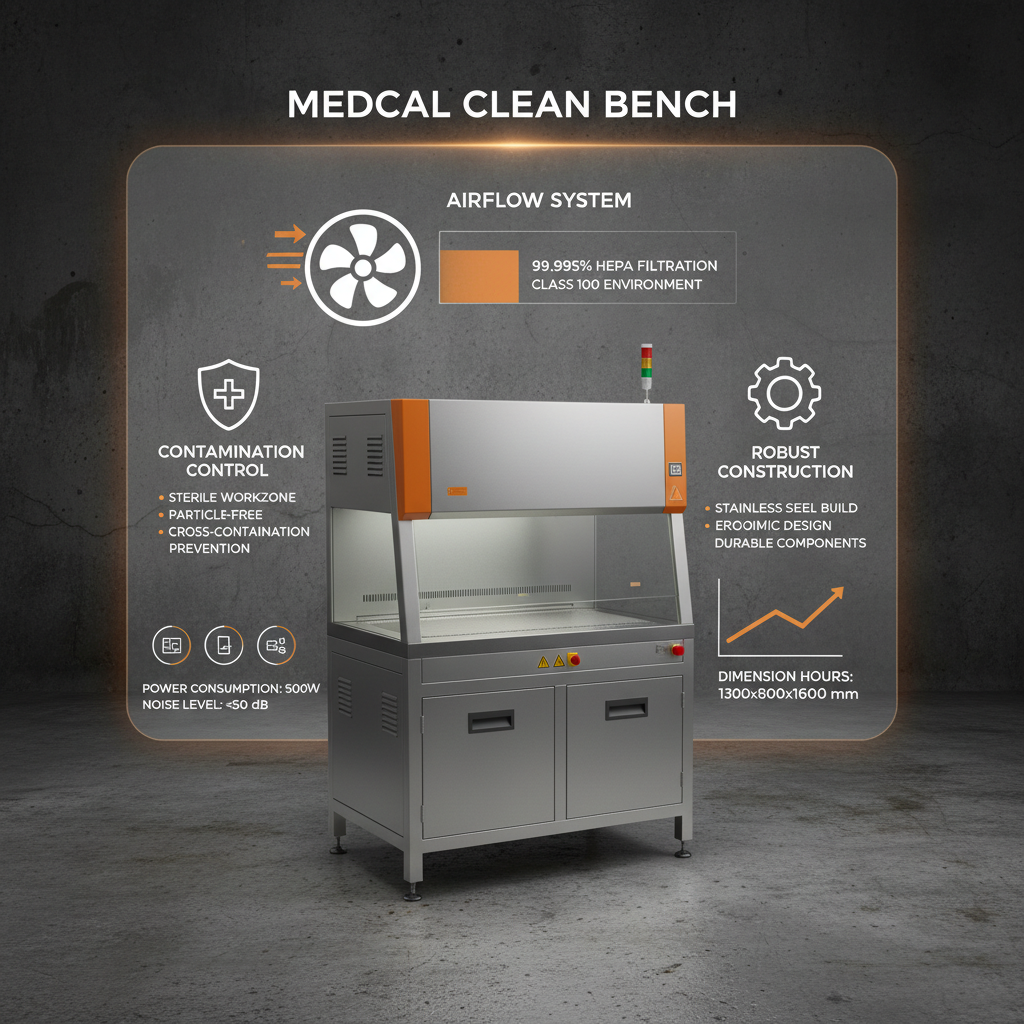
Several features contribute to the performance and suitability of a clean bench. Consider the size of the work area required, the airflow rate, the type of HEPA filter used, and the materials of construction. Stainless steel interiors are preferred for ease of cleaning and resistance to corrosion. Additional features, such as UV lights for sterilization and ergonomic designs for operator comfort, can also be important. When selecting a Medcal Clean Bench, prioritize features that address your specific application requirements and ensure long-term reliability.
Applications of Medcal Clean Benches Across Industries
Clean benches are essential in a wide range of industries. In pharmaceuticals, they protect sterile compounds during preparation. In microbiology, they provide a contaminant-free environment for culturing and analyzing microorganisms. The electronics industry utilizes them to prevent dust and particulate contamination during the assembly of sensitive components. Biotechnology labs, hospitals, and research institutions also rely on Medcal Clean Benches to ensure the integrity of their work.
Maintenance and Best Practices for Your Clean Bench
Regular maintenance is crucial for ensuring the continued performance of your clean bench. This includes routinely replacing the HEPA filter (typically every 6-12 months, or as indicated by filter monitoring systems), cleaning the work surface with appropriate disinfectants, and monitoring airflow rates. Proper maintenance not only extends the life of the equipment but also maintains the integrity of your sterile environment. Consult the manufacturer's guidelines for specific maintenance recommendations. CZ Lab Instrument offers comprehensive maintenance services and support to help you keep your clean bench operating at peak performance.
Conclusion: Investing in a Sterile Future
Investing in a Medcal Clean Bench is a critical step towards ensuring the quality, reliability, and safety of your work. By carefully considering your specific application requirements and selecting a bench with the appropriate features, you can create a sterile environment that protects your samples, personnel, and products. Don't compromise on cleanliness – choose a clean bench from a trusted provider like CZ Lab Instrument.
Frequently Asked Questions (FAQs)
How often should I replace the HEPA filter in my clean bench?
The HEPA filter should be replaced every 6-12 months, or more frequently depending on usage and environmental conditions. Regularly monitor filter pressure drops, as a significant increase indicates the filter is becoming clogged and needs replacement. Some clean benches have built-in filter monitoring systems that provide alerts. Replacing the HEPA filter is essential for maintaining the sterility of the work environment. CZ Lab Instrument offers HEPA filter replacement services and can advise on the appropriate filter replacement schedule for your specific application.
What cleaning agents are safe to use inside a clean bench?
Only use cleaning agents specifically designed for cleanroom applications. Avoid using harsh chemicals, solvents, or abrasive cleaners, as these can damage the HEPA filter or contaminate the work surface. Isopropyl alcohol (70% solution) is generally safe for disinfecting the work surface, but always consult the clean bench's manual for recommended cleaning procedures. Ensure the cleaning agent is thoroughly removed to prevent residue buildup.
Can I use a clean bench to work with hazardous materials?
Vertical flow clean benches are better suited for working with hazardous materials as they provide a greater level of containment. However, it's essential to ensure the clean bench is appropriately equipped with features such as a safety shield and exhaust system. Always follow proper safety protocols and consult with a qualified safety professional before working with hazardous materials. CZ Lab Instrument can provide guidance on selecting a clean bench that meets your specific safety requirements.
What are the benefits of choosing a stainless steel clean bench?
Stainless steel clean benches offer superior durability, corrosion resistance, and ease of cleaning. They are ideal for applications where frequent disinfection is required, such as pharmaceutical and biotechnology labs. Stainless steel surfaces are also less likely to harbor bacteria or other contaminants, contributing to a more sterile working environment. While more expensive than other materials, the longevity and hygienic properties of stainless steel make it a worthwhile investment.


