
Comprehensive Guide to the 150x150x150mm Concrete Cube Mould for Accurate Testing
Understanding the 150150150mm Concrete Cube Mould: A Comprehensive Guide
The 150150150mm Concrete Cube Mould is a vital tool for quality control in the construction and materials testing industries. Used to create standardized concrete cube specimens, these moulds are critical for compressive strength testing, ensuring the integrity and durability of concrete structures. This article provides an in-depth look at the features, applications, materials, and purchasing considerations for this essential laboratory equipment. Precise and reliable results in concrete testing depend on high-quality moulds, and we will explore how CZLAB Instrument provides dependable solutions.
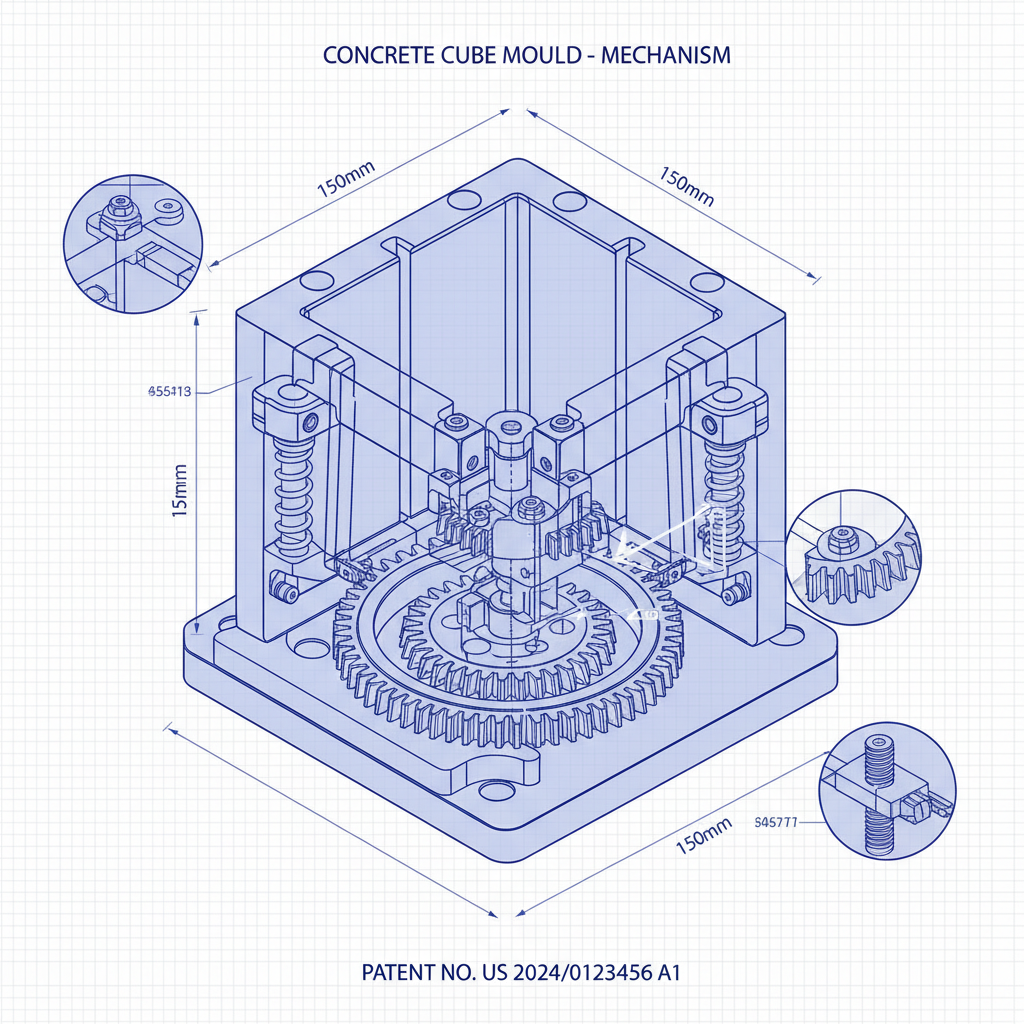
Key Features of a 150150150mm Concrete Cube Mould
A high-quality 150150150mm Concrete Cube Mould boasts several key features. Primarily, precise dimensions are paramount to ensure accurate test results. The mould should be made from robust materials, typically steel or plastic, capable of withstanding the stresses of concrete pouring and demolding. Surface finish is also important; a smooth, non-stick surface facilitates easy removal of the hardened concrete cube without damaging the specimen. Furthermore, durability is critical for long-term cost-effectiveness and consistent performance. Many moulds feature features such as handles for easy carrying and stacking.
Key Highlights: Precise dimensions, robust construction, smooth non-stick surface, and durable materials are crucial for reliable concrete cube creation.
Material Choices: Steel vs. Plastic Moulds
Concrete cube moulds are commonly manufactured from either steel or plastic. Steel moulds, typically constructed from carbon steel with a protective coating, offer exceptional strength and durability. They are well-suited for high-volume testing and long-term use. Plastic moulds, often made from polypropylene or ABS, are lightweight, corrosion-resistant, and generally more affordable. However, they may not withstand the same level of wear and tear as steel. The choice depends on the specific testing requirements and budget constraints.
Steel vs. Plastic:
• Steel: High strength, durability, suitable for high-volume testing.
• Plastic: Lightweight, corrosion-resistant, more affordable.
• Cost: Steel is generally more expensive than plastic.
• Longevity: Steel moulds typically last longer than plastic moulds.
150150150mm Concrete Cube Mould: Applications & Testing Standards
The 150150150mm cube is a standardized size frequently used in compressive strength testing of concrete, as defined by standards such as ASTM C192 and EN 12390-3. These tests are crucial for assessing the load-bearing capacity of concrete used in buildings, bridges, and other infrastructure projects. The moulds are utilized in construction material testing laboratories, civil engineering research facilities, and on-site quality control inspections. Accurate cube dimensions are essential to meet these standards and ensure the reliability of test results.
Choosing the Right 150150150mm Concrete Cube Mould from CZLAB Instrument
When selecting a 150150150mm Concrete Cube Mould from CZLAB Instrument, consider your testing volume, budget, and desired durability. We offer both steel and plastic options, each manufactured to precise specifications and conforming to relevant industry standards. Look for features like reinforced construction, smooth inner surfaces, and easy-to-handle designs. We also provide comprehensive support and quality assurance to ensure your satisfaction. Selecting the right mould will contribute to accurate, reliable, and repeatable test results.
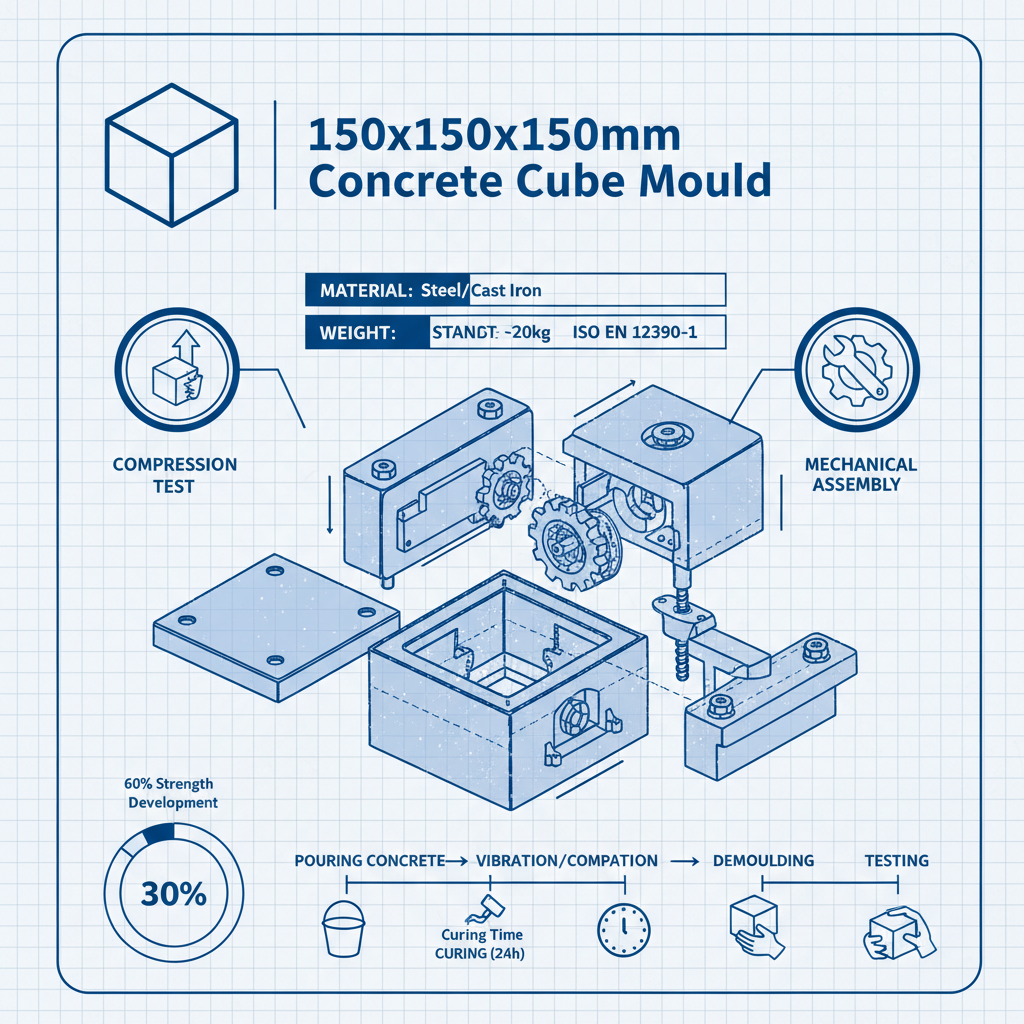
Product Specifications: CZLAB 150150150mm Concrete Cube Mould
Here's a detailed look at the specifications for our 150150150mm Concrete Cube Mould:
Conclusion: Investing in Quality Concrete Cube Moulds
The 150150150mm Concrete Cube Mould from CZLAB Instrument is a critical investment for any concrete testing laboratory. By choosing a high-quality mould, you ensure accurate and reliable test results, contributing to the safety and durability of construction projects. Explore our range of options and discover the perfect mould to meet your specific needs.
Frequently Asked Questions (FAQs)
How do I properly prepare a 150150150mm concrete cube mould for casting?
Before casting, it is crucial to thoroughly clean the mould and lightly oil the internal surfaces with a release agent. This prevents the concrete from sticking and ensures easy demolding. Ensure the mould is securely assembled and placed on a level, stable surface. Inspect the mould for any damage or debris that could compromise the cube’s integrity. Properly preparing the mould is essential for achieving a smooth, defect-free concrete cube specimen. Avoid using excessive oil, as it could affect the surface characteristics of the concrete.
What is the recommended demolding time for a concrete cube cast in a 150150150mm mould?
The recommended demolding time typically ranges from 24 to 72 hours after casting, depending on the concrete mix and ambient temperature. Ensure the concrete has sufficiently hardened before attempting demolding. Carefully loosen the sides of the cube using a rubber mallet or similar tool. Avoid forceful demolding, as this could damage the specimen. If demolding is difficult, allow the cube to cure for an additional day or two.
How should I store concrete cube moulds when not in use?
When not in use, store concrete cube moulds in a clean, dry environment protected from direct sunlight and extreme temperatures. For steel moulds, apply a light coating of oil to prevent corrosion. Stack the moulds neatly to prevent damage. Regular inspection and maintenance will extend the lifespan of the moulds and ensure they remain in optimal condition for accurate testing. Proper storage minimizes the risk of rust or deformation.


