
Comprehensive Guide to the Versatile 20L Heating Mantle for Laboratory Use
Understanding the 20L Heating Mantle: A Comprehensive Guide
The 20L Heating Mantle is a crucial piece of equipment in various laboratory and industrial settings. Its ability to provide consistent and controlled heating makes it invaluable for a wide range of applications. This article will explore the features, benefits, applications, and considerations when selecting a 20L heating mantle, providing a thorough overview for researchers, chemists, and technicians. Investing in a high-quality heating mantle like those offered at CZLabInstrument ensures reliable and safe heating for your critical processes.
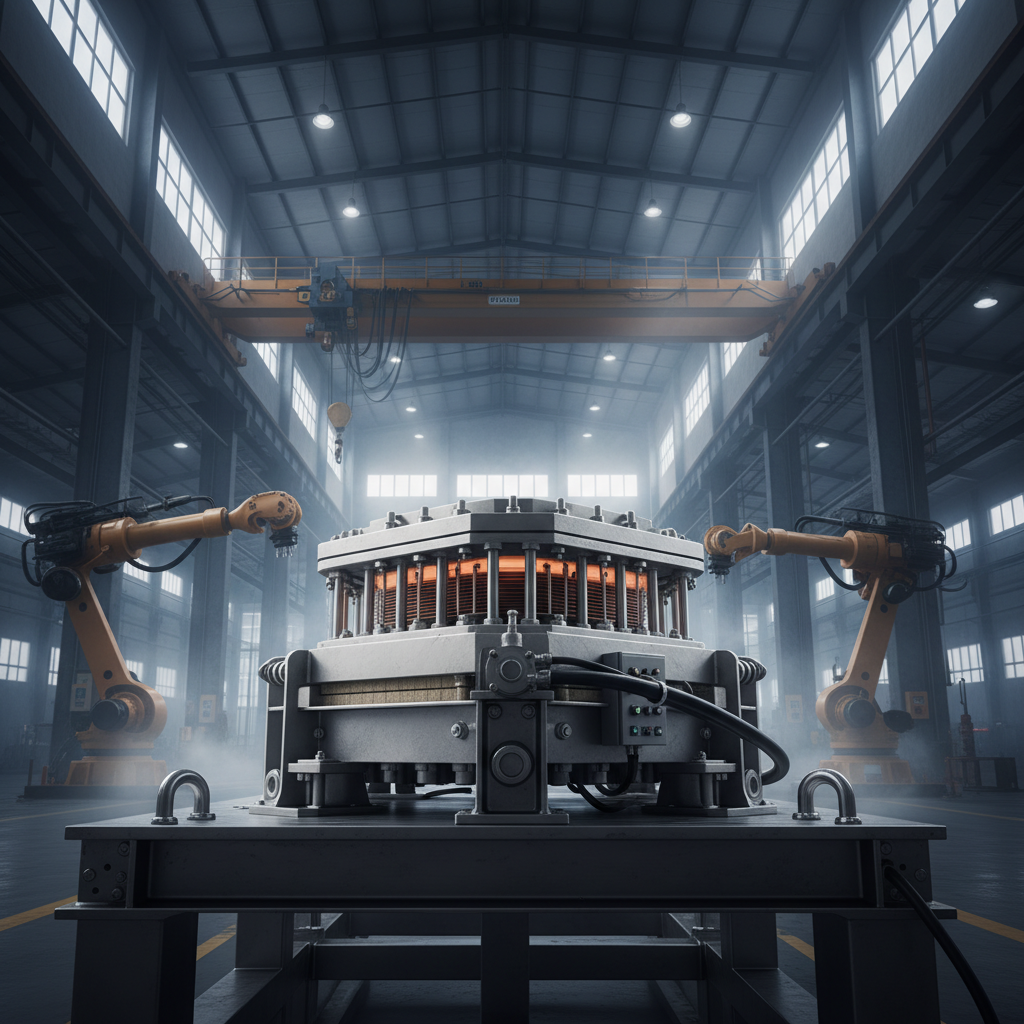
Key Features of a 20L Heating Mantle
A 20L heating mantle is designed to provide uniform heating to flasks and beakers with a maximum volume of 20 liters. Key features typically include adjustable temperature control, often with digital displays for precise settings. Robust insulation minimizes heat loss and ensures energy efficiency. The outer casing is usually made of a durable, chemically resistant material, safeguarding against spills and corrosion. Many models also feature built-in safety mechanisms, like overheat protection, to prevent accidents. The heating mantles from CZLabInstrument are known for their precise temperature control and robust construction.
Key Highlights: Precise temperature control, durable construction, and robust safety features are essential for reliable performance.
Applications of the 20L Heating Mantle
The 20L heating mantle finds diverse applications across numerous scientific disciplines. In chemical laboratories, it's used for refluxing, distillation, and solvent evaporation. Pharmaceutical research utilizes heating mantles for synthesis and reaction control. In the food and beverage industry, they're employed for heating and maintaining temperatures during various processing stages. Environmental monitoring also leverages heating mantles for sample preparation and analysis. Ultimately, its versatility makes it a cornerstone of many laboratory procedures.
Common Applications:
• Chemical Reactions – Refluxing, Distillation
• Pharmaceutical Synthesis
• Food & Beverage Processing
• Environmental Sample Preparation
20L Heating Mantle: Key Specifications and Comparisons
Selecting the right 20L heating mantle involves considering several crucial specifications. These include the power rating (in Watts), which dictates the heating speed; the temperature range, determining the mantle’s operational limits; and the voltage compatibility for your laboratory’s power supply. The quality of the insulation and the accuracy of the temperature control are also vital factors. Below is a comparison of typical specifications found in various models:
Safety Considerations When Using a 20L Heating Mantle
Safety is paramount when working with heating mantles. Always ensure proper ventilation to avoid the buildup of fumes. Use appropriate personal protective equipment (PPE), including heat-resistant gloves and safety glasses. Never operate a heating mantle without a flask or beaker in place. Regularly inspect the mantle for any signs of damage, such as cracks or frayed wiring. Adhering to these safety precautions will minimize the risk of accidents and ensure a safe working environment. You can explore detailed safety guidelines on the CZLabInstrument website.
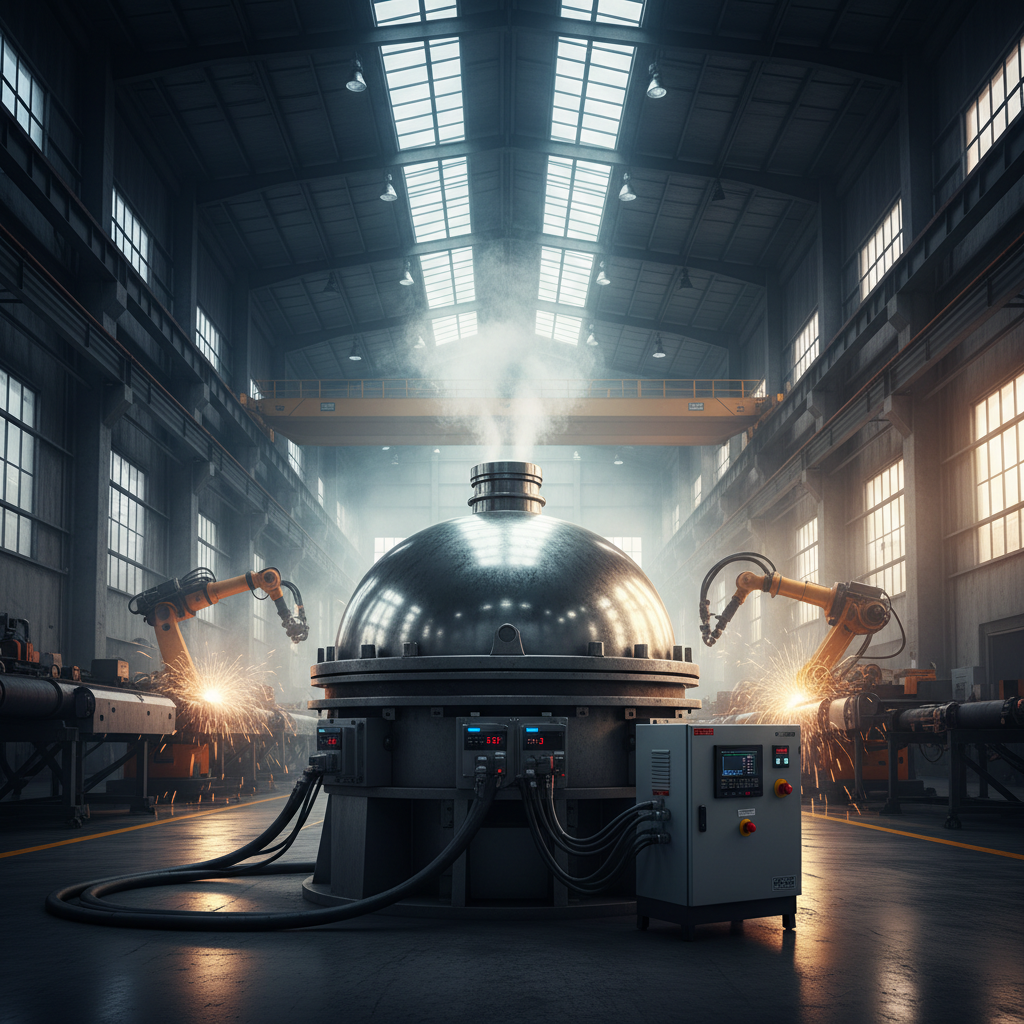
Choosing the Right 20L Heating Mantle for Your Needs
Selecting the perfect 20L heating mantle requires careful consideration of your specific application and budget. Prioritize features like precise temperature control, robust construction, and built-in safety mechanisms. Ensure compatibility with your laboratory's voltage and power requirements. Reading customer reviews and comparing specifications from different manufacturers, like CZLabInstrument, is essential. Investing in a high-quality mantle will yield long-term benefits in terms of reliability, accuracy, and safety.
Conclusion: Investing in Quality for Reliable Heating
The 20L Heating Mantle is an indispensable tool for numerous scientific applications. By prioritizing quality, safety, and precise control, you can ensure optimal results and a secure working environment. Choose a reputable supplier like CZLabInstrument to gain access to reliable products and expert support.
Frequently Asked Questions (FAQs)
What is the optimal temperature range for a 20L heating mantle?
The optimal temperature range depends on your specific application. However, a good general-purpose 20L heating mantle should offer a range from room temperature up to at least 350°C, with some models reaching 380°C or higher. It’s crucial to select a mantle that can accurately and reliably maintain the temperature required for your experiment or process. Precise temperature control is key to achieving consistent results and preventing unwanted side reactions. Consider the volatility of your solvents and the desired reaction rate when determining the appropriate temperature.
How do I ensure the safe operation of my heating mantle?
Safety is paramount. Always ensure the heating mantle is placed on a stable, non-flammable surface. Never operate the mantle without a flask or beaker securely in place. Utilize appropriate personal protective equipment (PPE), including heat-resistant gloves and safety glasses. Regularly inspect the mantle for any signs of damage, such as cracks or frayed wiring. Ensure proper ventilation to prevent the buildup of potentially hazardous fumes. Finally, always disconnect the mantle from the power source when not in use.
What are the benefits of a digital temperature controller on a heating mantle?
Digital temperature controllers offer significant advantages over analog controls. They provide precise and accurate temperature settings, allowing for reproducible results. PID (Proportional-Integral-Derivative) control algorithms enhance temperature stability and minimize overshoot. Digital displays make it easy to monitor the current temperature and adjust settings as needed. This level of control is essential for applications where precise temperature maintenance is critical, such as chemical synthesis and pharmaceutical research.
What materials are commonly used in the construction of heating mantles?
Heating mantles typically consist of an inner layer of heating wire, often nichrome, embedded in a thermally conductive material. This is surrounded by a layer of insulation, such as fiberglass or mineral wool, to minimize heat loss. The outer casing is usually made of a durable and chemically resistant material, like aluminum or stainless steel, to protect the internal components and withstand laboratory environments. The quality of these materials directly impacts the mantle’s performance, durability, and safety.


