
Comprehensive Guide to Vertical Flow Cabines for Laboratory Applications
Understanding the Vertical Flow Cabine: A Comprehensive Guide
In the realm of laboratory equipment, maintaining a sterile and controlled environment is paramount. The Vertical Flow Cabine, offered by CZ Lab Instrument, plays a crucial role in ensuring the integrity of research and testing processes. This article provides a detailed exploration of Vertical Flow Cabines, their applications, benefits, and why choosing a reliable provider like CZ Lab Instrument is essential. We’ll examine how these cabinets contribute to contamination control and accurate results in various scientific disciplines.
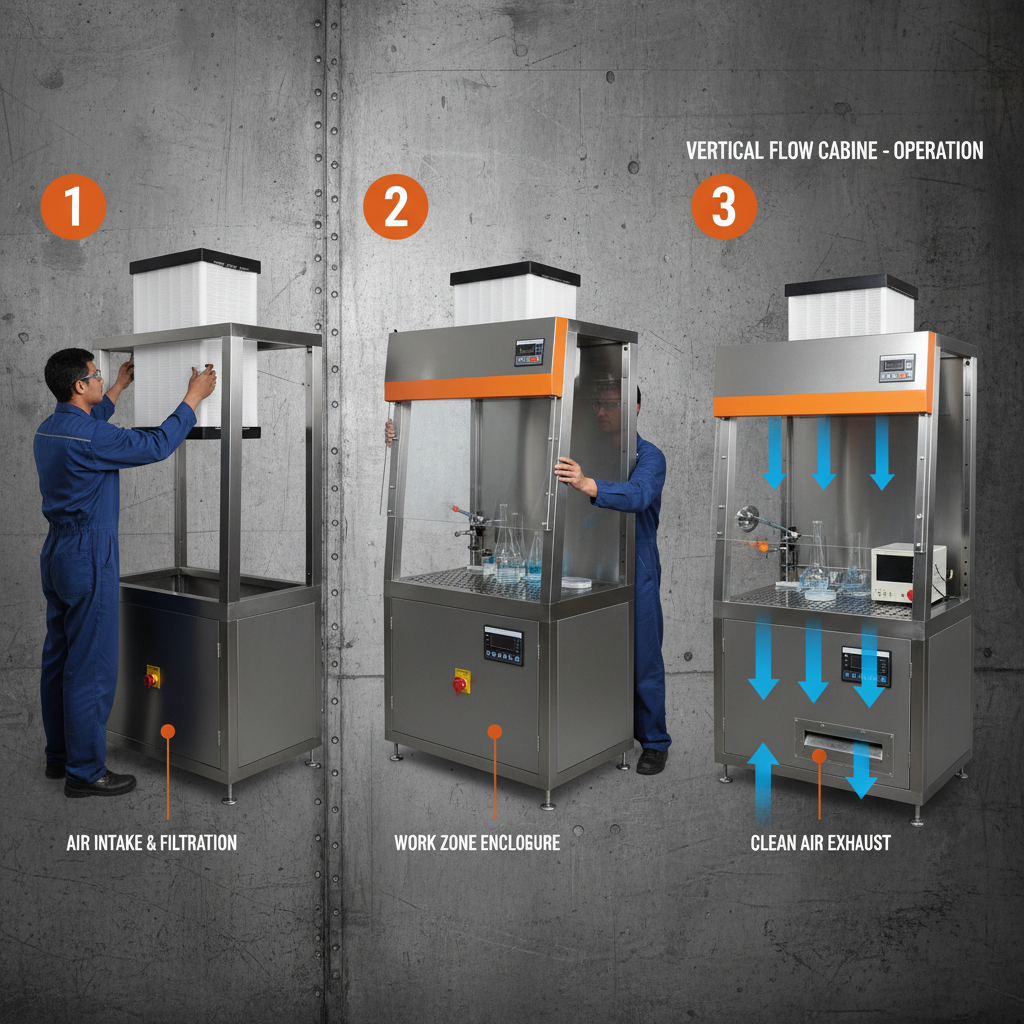
What is a Vertical Flow Cabine?
A Vertical Flow Cabine, also known as a laminar flow hood, is a specialized enclosure designed to create a particle-free working environment. Air is drawn through a HEPA filter and flows vertically down over the work surface, effectively removing airborne contaminants. This downward airflow creates a clean zone ideal for sensitive procedures. Unlike biosafety cabinets, vertical flow cabines do not protect the user, but rather protect the experiment or product from contamination. They are widely used in fields like microbiology, pharmaceutical research, and electronics manufacturing. CZ Lab Instrument provides high-quality Vertical Flow Cabines engineered for optimal performance and reliability.
Key Highlights: Creates a particle-free working environment by drawing air through a HEPA filter and flowing it vertically down. Protects experiments and products from contamination, and is widely used in various scientific fields.
Applications of Vertical Flow Cabines
Vertical Flow Cabines are essential in numerous scientific applications. In microbiology, they provide a sterile workspace for culturing bacteria and other microorganisms. Pharmaceutical research utilizes them for preparing sterile solutions and compounding medications. Electronics manufacturing relies on them for assembling sensitive components in a dust-free environment. Other applications include cell culture, plant tissue culture, and powder handling. CZ Lab Instrument’s cabines are designed to meet the specific needs of a diverse range of industries.
Key Application Areas:
• Microbiology
• Pharmaceutical Research
• Electronics Manufacturing
• Cell Culture
Vertical Flow Cabine vs. Biosafety Cabinet: Understanding the Difference
It’s common to confuse Vertical Flow Cabines with Biosafety Cabinets (BSCs). While both provide clean working environments, their purposes and functionalities differ significantly. Vertical Flow Cabines protect the product from contamination, whereas BSCs protect both the user and the product. BSCs have inward airflow, filtering exhaust air to prevent hazardous materials from escaping. Vertical Flow Cabines lack this exhaust filtration system. Choosing the right cabinet depends on the specific application and the potential hazards involved.
Choosing the Right Vertical Flow Cabine from CZ Lab Instrument
When selecting a Vertical Flow Cabine, consider factors like size, airflow rate, filter efficiency, and material construction. CZ Lab Instrument offers a range of cabines to suit different needs, including stainless steel models for enhanced durability and corrosion resistance. We prioritize quality and reliability, ensuring our products meet stringent industry standards. Our team can assist you in choosing the perfect cabine for your specific application.
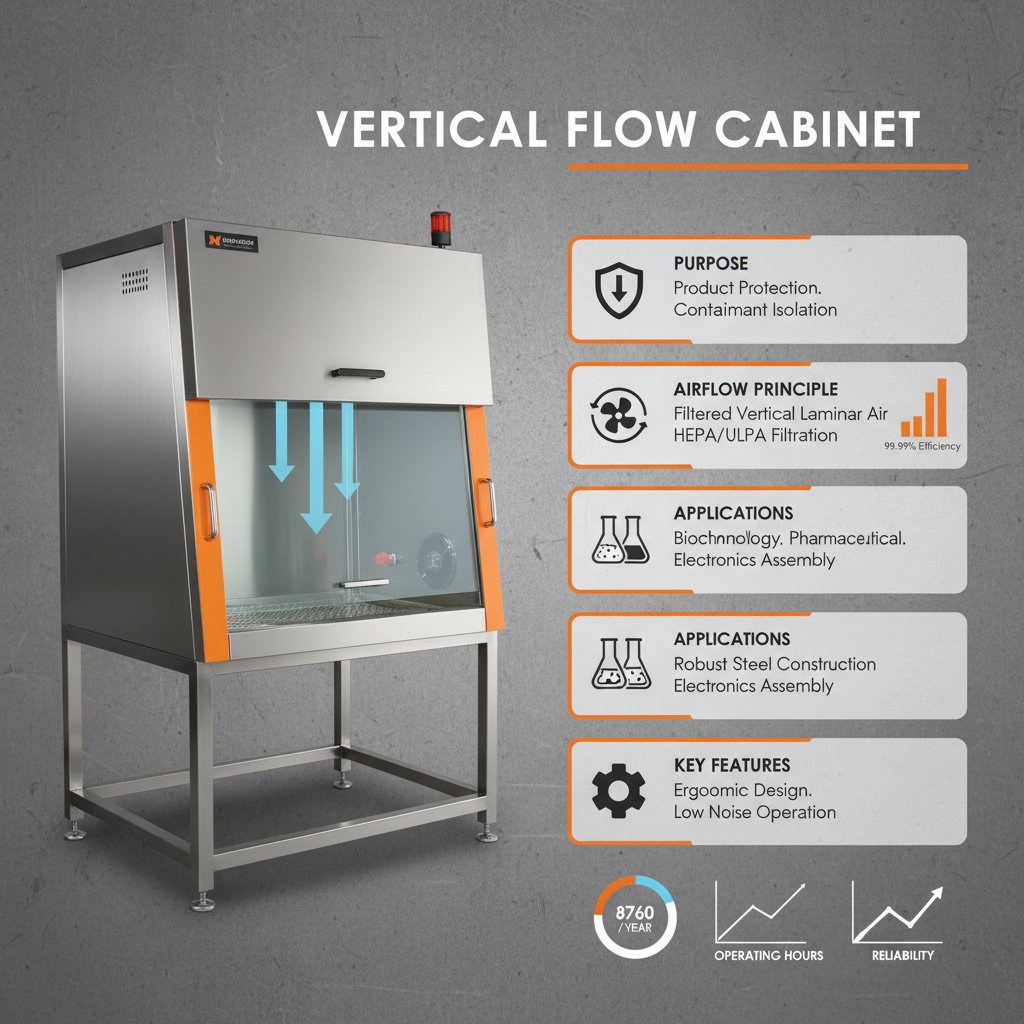
Product Specifications & Features
Our Vertical Flow Cabines boast several key features. They utilize efficient HEPA filters, ensuring a high level of particle removal. The intuitive control panel allows for easy adjustment of airflow and lighting. Durable construction using high-quality materials ensures long-lasting performance. Here are some specifications:
Conclusion: Ensuring a Sterile Environment with CZ Lab Instrument
Investing in a Vertical Flow Cabine from CZ Lab Instrument is a crucial step towards maintaining a sterile and controlled environment in your laboratory. Our commitment to quality, reliability, and customer satisfaction makes us a trusted partner for scientists and researchers. Contact us today to learn more about our products and find the perfect solution for your needs.
Frequently Asked Questions (FAQs)
How often should the HEPA filter be replaced?
The HEPA filter should be replaced every 6-12 months, depending on usage and the level of airborne particles in the environment. Regularly monitoring the filter’s performance with a particle counter is recommended. A clogged filter reduces airflow and compromises the cabine’s effectiveness. CZ Lab Instrument offers filter replacement services and can advise on the appropriate maintenance schedule for your cabine.
What cleaning procedures are recommended for a Vertical Flow Cabine?
Regular cleaning is essential for maintaining the cabine's sterility. Wipe down the work surface with a 70% isopropyl alcohol solution before and after each use. Avoid using abrasive cleaners or harsh chemicals. The HEPA filter should never be directly cleaned; it must be replaced when it becomes clogged. Follow the manufacturer’s instructions for detailed cleaning guidelines.
Can I use a Vertical Flow Cabine for working with infectious materials?
No, a Vertical Flow Cabine is not suitable for working with infectious materials or hazardous substances. These applications require a Biosafety Cabinet (BSC), which provides personnel protection through inward airflow and exhaust filtration. Using a Vertical Flow Cabine for these purposes would expose the user to potential hazards.


