
Maintaining a Clean Workbench for Enhanced Productivity and Safety
Maintaining Productivity: The Importance of a Clean Workbench
In any professional setting, particularly within laboratories, manufacturing facilities, and workshops, a clean workbench is paramount. It's not merely about aesthetics; it's directly linked to efficiency, accuracy, and safety. A cluttered workspace leads to wasted time searching for tools, increased risk of errors, and potential hazards. This article delves into the numerous benefits of a clean workbench, best practices for maintenance, and how investing in quality workbenches can transform your operations. At CZLabInstrument, we understand the critical role of a well-maintained workspace and offer solutions to optimize your workflow.
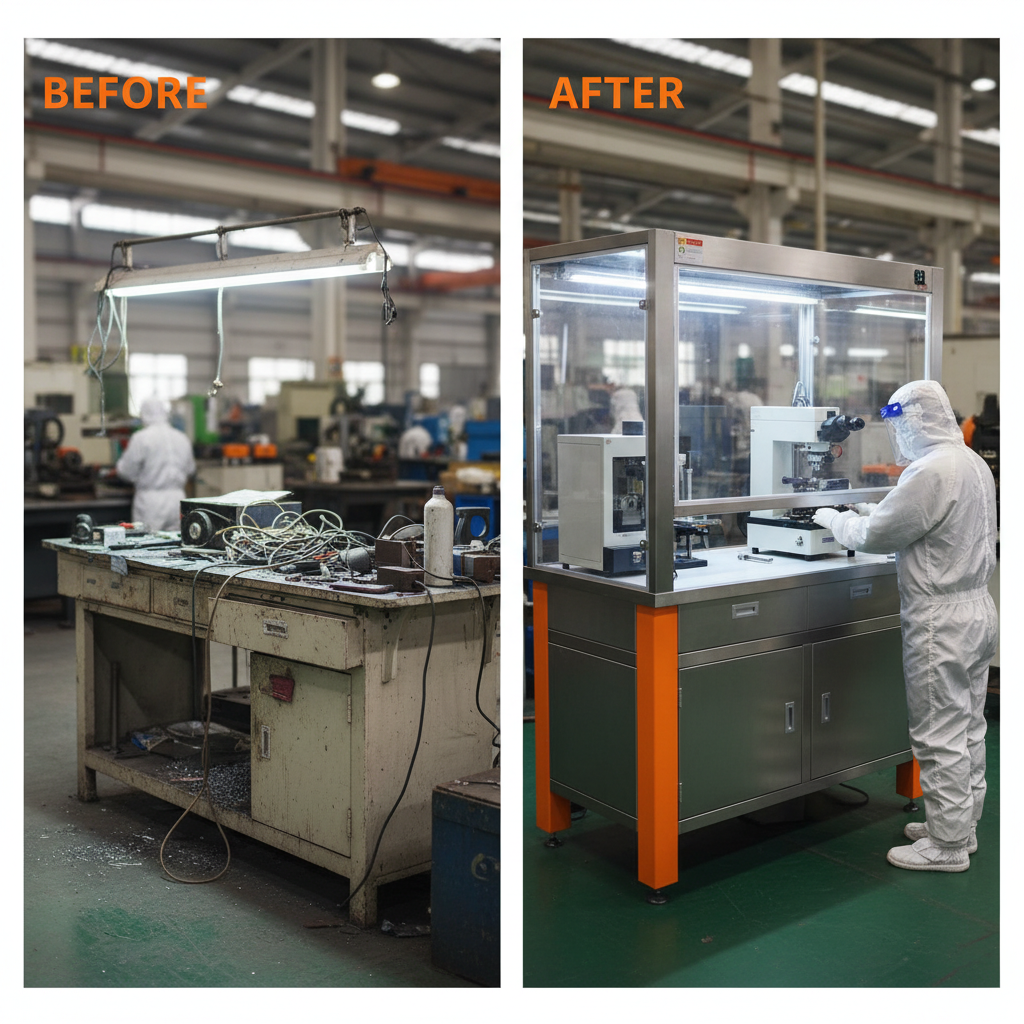
Why a Clean Workbench Matters: Beyond Appearances
The advantages of maintaining a clean workbench extend far beyond simple visual appeal. A clean workspace fosters a more organized and efficient work environment. When tools and materials are readily accessible, employees spend less time searching and more time focusing on the task at hand. This translates directly to increased productivity and reduced project completion times. Furthermore, a clean workbench minimizes the risk of contamination, which is particularly crucial in sensitive applications like electronics assembly, medical device manufacturing, and laboratory research. A consistent cleaning routine also extends the lifespan of your workbenches and tools by preventing the build-up of corrosive substances and abrasive particles. Investing in a dedicated cleaning schedule is an investment in your company's long-term success.
Key Benefits: Increased productivity, reduced risk of errors, minimized contamination, extended equipment lifespan, enhanced safety, and improved employee morale.
Best Practices for Maintaining a Clean Workbench
Establishing a routine is key to maintaining a consistently clean workbench. Here's a breakdown of best practices: Daily Cleaning: At the end of each shift, remove all tools and materials from the workbench surface. Wipe down the surface with a suitable cleaning solution, paying attention to any spills or debris. Weekly Deep Cleaning: A more thorough cleaning should be conducted weekly. This includes disinfecting the workbench surface, cleaning drawers and shelves, and inspecting tools for damage or wear. Regular Organization: Implement a system for organizing tools and materials. Utilize tool holders, drawers, and shelves to keep everything in its designated place. Proactive Spill Management: Address spills immediately to prevent them from drying and becoming difficult to remove. Material Disposal: Have a designated container for waste materials and empty it regularly. These simple steps can significantly contribute to a cleaner and more efficient workspace.
Cleaning Checklist:
• Remove all items from the surface
• Wipe down with disinfectant cleaner
• Organize tools and materials
• Dispose of waste properly
Clean Workbench Solutions: Comparing Materials and Methods
Choosing the right cleaning materials and methods is crucial for effectively maintaining a clean workbench. Different workbench materials require different cleaning approaches. For example, stainless steel workbenches are durable and resistant to many chemicals, but abrasive cleaners should be avoided as they can scratch the surface. Epoxy resin workbenches are also chemical-resistant but may be susceptible to staining. Wooden workbenches require careful cleaning to prevent water damage and warping. Here's a comparison of common cleaning materials:
Investing in Quality Workbenches: A Long-Term Solution
The type of workbench you choose significantly impacts how easy it is to maintain cleanliness and organization. CZLabInstrument offers a range of high-quality workbenches designed for durability, ease of cleaning, and optimal ergonomics. Features like smooth, non-porous surfaces, integrated storage solutions, and adjustable heights contribute to a cleaner, more efficient workspace. Our workbenches are constructed from premium materials, ensuring long-lasting performance and minimizing the need for frequent replacements. Choosing the right workbench is a strategic investment that pays dividends in productivity, safety, and overall operational efficiency.
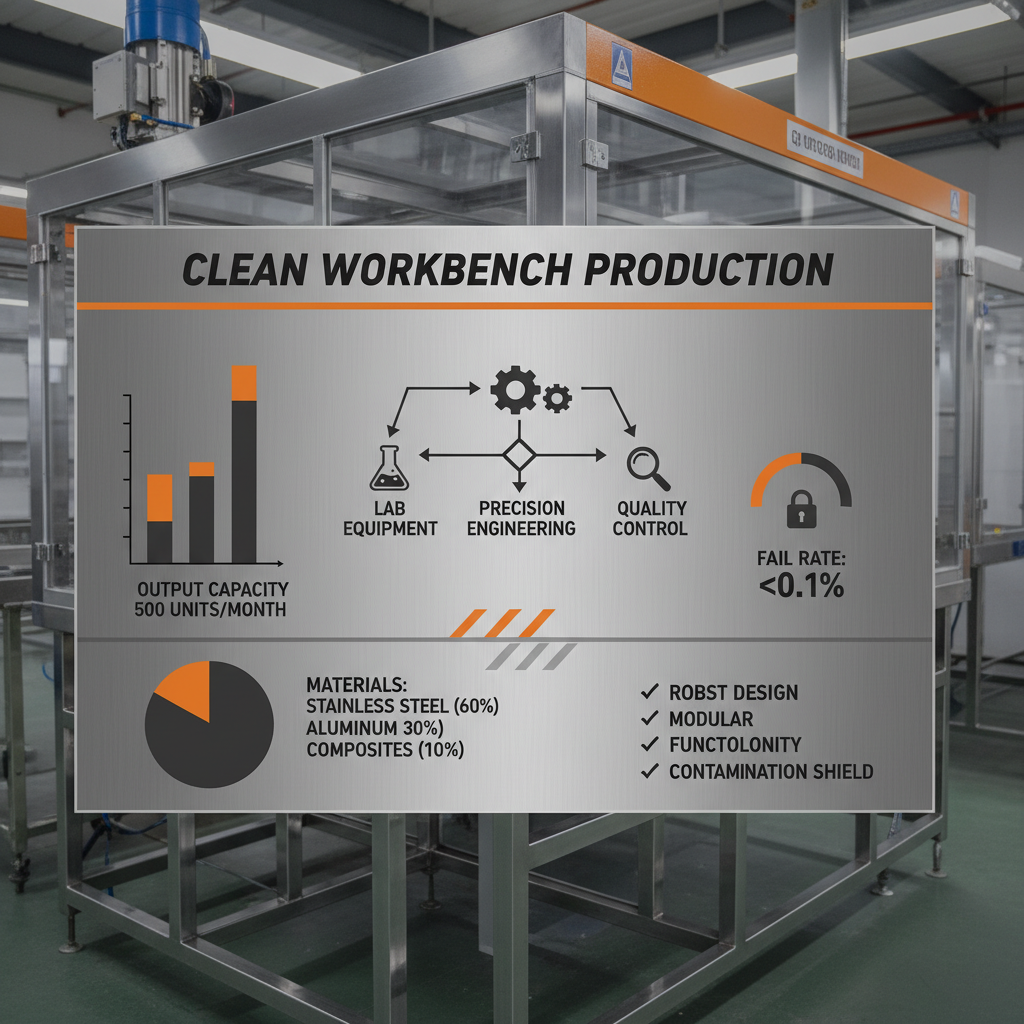
The Impact of a Clean Workbench on Employee Well-being
A clean and organized workspace directly contributes to employee well-being. A cluttered environment can be a source of stress and anxiety, leading to decreased morale and reduced productivity. Conversely, a clean workbench promotes a sense of order and control, fostering a more positive and focused work atmosphere. When employees feel comfortable and safe in their surroundings, they are more likely to be engaged and productive. Investing in a clean and well-maintained workspace demonstrates a commitment to employee well-being, which can lead to increased job satisfaction and reduced turnover.
Conclusion: Prioritize Cleanliness for Optimal Results
Maintaining a clean workbench is not simply a matter of aesthetics; it’s a critical component of a successful and efficient operation. From increased productivity and reduced errors to enhanced safety and improved employee well-being, the benefits are numerous. By implementing best practices for cleaning and investing in quality workbenches from CZLabInstrument, you can create a workspace that supports your team's success.
Frequently Asked Questions (FAQs)
How often should I completely disinfect my workbench?
The frequency of complete disinfection depends on the nature of your work. For general applications, a weekly disinfection is typically sufficient. However, if you're working with hazardous materials, biological samples, or in a sensitive environment like a cleanroom, daily or even more frequent disinfection may be necessary. Always follow your organization's safety protocols and the manufacturer's instructions for the disinfectant being used. Proper ventilation during and after disinfection is also crucial to ensure a safe working environment.
What is the best way to prevent spills on my workbench?
Prevention is key! Use drip trays or absorbent mats under containers that hold liquids. Ensure containers are securely closed and properly labeled. Consider using secondary containment, such as trays or bins, to catch any accidental spills. Train employees on proper handling procedures and spill response protocols. Regularly inspect containers for leaks or damage and promptly address any issues. Having spill kits readily available can also minimize the impact of accidental spills.
How does workbench organization impact efficiency?
A well-organized workbench drastically improves efficiency. When tools and materials are in their designated places, you spend less time searching for them, allowing you to focus on the task at hand. This reduces wasted time, minimizes errors, and increases overall productivity. A logical layout, clear labeling, and readily accessible storage solutions contribute to a smoother workflow and a more efficient work environment. Implementing a 'place for everything and everything in its place' philosophy can make a significant difference.
What features should I look for when choosing a new workbench?
Consider the specific needs of your application. Look for a workbench made from durable, easy-to-clean materials. Integrated storage solutions, such as drawers and shelves, are highly beneficial. Adjustable height is a valuable feature for ergonomics. Ensure the workbench has sufficient workspace to accommodate your tools and materials. If you're working with sensitive equipment, consider features like grounding capabilities and vibration dampening. CZLabInstrument offers a variety of workbenches to meet diverse requirements.


