
The Importance of Laminar Airflow Clean Bench for Controlled Environments
Understanding the Importance of a Laminar Airflow Clean Bench
In controlled environments where maintaining purity is paramount – such as laboratories, pharmaceutical manufacturing, and electronics assembly – a Laminar Airflow Clean Bench is an indispensable tool. These benches provide a sterile work area by directing a continuous stream of filtered air, protecting sensitive processes from contamination. This article will explore the principles behind laminar airflow, the different types of clean benches, their applications, key features to consider, and how CZ Lab Instrument can provide the ideal solution for your specific needs. Properly maintaining a clean and controlled environment is crucial for reliable results and product quality.
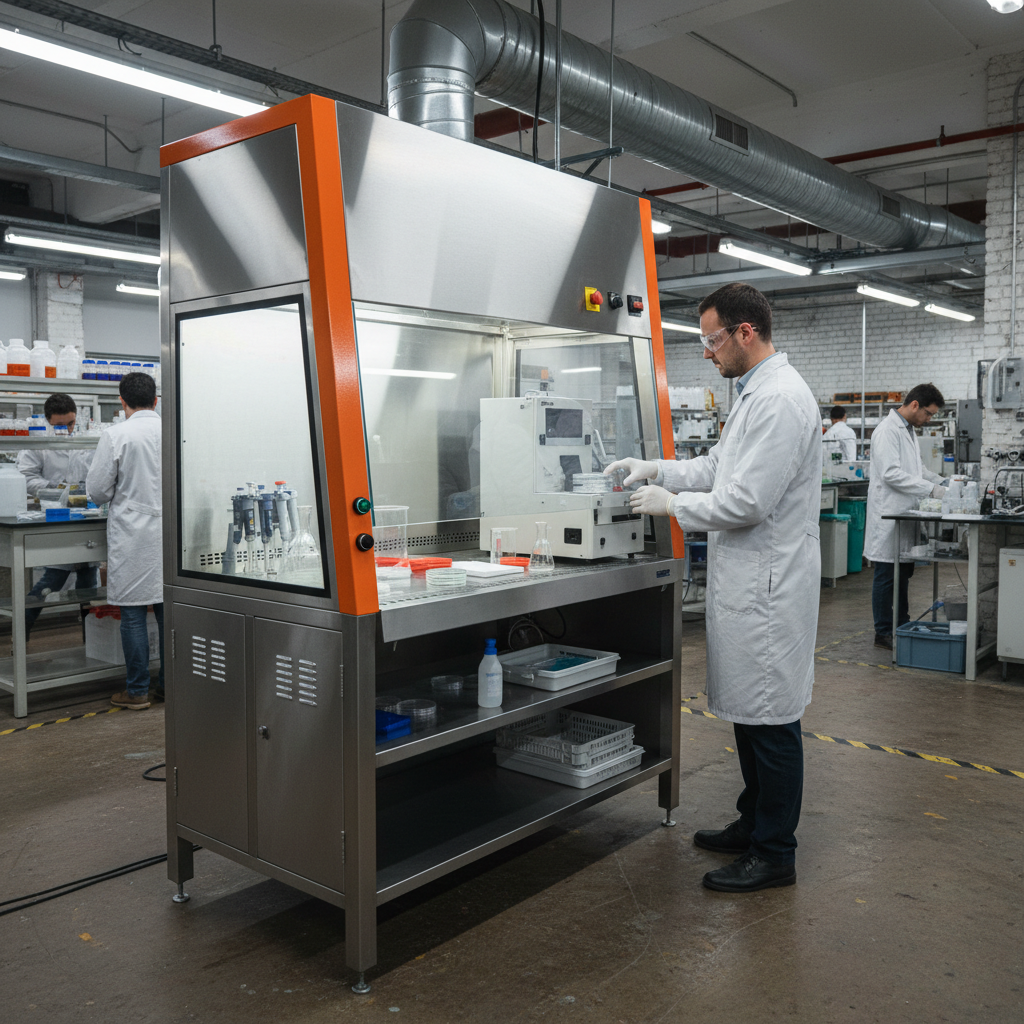
How Laminar Airflow Clean Benches Work
The core principle of a laminar airflow clean bench is the creation of a unidirectional airflow. A powerful fan draws air through a highly efficient filtration system, typically employing HEPA (High-Efficiency Particulate Air) filters. These filters capture 99.97% of particles 0.3 microns in size, ensuring exceptionally clean air. This filtered air is then blown uniformly across the work surface in a laminar (smooth, parallel) flow, sweeping contaminants away from the critical process area. The direction of the airflow, either horizontal or vertical, defines the type of clean bench.
Key Benefit: Laminar airflow minimizes the risk of airborne contamination, protecting samples, products, and personnel. This controlled environment is essential for applications requiring a high degree of sterility.
Horizontal vs. Vertical Laminar Flow: Which is Right for You?
The choice between a horizontal and vertical laminar flow clean bench depends on the specific application. Horizontal flow benches blow air across the work surface from back to front. They are suitable for applications where protecting the process from external contamination is the primary concern, but they offer less protection to the operator. Vertical flow benches, conversely, blow air down from the top, providing both product and operator protection. This makes them ideal for handling potentially hazardous materials or when maintaining a higher level of sterility is critical. CZ Lab Instrument offers both configurations to meet diverse requirements.
Flow Direction Comparison:
• Horizontal Flow: Protects the process, less operator protection.
• Vertical Flow: Protects both the process and the operator.
Laminar Airflow Clean Bench Applications Across Industries
The versatility of laminar airflow clean benches means they're used in a remarkably broad range of industries. In the pharmaceutical sector, they are essential for compounding sterile medications and preparing samples for analysis. Electronics manufacturing relies on clean benches for assembling sensitive components. Microbiology labs utilize them for culturing cells and performing sterile assays. Other common applications include plant tissue culture, medical device manufacturing, and food processing. The ability to control contamination is critical in all of these areas, and a clean bench from CZ Lab Instrument delivers that control.
Key Features to Consider When Selecting a Laminar Airflow Clean Bench
Choosing the right clean bench requires careful consideration of several factors. The size of the work area should be sufficient for your needs. The material of construction – typically stainless steel – must be appropriate for your application. Look for features such as adjustable airflow speed, digital temperature control, and convenient access ports. Also, consider the filter efficiency and ease of replacement. CZ Lab Instrument offers a range of models with varying features and sizes to meet your specific requirements.
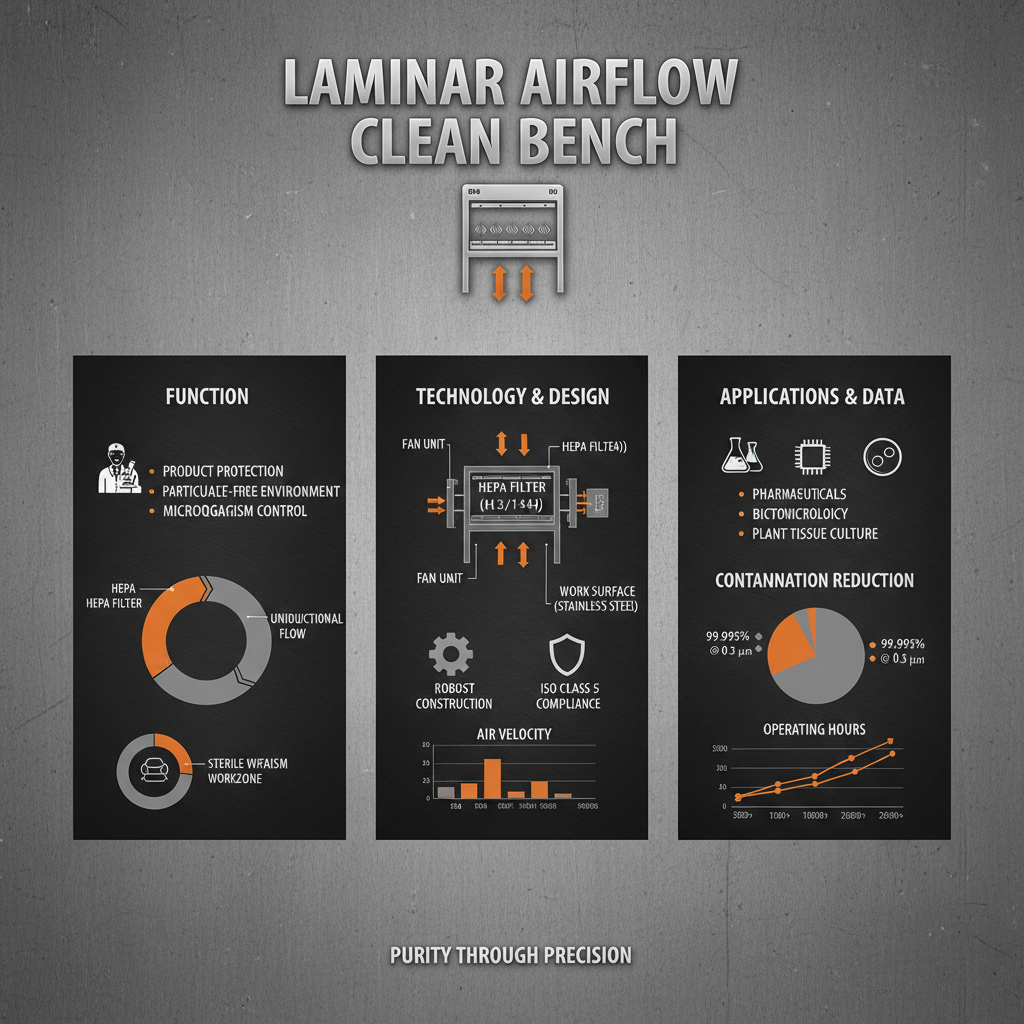
CZ Lab Instrument: Your Trusted Partner for Clean Bench Solutions
At CZ Lab Instrument, we are committed to providing high-quality, reliable laminar airflow clean benches to meet the demanding needs of our customers. We offer a comprehensive range of models, expert technical support, and competitive pricing. Our team can help you select the perfect clean bench for your application and ensure its proper installation and maintenance. Contact us today to discuss your specific requirements.
Conclusion: Ensuring Purity and Reliability with CZ Lab Instrument
A Laminar Airflow Clean Bench is a vital investment for any environment requiring a high degree of purity. By choosing CZ Lab Instrument, you're partnering with a trusted provider dedicated to delivering quality, reliability, and exceptional customer service. Don't compromise on the integrity of your work – choose CZ Lab Instrument.
Frequently Asked Questions (FAQs)
How often should I replace the HEPA filter in my clean bench?
The frequency of HEPA filter replacement depends on usage and the environment. Generally, filters should be replaced every 6-12 months, or sooner if the airflow is noticeably reduced or if contamination is detected. Regular filter integrity testing is recommended to ensure optimal performance. CZ Lab Instrument offers filter replacement services and can advise you on the appropriate schedule for your specific application.
What is the difference between a clean bench and a biosafety cabinet?
While both provide a clean work environment, they serve different purposes. A clean bench protects the process from contamination but does not protect the operator. A biosafety cabinet (BSC), on the other hand, provides both product and personnel protection. BSCs are designed to contain hazardous materials and are essential for working with infectious agents. They achieve this through HEPA filtration of both incoming air and exhaust air.
How do I maintain the cleanliness of my clean bench?
Regular cleaning is crucial. Wipe down the work surface with an appropriate disinfectant before and after each use. Avoid placing items on the bench that are not essential for the process. Regularly inspect and clean the air inlets and outlets. Follow the manufacturer's instructions for filter replacement and maintenance. CZ Lab Instrument provides detailed cleaning and maintenance guidelines with our clean benches.
What is the typical airflow velocity for a laminar airflow clean bench?
The typical airflow velocity for a laminar airflow clean bench is around 80-100 linear feet per minute (LFPM). This velocity is sufficient to maintain a stable laminar airflow pattern and effectively sweep away contaminants. The airflow speed is adjustable on many models, allowing you to optimize it for your specific application. Regular airflow velocity monitoring is essential to ensure the bench is operating correctly.


