
Understanding Convection Ovens for Superior Cooking Results
Understanding Convection Ovens: A Comprehensive Guide
Convection ovens have become a staple in both commercial kitchens and home baking, offering a superior cooking experience compared to traditional ovens. Utilizing fans to circulate hot air, they ensure even heat distribution, resulting in faster cooking times and consistently excellent results. Whether you're a seasoned chef or a home enthusiast, understanding the benefits and functionalities of a convection oven is crucial for achieving culinary success. This article dives deep into the technology, applications, and considerations when choosing the right convection oven for your needs.
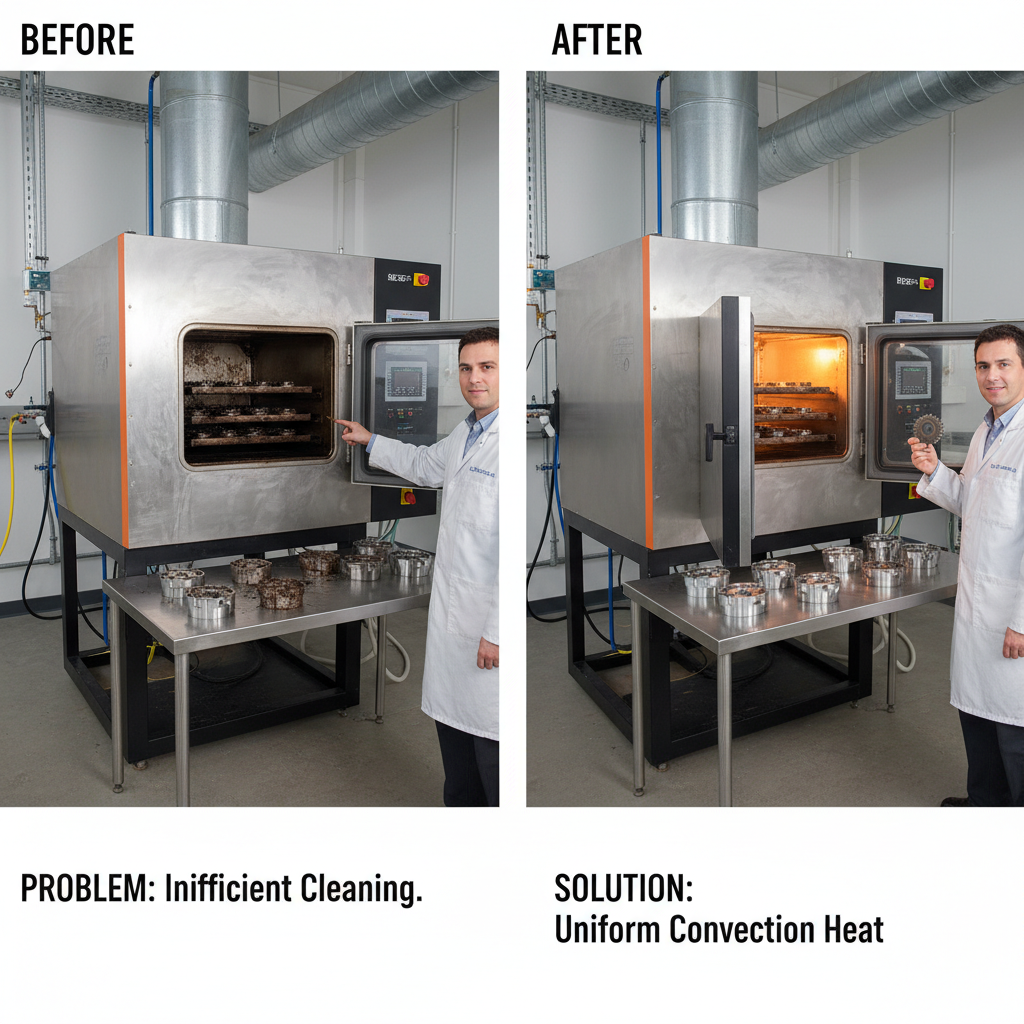
How Does a Convection Oven Work?
Unlike traditional ovens that rely on radiant heat, convection ovens employ a fan to actively circulate hot air throughout the cooking chamber. This constant movement of air eliminates hot and cold spots, leading to more uniform cooking. The circulating air also accelerates heat transfer, reducing cooking times by approximately 25-30%. This means quicker meal preparation and energy savings. Furthermore, convection ovens often excel at browning and crisping food, making them ideal for pastries, roasted meats, and vegetables.
Key Benefit: Even heat distribution results in consistently cooked food and reduced cooking times.
Convection Oven vs. Traditional Oven: A Detailed Comparison
The differences between convection and traditional ovens go beyond just the presence of a fan. Traditional ovens heat food through radiant heat from heating elements, creating pockets of varying temperatures. This can lead to unevenly cooked dishes. Convection ovens, with their forced air circulation, address this issue, creating a more consistent and predictable cooking environment. The result is improved texture, color, and overall quality. The CZLab Instrument offers high-quality convection ovens designed for precision and reliability.
Key Differences:
• Heat Distribution: Convection – Even; Traditional – Uneven
• Cooking Time: Convection – Faster (25-30%); Traditional – Slower
• Browning & Crispiness: Convection – Superior; Traditional – Moderate
• Energy Efficiency: Convection – Generally more efficient due to shorter cooking times
Types of Convection Ovens
There are several types of convection ovens available, each suited to different needs and applications. Standard convection ovens utilize a single fan to circulate air. True convection ovens (also known as European convection) have a heating element around the fan, providing more consistent heat. Dual-fan convection ovens employ two fans for even greater efficiency. Finally, steam convection ovens inject steam into the cooking chamber, ideal for baking breads and pastries with a moist crust. Understanding these differences is essential when choosing the right oven for your cooking style.
CZLab Instrument Convection Oven Specifications
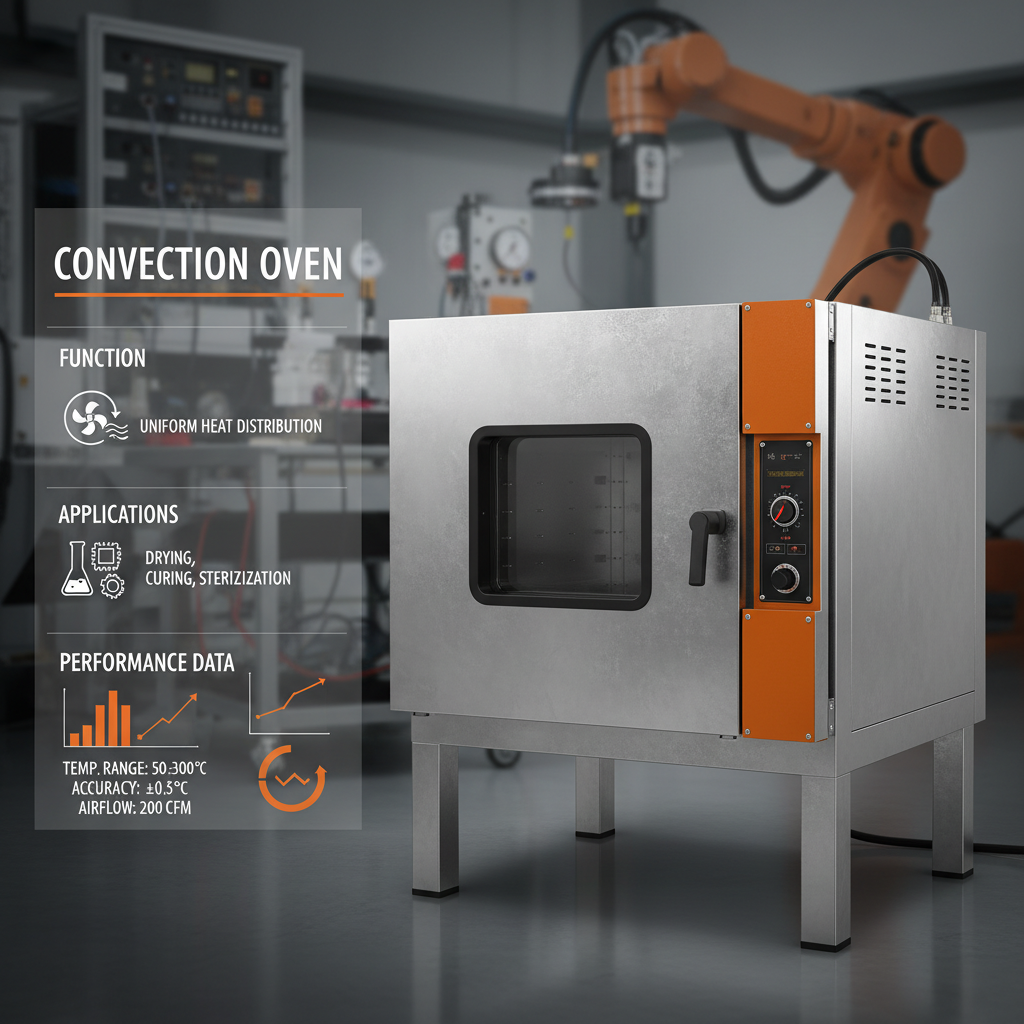
At CZLab Instrument, we pride ourselves on delivering high-performance, reliable convection ovens. Our models are designed with precision engineering and built to withstand the demands of both laboratory and industrial settings. Here's a look at the specifications for our standard convection oven model:
Applications of Convection Ovens
Convection ovens are incredibly versatile and find applications across various sectors. In the food industry, they're essential for baking, roasting, and general cooking. Laboratories utilize them for drying samples, sterilizing equipment, and conducting heat treatment processes. Manufacturing industries also leverage convection ovens for processes like powder coating and curing adhesives. The precision and control offered by our ovens at CZLab Instrument makes them suitable for a wide range of demanding applications.
Conclusion: The Future of Cooking is Convection
Investing in a convection oven is a significant step towards enhancing your cooking or laboratory processes. The benefits of even heating, reduced cooking times, and superior results make it a valuable asset for professionals and home cooks alike. Explore the range of high-quality convection ovens available at CZLab Instrument to find the perfect solution for your specific needs.
Frequently Asked Questions (FAQs)
Do I need to adjust cooking times when using a convection oven?
Yes, generally you'll need to reduce cooking times by about 25-30% when switching from a traditional oven to a convection oven. You may also need to lower the temperature by around 25°F (14°C) to prevent over-browning. However, it's always best to check your recipe and adjust as needed, as cooking times can vary depending on the specific dish and oven model. It’s advisable to monitor your food closely during the initial uses of your convection oven to determine the optimal settings for your favorite recipes.
Can I use the same bakeware in a convection oven?
Generally, yes, you can use the same bakeware in a convection oven. However, it’s recommended to use lower-sided bakeware as the circulating air can potentially cause splattering. Dark-colored bakeware will absorb more heat, so you might need to reduce the temperature slightly. Avoid overcrowding the oven, as this can hinder air circulation and affect cooking results. Ensure your bakeware is oven-safe and compatible with the temperature range you’re using.
How do I clean a convection oven?
Cleaning a convection oven is similar to cleaning a traditional oven. Always unplug the oven before cleaning. Remove any loose debris and then use a commercial oven cleaner or a mixture of baking soda and water. For stubborn stains, let the cleaning solution sit for several hours before scrubbing. Be sure to wipe down the fan area carefully to remove any grease or buildup. Refer to your oven's manual for specific cleaning instructions.
What are the benefits of a steam convection oven?
Steam convection ovens add moisture to the cooking process, resulting in incredibly tender and flavorful dishes. The steam helps to prevent food from drying out, creating a crisp crust while maintaining a moist interior. They're particularly well-suited for baking breads and pastries, roasting meats, and steaming vegetables. The added moisture also makes cleaning easier, as food residue doesn't bake onto the oven walls as readily.


