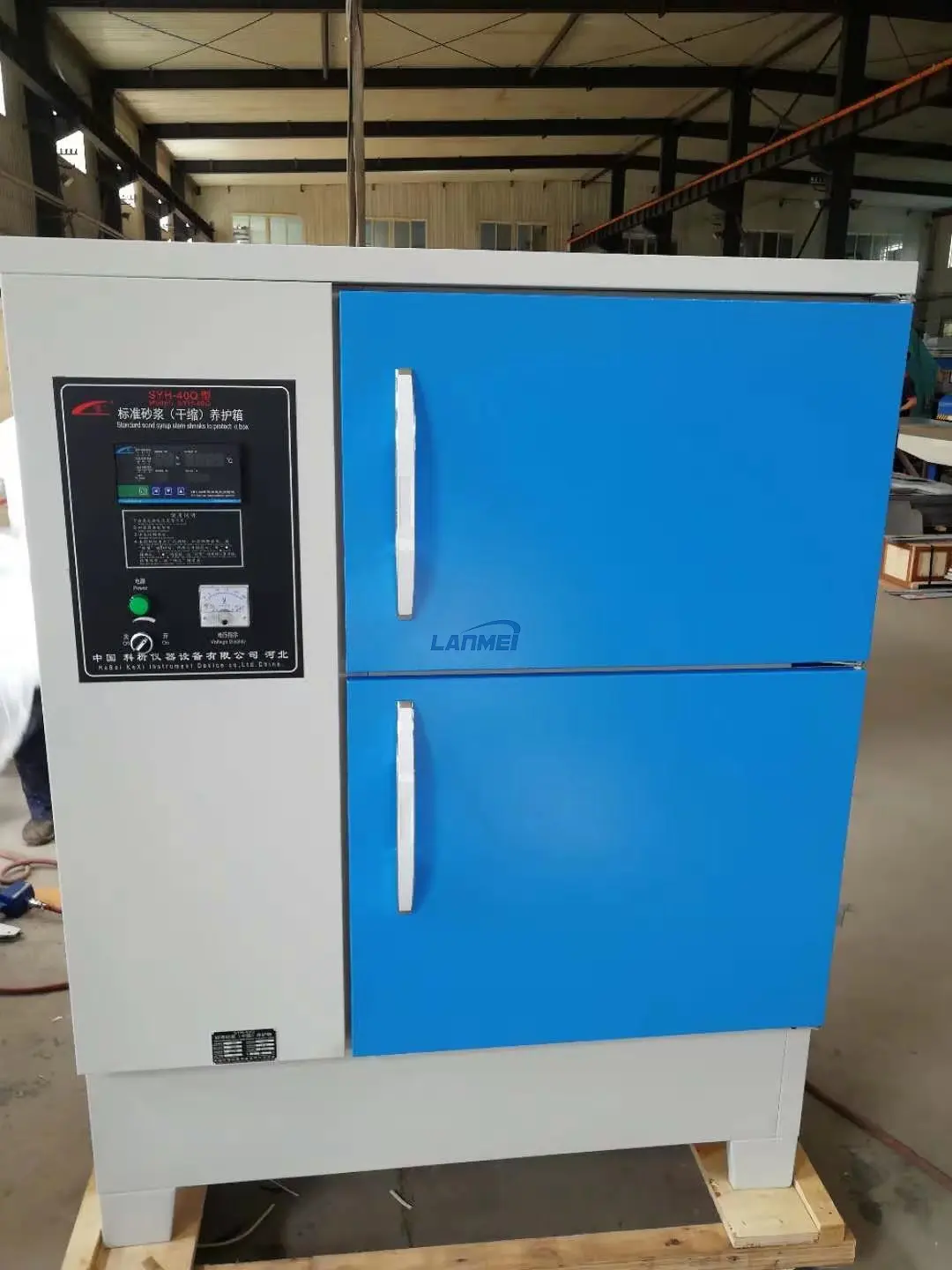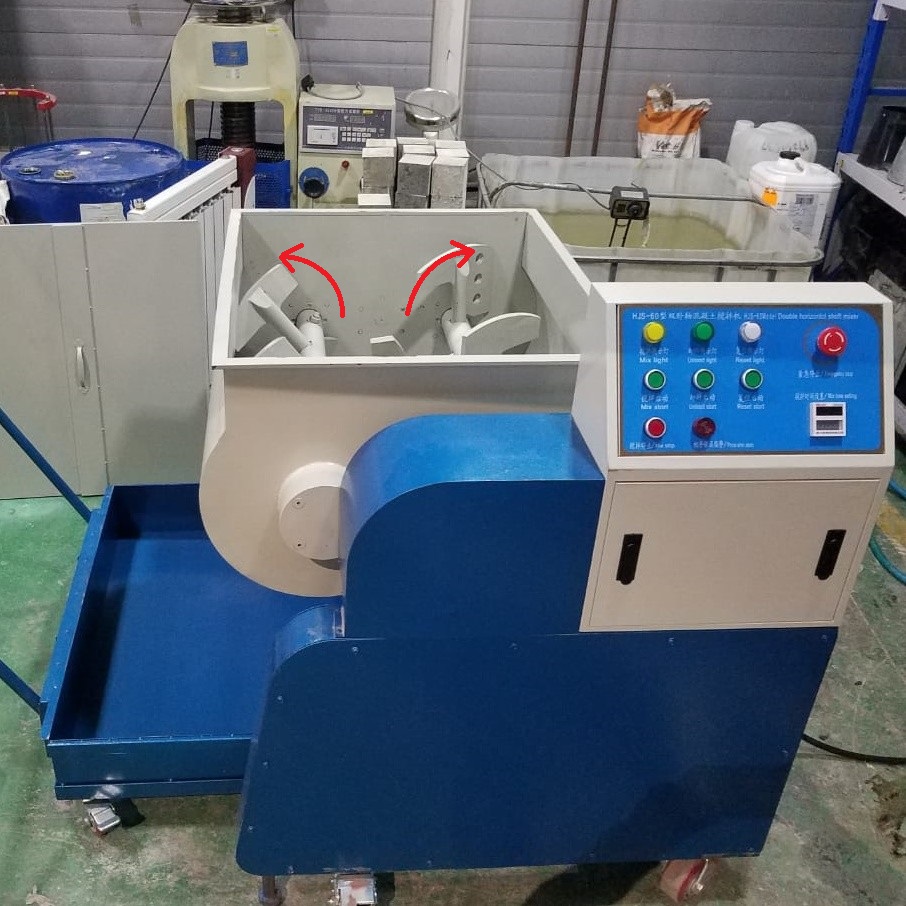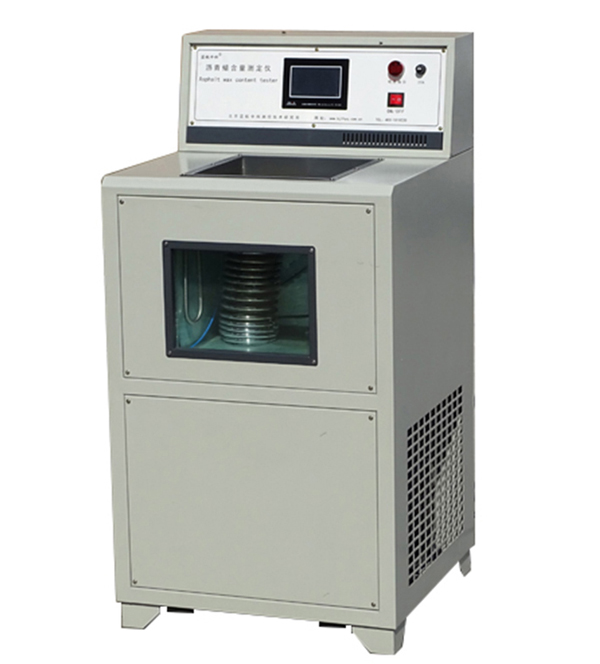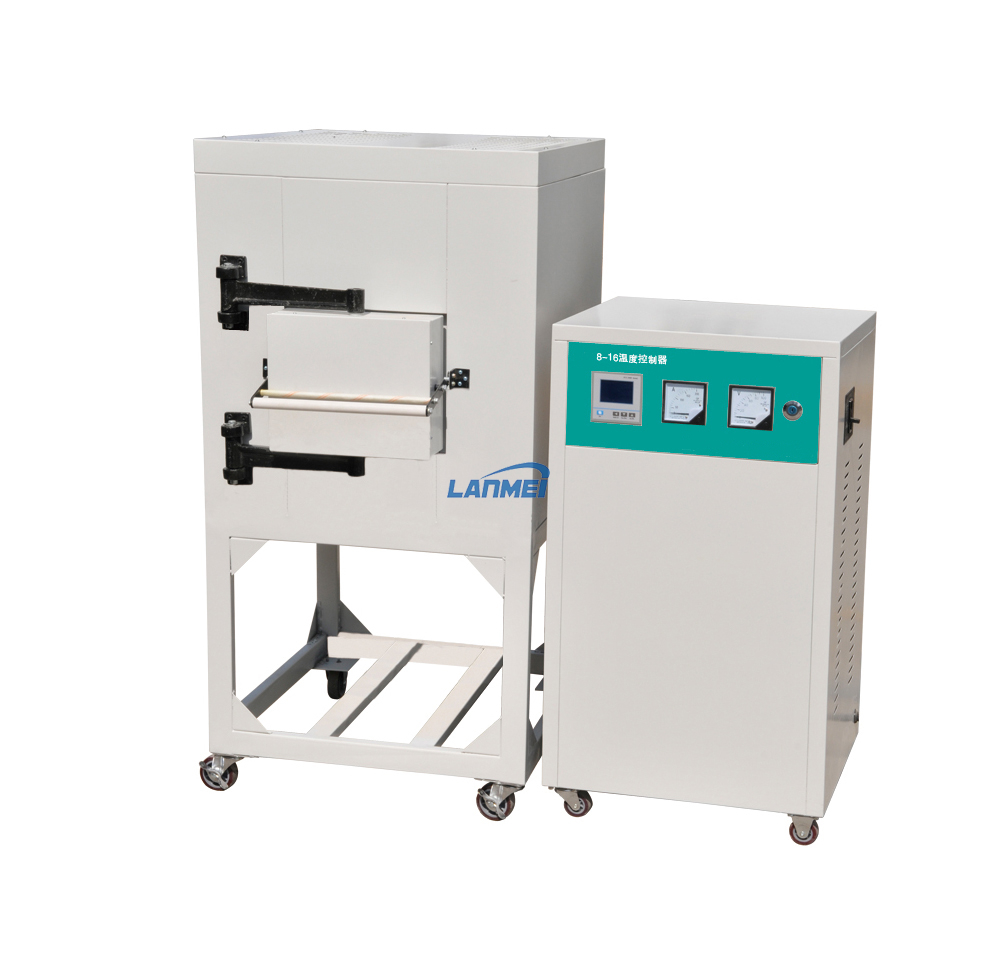
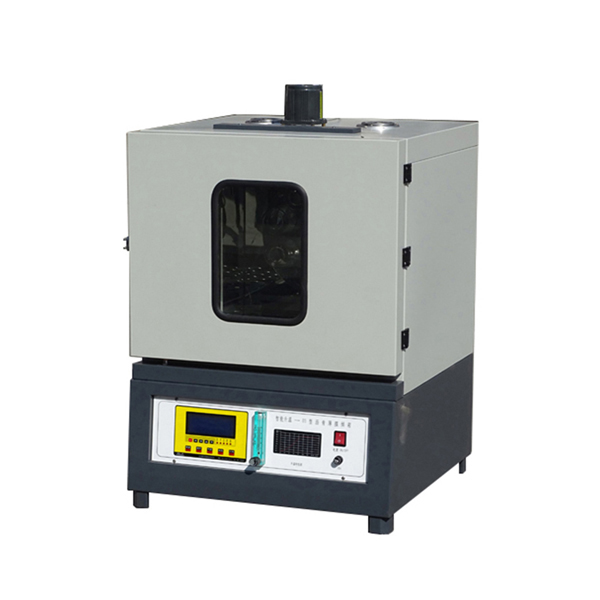
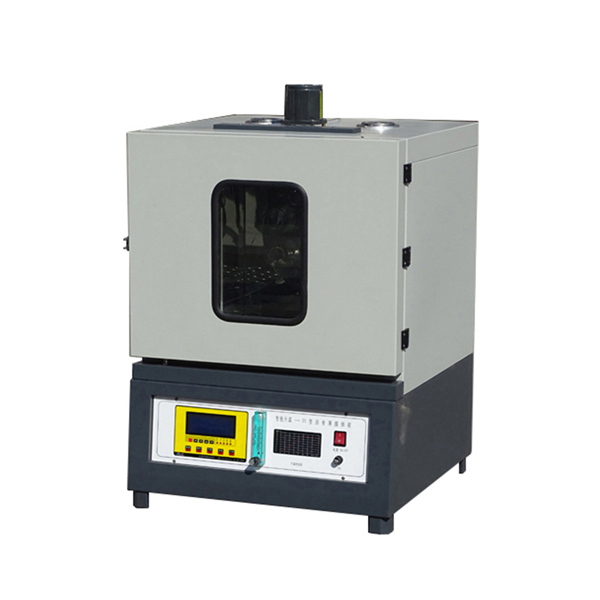
The asphalt rotary film oven (referred to as 85 oven) is designed and manufactured in accordance with the requirements stipulated in the “Test Procedures for Asphalt and Asphalt Mixture in Highway Engineering” (JTG E20-2011) of the People’s Republic of China Industry Standard, specifically T 0610-2011 “Rotary Film Heating Test of Asphalt”. It is suitable for determining the mass loss of road petroleum asphalt after rotary film heating. Additionally, it can be used to measure the changes in properties such as penetration, viscosity, ductility, and brittle point of the asphalt residue after rotary film heating, as needed, to evaluate the aging performance of the asphalt.
Main technical specifications:
Voltage: 220V ± 10%
Frequency: 50Hz
Total power: 3.2 Kw
Air supply volume: 4000 ml/min
The speed of the 5-turn disc is 15 revolutions per minute.
6. Can hold 8 sample bottles.
Operating temperature: 163℃ ± 0.5℃
Studio dimensions: 400×470×440mm
Instrument dimensions: 71 x 62 x 88 (cm)
Weight: 60kg
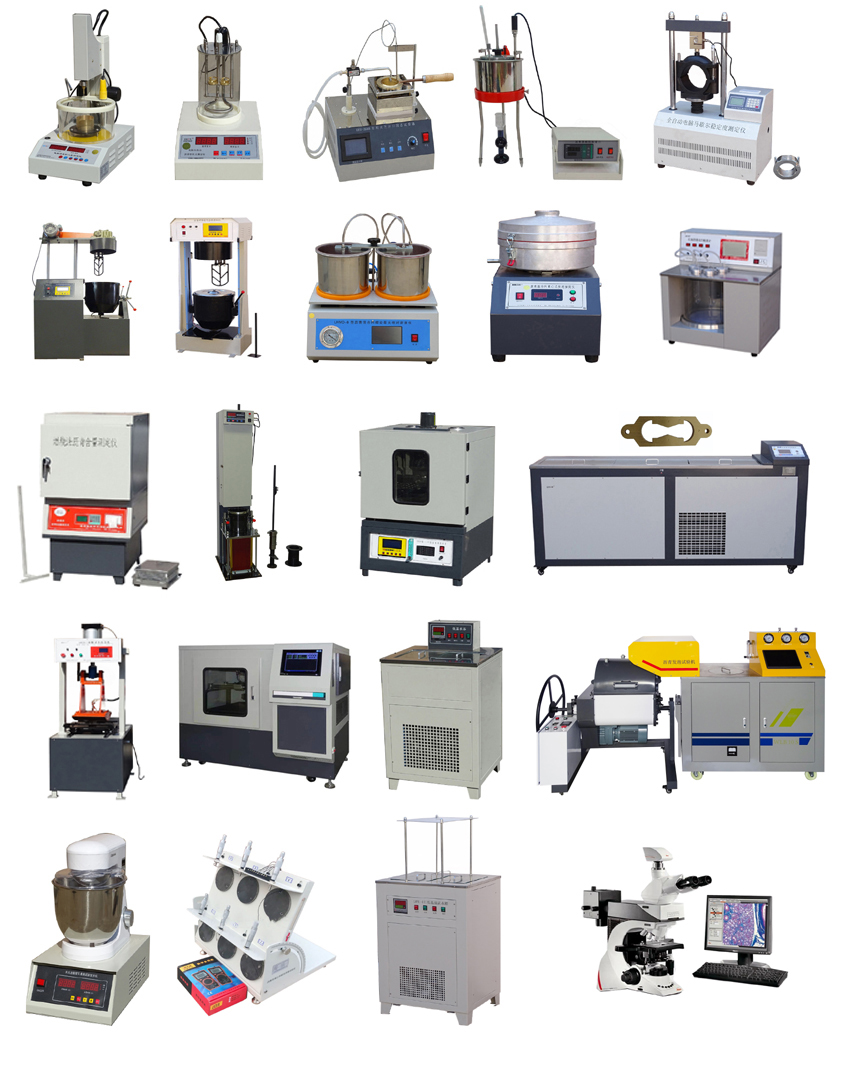
Other asphalt laboratory instruments:
Packing:


Laboratory Asphalt Rotary Thin Film Furnace: Comprehensive Overview
The Laboratory Asphalt Rotating Film Oven (ARFO) is an essential piece of equipment in the asphalt testing industry. This equipment plays a vital role in evaluating the performance of asphalt binders, especially in determining how they perform under a variety of conditions. The ARFO is designed to simulate the aging process of asphalt, which is essential in understanding how asphalt properties change when exposed to environmental factors.
The primary function of a laboratory asphalt rotary film oven is to subject asphalt samples to controlled heat and airflow. This process accelerates the aging of the asphalt, allowing researchers and engineers to evaluate its durability and performance characteristics. The oven operates by rotating a series of sample containers, ensuring that heat is evenly distributed, preventing the formation of hot spots. Uniform heating is critical to obtaining accurate and reliable test results.
One of the great benefits of using a laboratory asphalt rotary film oven is its ability to simulate real road conditions. By aging asphalt samples in a controlled environment, users can predict how the material will perform under actual road conditions. This information is critical for engineers to design asphalt mixes that can withstand the rigors of traffic and weather conditions.
In addition, laboratory asphalt rotary film ovens are equipped with advanced features that enhance their ease of use. Many models are equipped with digital controls to accurately set and monitor the temperature. This ensures consistency and repeatability of the aging process, which is critical for quality control in asphalt production.
In summary, the Laboratory Asphalt Rotary Thin Film Oven is an essential tool in the field of asphalt testing. Its ability to simulate the aging process provides critical information for understanding the performance of asphalt binders, helping to ensure the longevity and safety of roads. As the demand for high-quality asphalt continues to grow, the importance of ARFO in research and development cannot be overstated.
How a Lab Asphalt Rotary Film Oven Simulates Asphalt Aging for Performance Testing
Aging of asphalt binders is a critical factor affecting pavement durability and long-term performance. The Asphalt Laboratory Film Oven, specifically the Asphalt Rotary Film Oven, is designed to simulate short-term asphalt aging under controlled laboratory conditions. By heating thin films of asphalt mixture at precise temperatures while rotating, the instrument closely replicates the thermal and oxidative conditions experienced by asphalt during mixing and paving. This process provides engineers with essential data to assess the binder’s workability, consistency, and susceptibility to cracking or rutting.
Cangzhou Blue Beauty Instrument Co., Ltd. is a high-tech enterprise integrating research and development, manufacturing, and sales. The company concentrates outstanding scientific research personnel and leverages a modern production base to develop laboratory equipment, construction instruments, and physical testing devices. Since its early production of cement softening instruments in 1978, the company has continuously upgraded its equipment, producing instruments with high technological content, high automation levels, and ease of operation. The Asphalt Laboratory Film Oven embodies decades of technical refinement, delivering accurate, repeatable simulation results for asphalt aging tests.
During testing, specimens are evenly spread into thin films on trays or dishes and placed into the rotating chamber. The rotation ensures uniform exposure to heat and air, avoiding localized overheating or incomplete oxidation. The resulting data from the Asphalt Film Oven is vital for predicting field performance, designing durable asphalt mixes, and optimizing binder selection. Compared with traditional static heating methods, the rotary film method produces more consistent and reliable results, enhancing laboratory confidence in material evaluation.
With strict adherence to ISO9001:2008 and GB/T190001-2008 quality standards, every Asphalt Laboratory Film Oven produced by Cangzhou Blue Beauty Instrument Co., Ltd. undergoes rigorous inspection throughout production, assembly, and service processes. These quality controls ensure the reliability of results and the longevity of the equipment, making it widely trusted in laboratories, universities, road construction agencies, and petroleum industries worldwide.
Key Features and Advantages of an Asphalt Rotary Film Oven in Laboratory Testing
The Asphalt Rotary Film Oven offers multiple features that make it indispensable for laboratory asphalt testing. One of the key advantages is precise temperature control, which ensures that asphalt samples experience uniform thermal exposure. Accurate temperature regulation is essential, as even minor fluctuations can lead to inconsistent aging and unreliable test data. Combined with the rotary mechanism, this creates uniform oxidative conditions across the asphalt films, producing reproducible results.
Cangzhou Blue Beauty Instrument Co., Ltd. specializes in building materials instruments and construction laboratory equipment. Located in Botou Industrial Development Zone, the company benefits from advanced production facilities and skilled technical personnel. Over decades, the company has developed instruments that balance high automation with ease of use, including automatic rotation systems, timers, and precise temperature sensors in its Asphalt Laboratory Film Oven. This ensures laboratory staff can operate the equipment efficiently while maintaining high accuracy.
Automation is another distinguishing feature. The Asphalt Film Oven allows for programmable heating cycles, continuous rotation, and controlled air flow, reducing manual intervention and minimizing operator error. This level of automation not only improves consistency but also enhances laboratory productivity, enabling multiple samples to be processed simultaneously without compromising test reliability.
Durability and maintenance ease are further advantages. The instrument is constructed using high-quality stainless steel chambers, reliable heating elements, and reinforced rotation mechanisms, ensuring stable performance over years of daily use. Cangzhou Blue Beauty Instrument Co., Ltd. also integrates digital monitoring and safety features to protect both users and samples during the aging process, making the Asphalt Laboratory Film Oven suitable for a wide range of laboratory environments and applications.
With a strong international presence, exporting to over 60 countries including England, France, Russia, Japan, South Korea, and Malaysia, the company has gained global recognition. Its Asphalt Rotary Film Oven is trusted by research institutions, university labs, and quality control agencies for consistent, accurate, and reproducible asphalt aging results.
Applications of Asphalt Aging Testing Using a Rotary Film Oven in Pavement Design
The Asphalt Film Oven is widely applied in pavement material research, mix design, and quality control. By simulating short-term aging of asphalt binders, the instrument provides critical information for evaluating how asphalt behaves during mixing, transportation, and laying. The data helps engineers select the right binder grade, predict potential performance issues, and optimize asphalt mixture formulations for durability and road safety.
In research institutions and universities, the Lab Asphalt Rotary Film Oven supports academic study of asphalt properties. Students and engineers can conduct experiments to assess oxidative aging effects on viscosity, penetration, softening point, and rheological properties. This capability enables comprehensive research on new binder types, additives, or modification techniques, fostering innovation in pavement engineering and materials science.
For construction and quality control, the Asphalt Rotary Film Oven allows laboratories to replicate real-world aging in a controlled setting. Comparing aged samples with original material ensures compliance with technical specifications and design requirements, reducing the risk of premature cracking, rutting, or binder failure in pavements. It is particularly useful for projects in regions with extreme temperatures, heavy traffic loads, or demanding service conditions.
Cangzhou Blue Beauty Instrument Co., Ltd. has a proven track record of providing reliable and precise laboratory instruments for the road, construction, chemical, and petroleum industries. By combining high automation, ease of operation, and rigorous quality management, the company ensures that its Asphalt Laboratory Film Oven meets international standards and delivers accurate, consistent results. Its wide export network underscores the trust global customers place in the equipment for research, testing, and quality assurance applications.
With decades of experience, continuous technological innovation, and strict adherence to ISO9001:2008 quality standards, Cangzhou Blue Beauty Instrument Co., Ltd. continues to support the advancement of pavement engineering worldwide. The Asphalt Film Oven remains an essential tool for laboratories seeking reliable data to improve asphalt mix design, material evaluation, and long-term pavement performance.