
Comprehensive Guide To Standard Curing Chamber For Concrete Applications
Standard Curing Chamber For Concrete: A Comprehensive Guide
Maintaining optimal temperature and humidity is critical for achieving high-strength, durable concrete. A standard curing chamber for concrete provides a controlled environment to ensure consistent hydration, minimizing cracking and maximizing performance. This article will explore the importance of concrete curing, the benefits of using a dedicated chamber, key features to consider, and applications across various construction projects. Properly cured concrete is more resistant to wear, weathering, and chemical attacks, leading to longer-lasting structures.
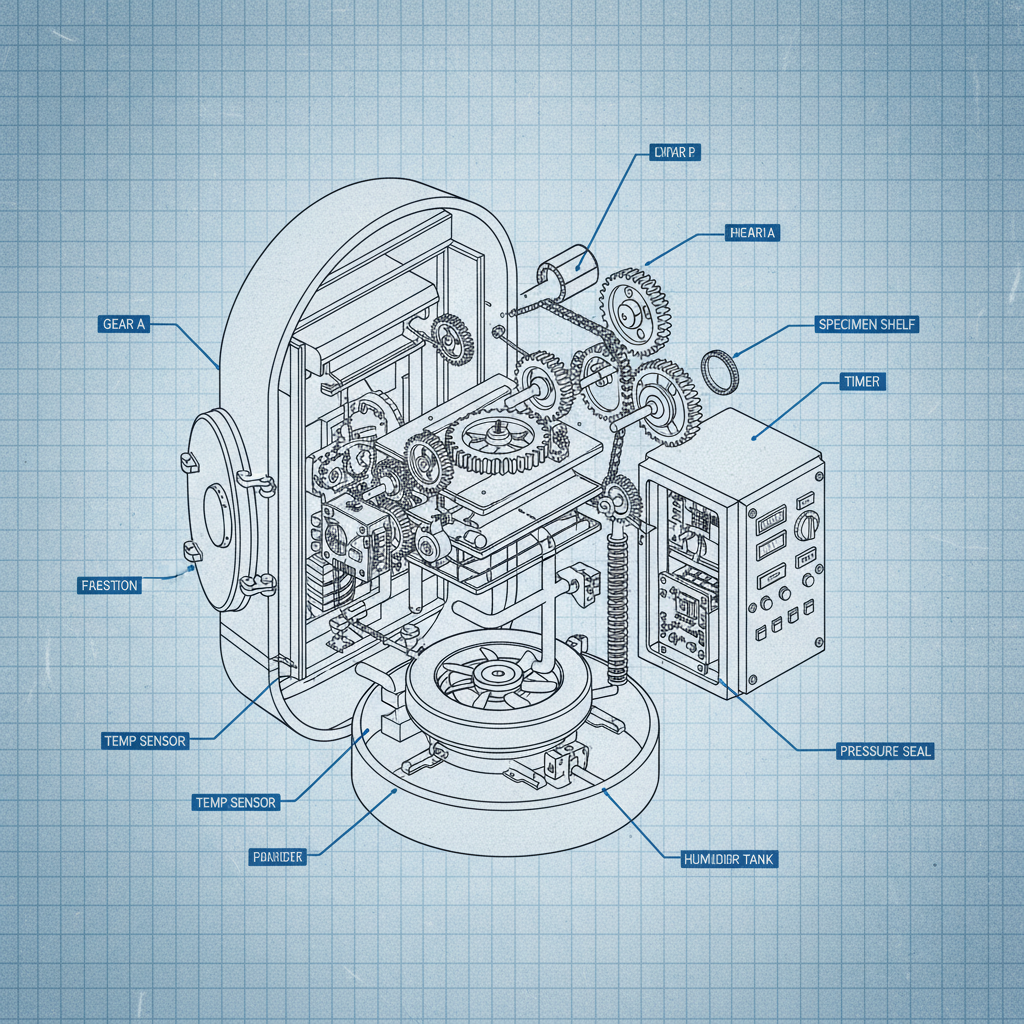
Why is Controlled Curing Essential for Concrete?
Concrete gains strength through a process called hydration, a chemical reaction between cement and water. This reaction requires specific temperature and humidity conditions to proceed efficiently. Insufficient moisture leads to premature drying and cracking, while extreme temperatures can disrupt the hydration process, weakening the concrete. A standard curing chamber maintains these crucial conditions, ensuring consistent and predictable concrete strength development. This translates to improved durability, reduced maintenance costs, and enhanced structural integrity for long-term performance. Proper curing is not just a best practice; it's fundamental to the longevity and reliability of any concrete structure.
Key Benefits of Controlled Curing: Improved concrete strength, reduced cracking, enhanced durability, minimized maintenance, and prolonged lifespan of structures.
Key Features of a Standard Curing Chamber For Concrete
A high-quality concrete curing chamber typically incorporates several essential features: precise temperature control (often ranging from 5°C to 50°C), humidity control (maintaining 90-95% relative humidity), a robust insulation system for energy efficiency, and a user-friendly control panel for easy operation. Advanced models may include data logging capabilities to monitor and record curing parameters, ensuring traceability and quality control. The chamber's construction materials should be corrosion-resistant to withstand the humid environment. The size of the chamber is also a critical consideration, based on the volume and dimensions of concrete specimens to be cured.
Essential Features:
• Precise Temperature Control
• High Humidity Control
• Robust Insulation
• User-Friendly Control Panel
Standard Curing Chamber For Concrete vs. Field Curing Methods
While field curing methods like water ponding, wet burlap, and plastic sheeting are commonly used, they often suffer from inconsistencies and limitations. Field curing is susceptible to environmental fluctuations, making it difficult to maintain uniform temperature and humidity. A standard curing chamber provides a significantly more controlled and reliable environment, ensuring consistent results. It also eliminates the labor and material costs associated with traditional field curing methods. Furthermore, chamber curing allows for efficient use of space, especially in laboratory settings.
Applications of Concrete Curing Chambers
Standard curing chambers are widely used in various applications, including: quality control testing in concrete production plants, research and development laboratories, civil engineering projects, precast concrete element manufacturing, and the evaluation of cementitious materials. They are particularly crucial when testing concrete mixes with specialized admixtures or evaluating the performance of high-strength concrete. These chambers help ensure compliance with industry standards and regulatory requirements.
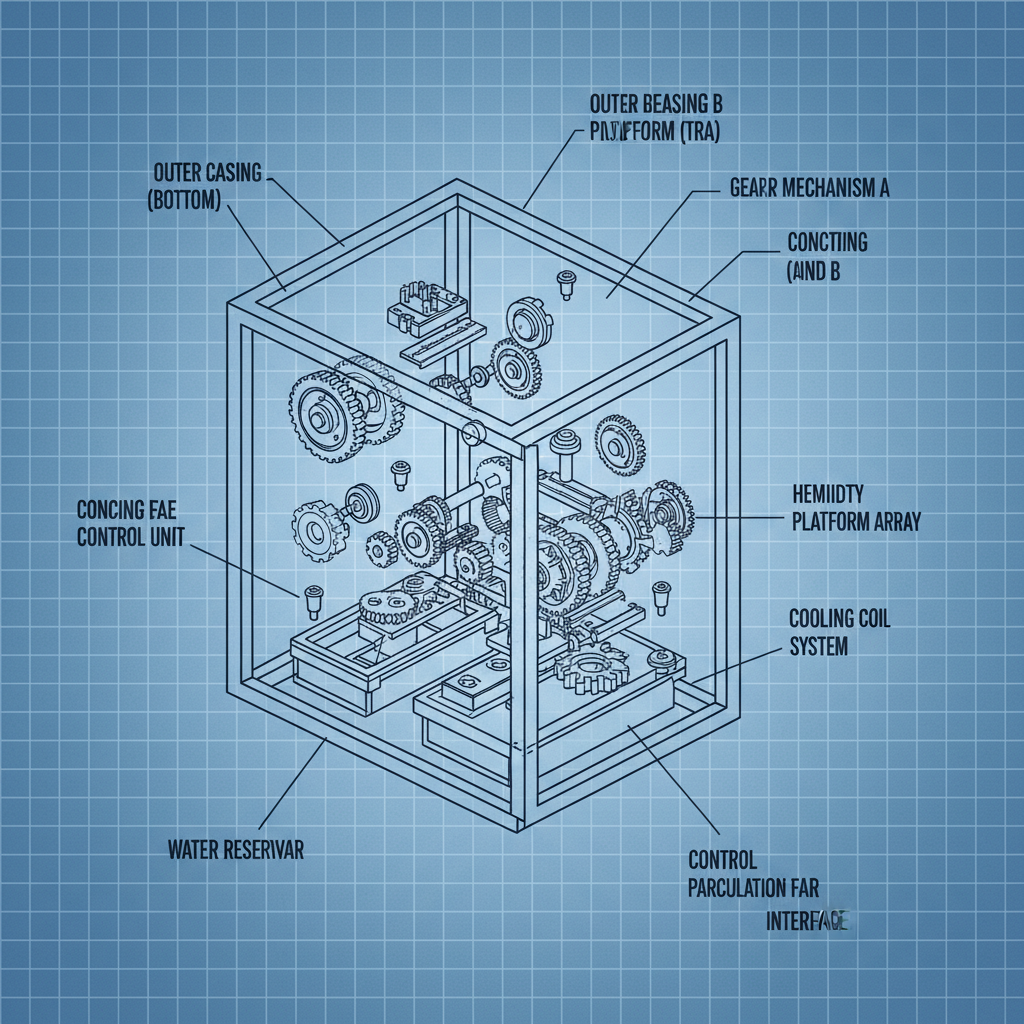
Choosing the Right Standard Curing Chamber: Key Considerations
When selecting a concrete curing chamber, consider the following factors: chamber size (based on sample volume), temperature and humidity control accuracy, chamber material (corrosion resistance), power requirements, ease of operation, data logging capabilities, and compliance with relevant standards (ASTM, EN). It’s also vital to choose a reputable manufacturer with a proven track record of quality and reliability. CZ Lab Instrument offers a range of high-performance curing chambers designed to meet diverse testing needs.
Conclusion: Investing in Precision Concrete Curing
A standard curing chamber for concrete is an indispensable tool for ensuring the quality, durability, and longevity of concrete structures. By providing a controlled environment for hydration, it minimizes cracking, maximizes strength, and reduces the risk of premature failure. Investing in a reliable curing chamber is a smart investment in the long-term performance of your construction projects.
Frequently Asked Questions (FAQs)
What temperature and humidity levels are typically used in a concrete curing chamber?
The standard temperature for concrete curing is generally 23°C (73°F) and humidity is maintained at 95% relative humidity. However, specific requirements may vary depending on the type of cement, concrete mix design, and applicable industry standards. Some concrete mixes require lower or higher temperatures for optimal hydration. It is crucial to consult relevant standards and material specifications to determine the appropriate curing parameters for your specific application. Our chambers provide precise control, enabling you to replicate these conditions accurately.
How often should the temperature and humidity be monitored in the chamber?
Temperature and humidity should be monitored continuously throughout the curing process. Many modern curing chambers, including those offered by CZ Lab Instrument, feature built-in data logging capabilities that automatically record these parameters at regular intervals. This data provides a verifiable record of curing conditions for quality control and compliance purposes. Even without data logging, visual checks of the control panel gauges are necessary at least twice a day.
What type of concrete specimens can be cured in a standard chamber?
A standard curing chamber can accommodate a wide range of concrete specimens, including cylindrical molds, beams, cubes, and mortar samples. The chamber size dictates the maximum dimensions of specimens that can be accommodated. The chamber’s internal shelving can also be adjusted to accommodate different sample sizes and configurations.
How does a curing chamber compare to steam curing?
Steam curing accelerates the hydration process using high-pressure steam. While it provides rapid strength gain, it can sometimes lead to micro-cracking due to thermal stress. A standard curing chamber provides a more controlled and gentle curing environment, promoting more consistent and durable concrete. Steam curing is often used for precast concrete elements where rapid turnover is essential, but it's not always ideal for high-performance or sensitive concrete mixes.


