
Automatic Blaine Tests Of Cement Ensuring Quality And Consistency In Production
Automatic Blaine Tests Of Cement: Ensuring Quality and Consistency
The Blaine test is a critical quality control measure in cement production, determining the fineness of cement particles. This directly impacts cement hydration rates, strength development, and overall performance. Traditionally a manual and time-consuming process, modern automatic Blaine tests of cement offer unparalleled accuracy, efficiency, and repeatability. This article will delve into the principles of the Blaine test, the advantages of automated systems, and how they contribute to enhanced cement quality. We'll explore the benefits for manufacturers looking to optimize their production processes and maintain stringent quality control standards.
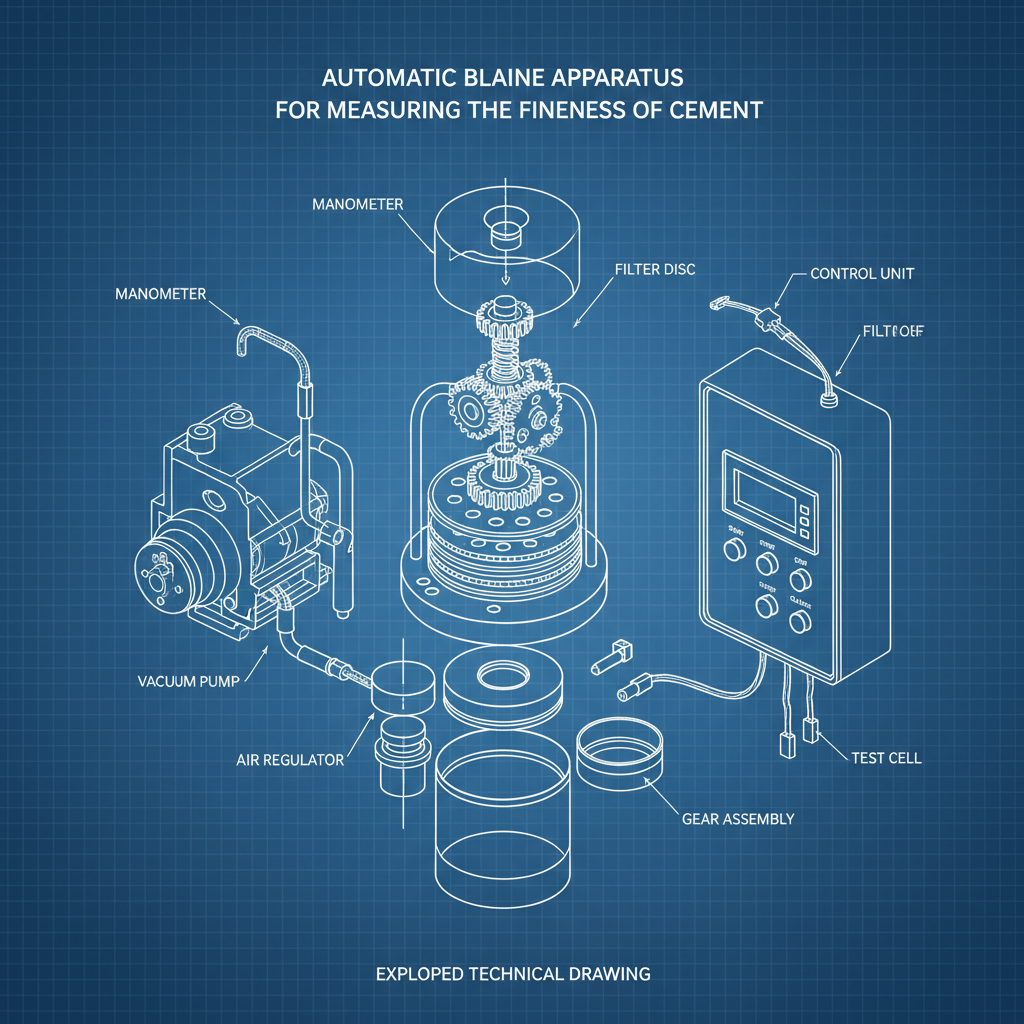
Understanding the Blaine Test and its Significance
The Blaine test, formally known as the air permeability method (ASTM C150), measures the specific surface area of cement. This is achieved by forcing air through a packed bed of cement and measuring the resistance to airflow. A higher specific surface area indicates finer cement particles, leading to faster hydration and earlier strength gain. Accurate Blaine testing is vital for: Quality Control: Ensuring cement meets required specifications. Process Optimization: Monitoring grinding efficiency and adjusting parameters. Predictive Performance: Correlating fineness with cement strength and durability. Without precise Blaine testing, cement manufacturers risk producing inconsistent batches, potentially leading to structural failures and compromised project outcomes.
Key Highlights: Accurate measurement of cement fineness is critical for predicting strength and durability. Automated Blaine testers significantly improve efficiency and reduce human error.
The Benefits of Automatic Blaine Tests Of Cement
Switching from manual to automatic Blaine tests delivers several key advantages. These include Increased Throughput: Automated systems perform tests much faster than manual methods. Enhanced Accuracy: Minimizing human error through precise instrumentation and controlled environments. Improved Repeatability: Consistent results ensuring reliable quality control. Reduced Labor Costs: Automating the process frees up personnel for other tasks. Data Management: Many automated systems offer data logging and analysis capabilities for comprehensive quality tracking. These benefits translate directly into cost savings, improved product quality, and a more efficient production process.
Advantages of Automation:
• Increased throughput and efficiency
• Enhanced accuracy and repeatability
• Reduced labor costs and human error
• Improved data management and traceability
Automatic Blaine Tests Of Cement vs. Manual Methods: A Comparative Analysis
Manual Blaine testing, while still used in some instances, is prone to inconsistencies due to variations in operator technique, environmental factors, and the subjective interpretation of results. Automatic systems eliminate these variables, providing a more objective and reliable assessment of cement fineness. Consider the following comparison:
Key Features to Look for in an Automatic Blaine Tester
When selecting an automatic Blaine tester, consider these essential features: Automated Sample Handling: Streamlines the testing process. Precise Airflow Control: Ensures accurate and repeatable measurements. Digital Display and Data Logging: Provides clear results and facilitates data analysis. User-Friendly Interface: Simplifies operation and minimizes training requirements. Compliance with Standards: Meets relevant ASTM and EN standards. Robust Construction: Guarantees long-term reliability and durability. At CZ Lab Instrument, we offer cutting-edge Blaine testers designed to meet the evolving needs of the cement industry.
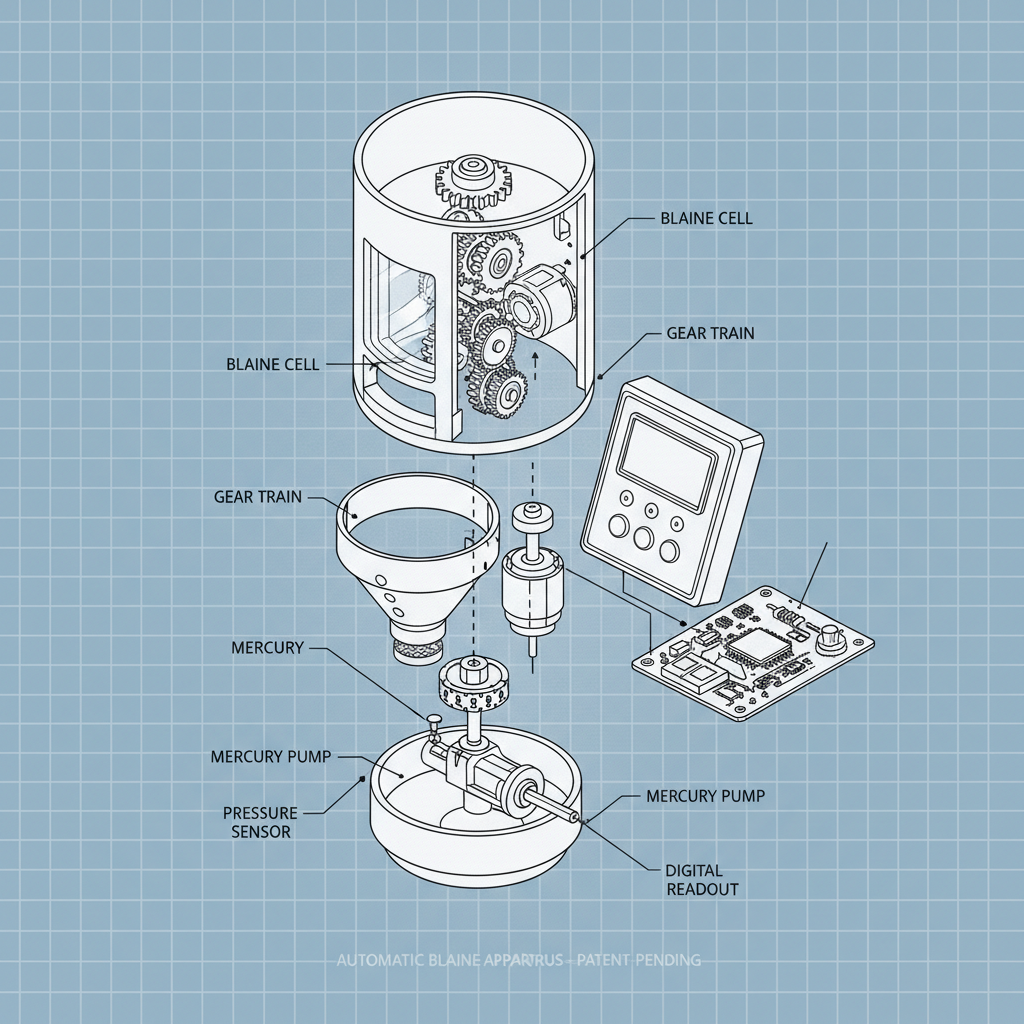
Conclusion: Investing in Quality Control with Automatic Blaine Testing
Investing in an automatic Blaine test of cement is a strategic decision for any cement manufacturer committed to quality, efficiency, and consistency. The benefits of increased accuracy, reduced labor costs, and improved data management far outweigh the initial investment. By embracing automation, cement producers can optimize their processes, enhance product performance, and maintain a competitive edge in the market.
Frequently Asked Questions (FAQs)
What type of cement can be tested with an automatic Blaine tester?
Automatic Blaine testers are versatile and can be used to determine the fineness of various types of cement, including Portland cement, Portland Pozzolana cement, Portland Slag cement, and others. The key is to ensure the sample preparation follows the standards outlined in ASTM C150. The automated process ensures consistent and accurate results regardless of the cement type, providing valuable data for quality control and performance prediction.
How often should the Blaine tester be calibrated?
Regular calibration is essential to maintain the accuracy and reliability of the Blaine tester. We recommend calibrating the instrument every six months, or more frequently if the tester is used extensively or experiences significant environmental fluctuations. Calibration should be performed by a qualified technician using certified reference materials to ensure traceability and adherence to industry standards. At CZ Lab Instrument, we provide comprehensive calibration services.
What is the typical sample size required for a Blaine test?
The standard sample size for a Blaine test, as specified in ASTM C150, is approximately 1 gram. However, the precise amount may vary depending on the specific instrument and the density of the cement. It’s crucial to accurately weigh the sample to ensure consistent and reliable results. Accurate sample preparation is a key aspect of obtaining valid Blaine test data.
What data is typically generated by an automatic Blaine tester?
Automatic Blaine testers generate a variety of valuable data points, including the specific surface area of the cement in cm²/g, the air permeability in cm³/s, and testing time. Many systems also offer data logging and statistical analysis capabilities, allowing for trend monitoring, quality control charting, and comprehensive reporting. This data can be used to optimize grinding processes, monitor cement quality, and ensure compliance with industry standards.


