
Comprehensive Guide to Surface Area Instruments and Their Diverse Applications
Understanding Surface Area Instruments and Their Applications
Surface area is a critical parameter in various scientific and industrial fields, influencing reaction rates, adsorption capacities, and material properties. Determining this characteristic accurately requires specialized instruments, collectively known as Surface Area Instruments. This article delves into the principles, types, applications, and considerations when selecting these vital pieces of equipment. Precise surface area measurement is fundamental for research and quality control across industries. We will explore how these instruments play a crucial role in advancing material science and technology.
What are Surface Area Instruments?
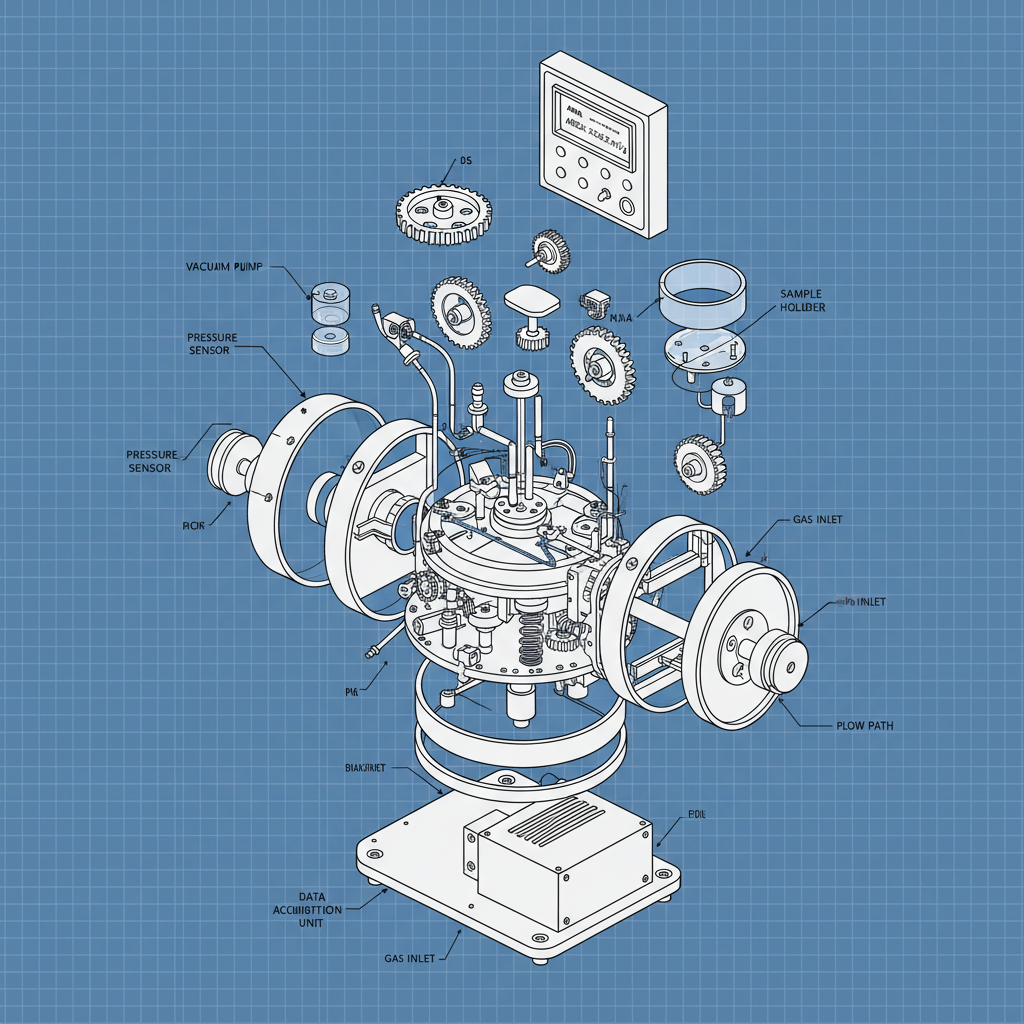
Surface Area Instruments are devices designed to quantify the total surface area of a material. The most widely used technique is Brunauer-Emmett-Teller (BET) analysis, which employs gas adsorption. These instruments function by exposing a material to a gas (typically nitrogen) at a controlled temperature and pressure. The amount of gas adsorbed is directly proportional to the surface area. Different types of instruments exist, each employing variations of the core BET principle or utilizing alternative methods. Understanding the underlying principle of gas adsorption is crucial for interpreting the results obtained from these instruments.
Key Concept: BET analysis utilizes the physical adsorption of gas molecules to determine the total surface area of a material, providing valuable insights into its properties and behavior.
Types of Surface Area Instruments
Several types of surface area instruments are available, catering to different needs and applications. The most common include volumetric and dynamic instruments. Volumetric instruments measure the volume of gas adsorbed, while dynamic instruments measure the flow rate of gas. Other specialized instruments employ techniques like mercury porosimetry for larger pore size analysis. Choosing the right instrument depends on the sample type, desired accuracy, and application requirements. Understanding the strengths and limitations of each instrument type is crucial for selecting the most suitable option.
Instrument Comparison:
• Volumetric Instruments: High accuracy, suitable for low surface area samples.
• Dynamic Instruments: Faster analysis, suitable for a wider range of surface areas.
• Mercury Porosimeters: For determining pore size distribution in larger pores.
Applications of Surface Area Analysis
Surface area analysis finds broad application across numerous industries. In catalysis, it’s used to characterize catalyst supports and active materials. In materials science, it’s essential for understanding the properties of powders, nanoparticles, and porous materials. Pharmaceutical companies utilize surface area measurements to optimize drug delivery systems. The environmental sector employs these instruments for studying soil and pollutant adsorption. Accurate surface area data is paramount for process optimization and product development across these diverse fields. Discover how CZ Lab Instrument can support your research.
Choosing the Right Surface Area Instrument
Selecting the optimal Surface Area Instrument requires careful consideration of several factors. These include the type of material being analyzed, the required accuracy, the range of surface areas to be measured, and the budget constraints. It's also important to consider the ease of use, maintenance requirements, and the availability of technical support. CZ Lab Instrument provides a comprehensive range of instruments and expert guidance to assist you in making the right decision.
Key Considerations for Accurate Surface Area Measurement
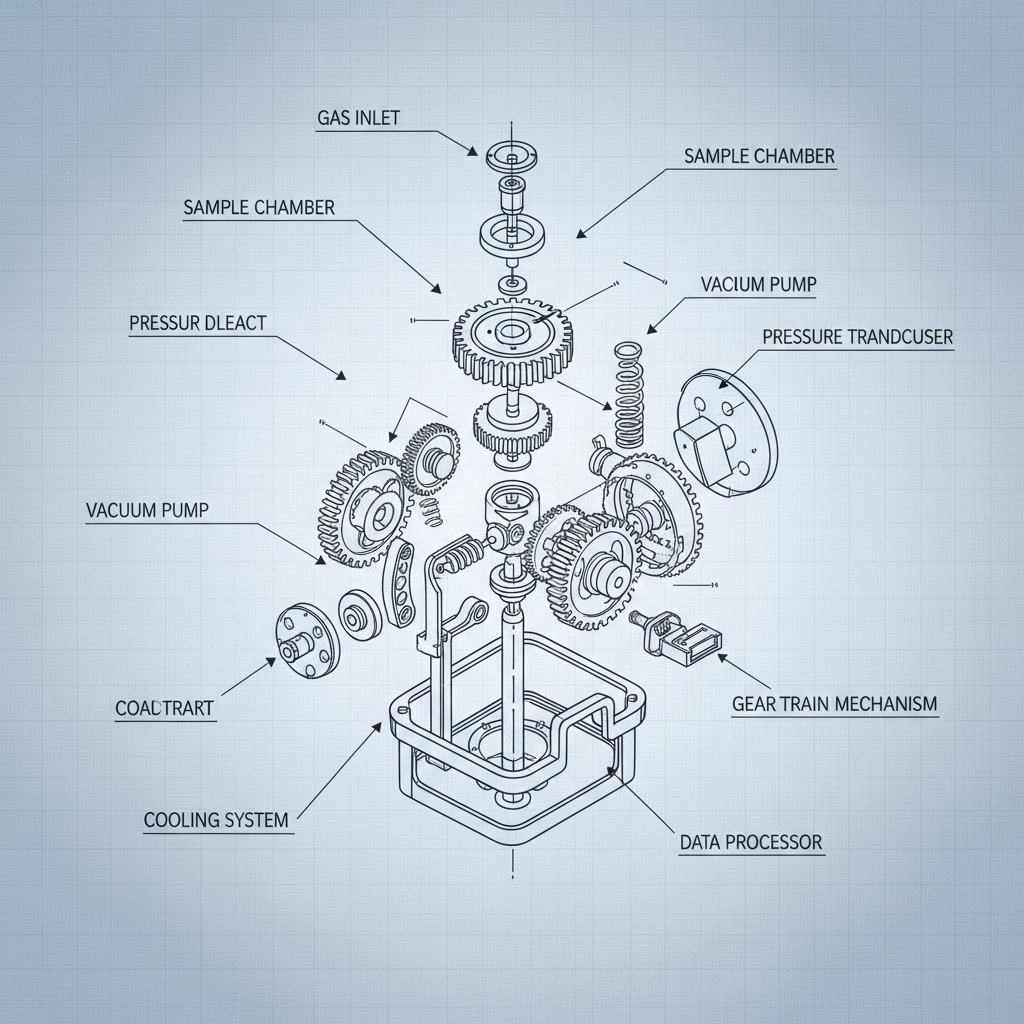
Achieving accurate surface area measurements necessitates meticulous attention to detail. Proper sample preparation is paramount, ensuring the material is dry, degassed, and representative of the bulk sample. Maintaining a clean instrument and using calibrated gases are also critical. Furthermore, selecting the appropriate analysis parameters, such as the adsorption temperature and pressure range, is essential for obtaining reliable results. Regular instrument calibration and quality control checks are vital for ensuring data accuracy and reproducibility. Consult with experts at CZ Lab Instrument for guidance on optimizing your measurement protocols.
Conclusion: Empowering Research with Precise Surface Area Analysis
Accurate surface area measurement is indispensable for advancing scientific understanding and driving innovation across diverse fields. By choosing the right Surface Area Instrument and adhering to best practices, researchers and engineers can unlock valuable insights into material properties and optimize processes for enhanced performance. CZ Lab Instrument is dedicated to providing cutting-edge solutions and expert support to empower your research endeavors.
Frequently Asked Questions (FAQs)
What is the importance of degassing a sample before surface area analysis?
Degassing removes adsorbed contaminants, such as water vapor and residual gases, from the sample surface. These contaminants can significantly interfere with the adsorption of the analysis gas (typically nitrogen), leading to inaccurate surface area measurements. Degassing is typically performed under vacuum and elevated temperature to ensure complete removal of these contaminants. The degassing procedure must be optimized for each material to avoid altering its structure or properties. Failure to properly degas the sample can result in overestimation of the true surface area.
What is the difference between BET and BJH analysis?
BET (Brunauer-Emmett-Teller) analysis determines the total surface area of a material by measuring the amount of gas adsorbed at different partial pressures. BJH (Barrett-Joyner-Halenda) analysis, on the other hand, is used to determine the pore size distribution within a material. BJH analysis utilizes the BET data in conjunction with capillary condensation theory to calculate the pore size distribution. While BET provides a single value for total surface area, BJH provides a more detailed characterization of the pore structure.
How do I ensure accurate gas adsorption measurements?
Accuracy in gas adsorption measurements relies on several key factors. Proper sample preparation, including thorough degassing, is essential. The instrument must be calibrated regularly using certified reference materials. Maintaining a leak-tight system is crucial to prevent errors in pressure measurement. The choice of adsorption gas and temperature should be appropriate for the material being analyzed. Finally, careful data analysis and interpretation are necessary to obtain reliable results. CZ Lab Instrument provides comprehensive training and support to ensure accurate and reproducible measurements.
What are the limitations of Surface Area Analysis?
While powerful, surface area analysis has limitations. It primarily measures the external surface area and may not accurately reflect the internal surface area of highly porous materials with very small pores. The accuracy of the measurement is dependent on the assumptions made during data analysis. It's also important to note that surface area analysis provides an average value and doesn't reveal information about the distribution of surface area or the chemical nature of the surface.


