Soil CBR (California Bearing Ratio) test equipment is crucial for evaluating the bearing capacity of soils used in road construction, airport runways, and foundation engineering. Globally, infrastructure development relies heavily on accurate soil assessment, and the CBR test is a widely adopted standard due to its simplicity and cost-effectiveness. The demand for reliable Soil CBR test equipment is increasing alongside growing infrastructure projects, particularly in developing nations experiencing rapid urbanization.
The global construction industry is projected to reach trillions of dollars in the coming years, according to reports from organizations like the UN and the World Bank. This growth fuels the need for robust materials testing, where Soil CBR test equipment plays a vital role. Insufficient soil assessment can lead to premature pavement failure, costly repairs, and even structural instability, highlighting the critical importance of precise testing methods.
The reliability of transportation networks and the safety of buildings are directly linked to the accurate determination of soil bearing capacity. The availability of advanced and calibrated Soil CBR test equipment is, therefore, not just a technical concern but a fundamental element of economic development and public safety.

Introduction to Soil CBR Test Equipment
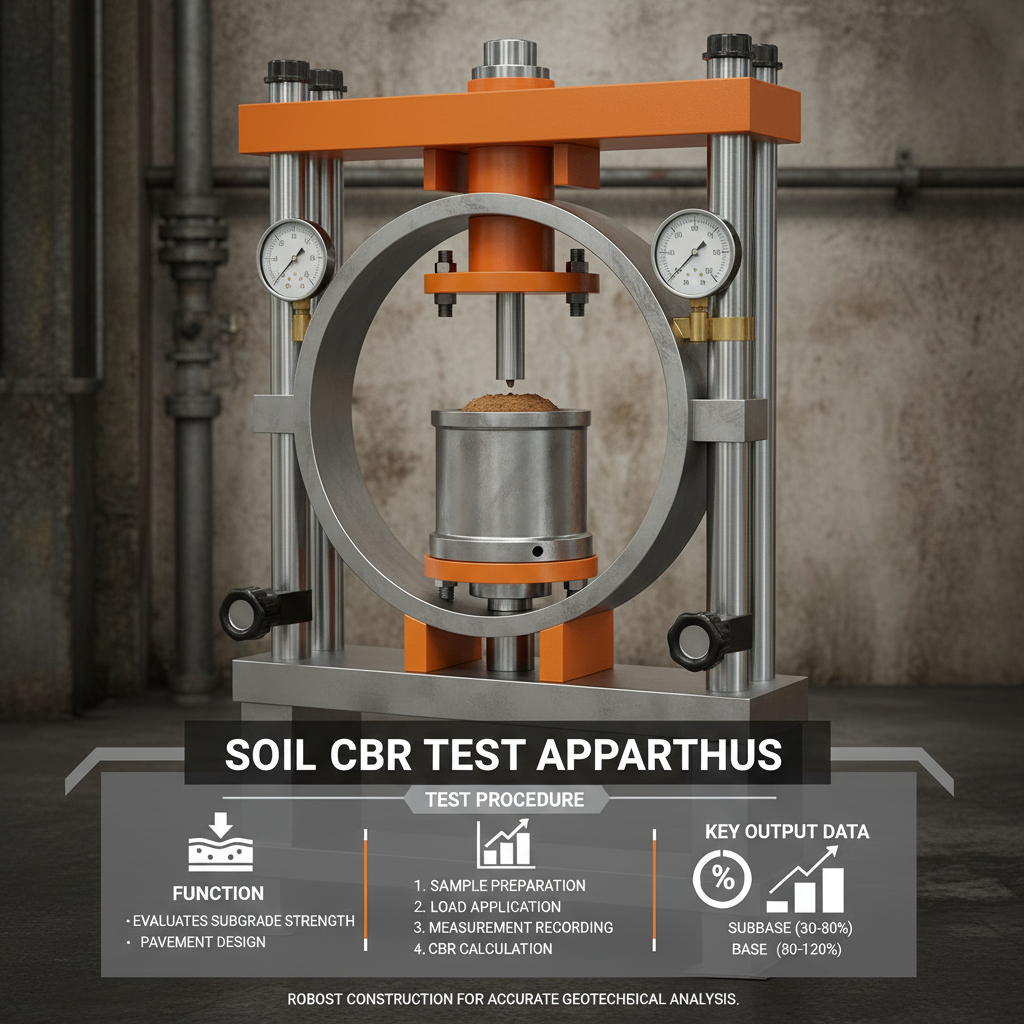
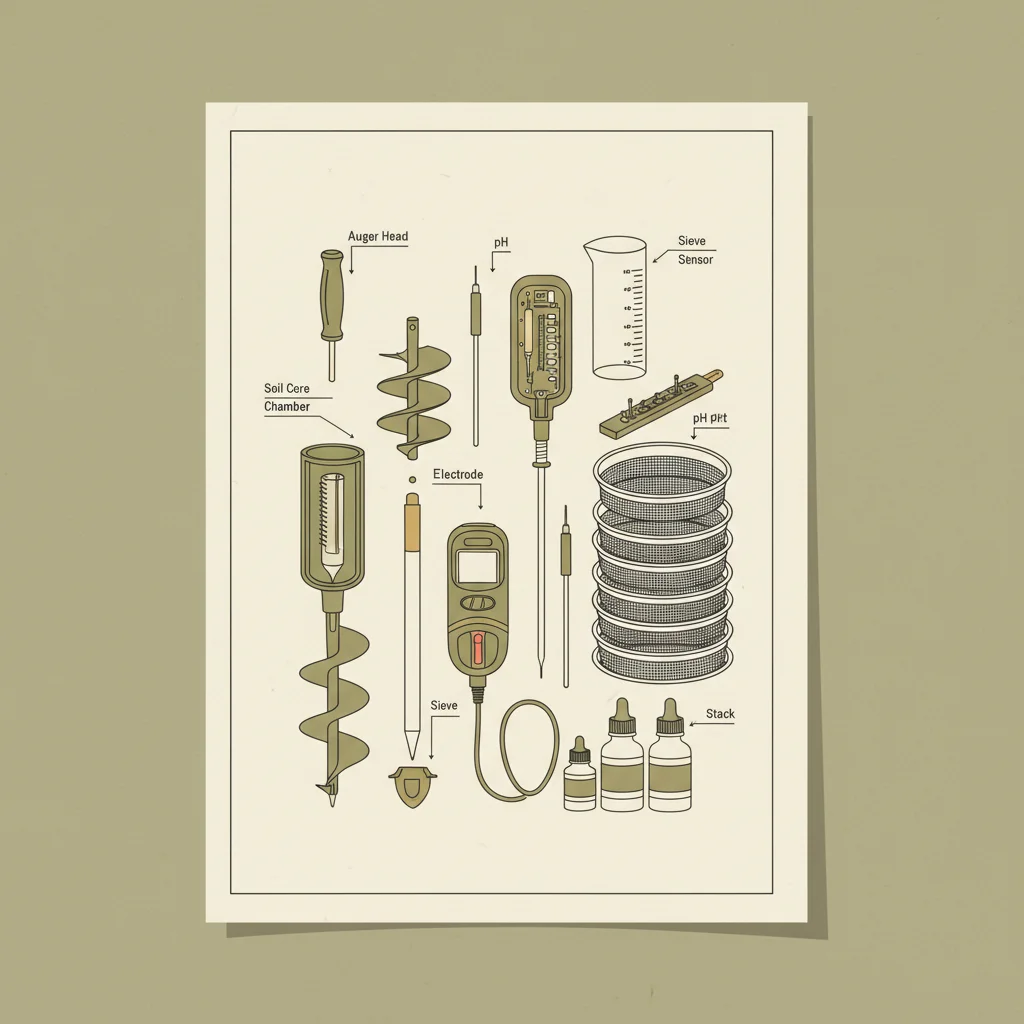
Soil CBR test equipment encompasses a range of tools and apparatus designed to determine the bearing capacity of soil subgrades. These systems are essential for civil engineering projects, allowing engineers to assess the suitability of soil for supporting structures like roads, buildings, and pavements. A complete set generally includes a loading frame, penetration piston, dial gauges, and molds for sample preparation.
The accuracy and reliability of this equipment are paramount, as they directly impact the long-term performance and safety of infrastructure projects. Investing in high-quality Soil CBR test equipment ensures consistent and dependable results, ultimately reducing the risk of costly failures and enhancing project sustainability.
Understanding CBR Test Principles
The California Bearing Ratio (CBR) test, facilitated by Soil CBR test equipment, is a penetration test used to evaluate the shear strength of cohesive soils and their suitability as a subgrade for road construction. The test involves measuring the resistance of a soil sample to the penetration of a circular plunger under controlled conditions. The resulting CBR value represents the ratio of the soil's bearing capacity to that of a standard crushed rock.
The principle behind the CBR test is based on the empirical relationship between the penetration resistance of a soil and its load-carrying capacity. A higher CBR value indicates a stronger and more stable soil, capable of supporting heavier loads. This makes the test a valuable tool for comparing the relative strength of different soil types and optimizing construction designs.
Accurate measurements obtained with reliable Soil CBR test equipment are crucial for obtaining meaningful CBR values. Factors like sample preparation, penetration rate, and equipment calibration can significantly influence the results, demanding careful attention to standardized testing procedures.
Key Components of CBR Testing Sets
A standard CBR testing set, composed of Soil CBR test equipment, generally consists of a robust loading frame capable of applying a controlled load to the penetration piston. The frame must be designed to withstand significant forces and maintain stability during the testing process. Precise dial gauges are essential for accurately measuring the penetration depth of the piston into the soil sample.
The penetration piston, typically with a diameter of 3 inches (76.2 mm), is the component that directly interacts with the soil sample. It's crucial that the piston is made of a hard, durable material and maintains a consistent circular shape. Molds are used to compact the soil sample into a standardized size and density, ensuring consistent testing conditions. Accessories like surcharge weights and swelling measuring devices are also integral to a complete set.
The quality and calibration of each component significantly impact the accuracy of the CBR test. Regular maintenance and adherence to ASTM and BS standards are essential for ensuring reliable results. Investing in a comprehensive and well-maintained Soil CBR test equipment set ensures consistent data for informed decision-making.
Factors Influencing CBR Test Results
Several factors can influence the CBR test results obtained using Soil CBR test equipment. Soil type and composition are primary determinants, as different soil types (clay, sand, silt) exhibit varying bearing capacities. Soil moisture content plays a critical role, with higher moisture levels generally reducing the CBR value.
The density of the soil sample also significantly impacts the results. Properly compacted samples yield higher CBR values than loosely compacted ones. The rate of penetration during the test should be consistent and controlled, as faster penetration rates can lead to inaccurate readings. Furthermore, the presence of organic matter or other contaminants in the soil can alter its strength characteristics and affect the CBR value.
CBR Test Result Variations
Global Applications of CBR Testing
Soil CBR testing, conducted using specialized Soil CBR test equipment, is indispensable in road construction projects worldwide. It determines the thickness of pavement layers needed to withstand anticipated traffic loads, preventing premature road deterioration. Airport runway construction relies heavily on CBR testing to ensure the safe operation of aircraft.
In building foundation engineering, CBR tests are used to evaluate the bearing capacity of the soil beneath structures, ensuring stability and preventing settlement. Government agencies and infrastructure developers across the globe employ these tests for quality control and assurance. In post-disaster relief operations, rapid CBR assessment is crucial for quickly establishing temporary roadways and rebuilding infrastructure.
Advantages and Long-Term Value of Accurate CBR Testing
Accurate CBR testing, made possible by quality Soil CBR test equipment, translates into significant cost savings over the lifecycle of infrastructure projects. By optimizing pavement design and reducing the risk of premature failure, long-term maintenance costs are minimized. Improved infrastructure durability enhances public safety and reduces disruptions to transportation and commerce.
Reliable CBR data fosters trust and confidence in construction projects, attracting investment and promoting economic development. Adherence to standardized testing procedures ensures consistency and comparability of results across different locations and projects, promoting best practices in civil engineering. Investing in accurate testing is not merely a technical necessity, but a commitment to sustainability and responsible infrastructure development.
Future Trends in Soil CBR Test Equipment
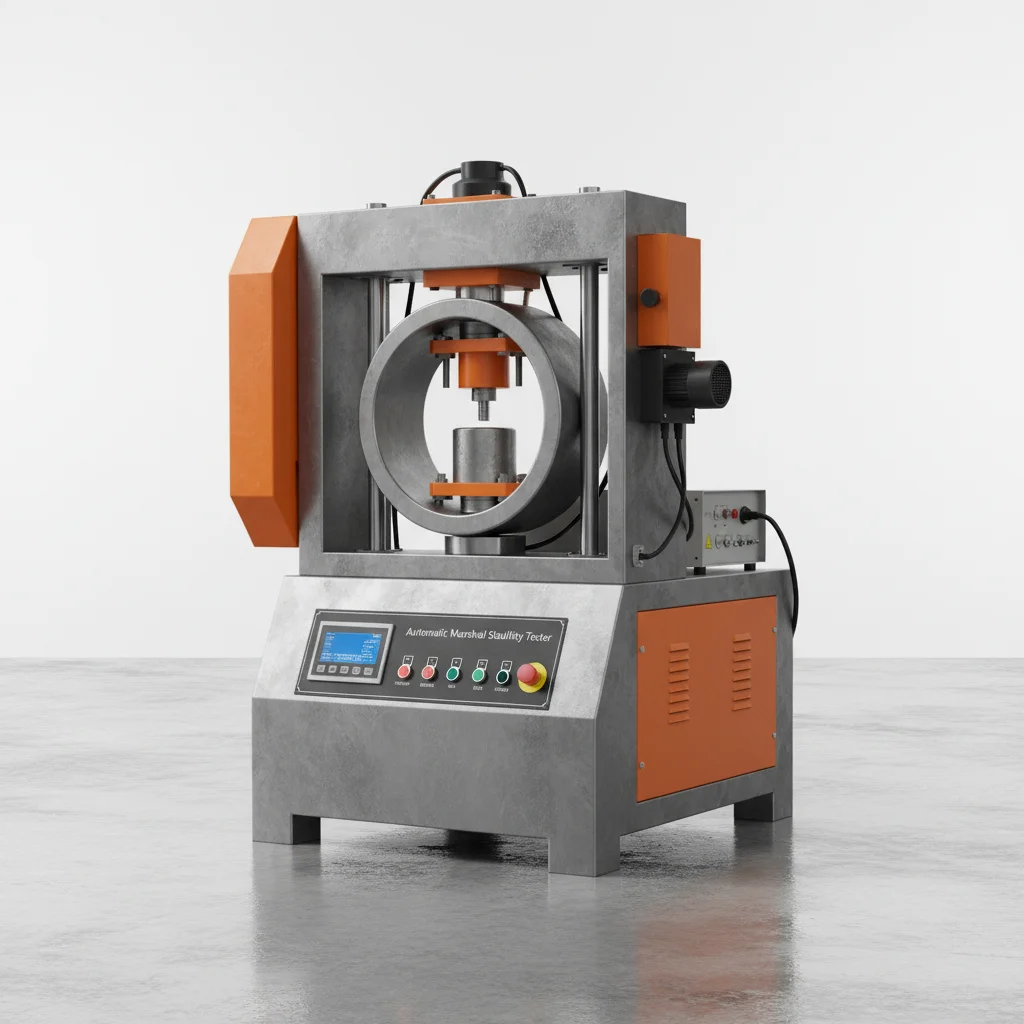
Future trends in Soil CBR test equipment are focused on automation, digitalization, and improved data analysis. Automated CBR testing systems are emerging, offering faster, more precise, and less labor-intensive testing processes. Integration of sensors and data logging capabilities allows for real-time monitoring and analysis of soil behavior.
Advancements in materials science are leading to the development of more durable and corrosion-resistant components for CBR testing sets. Software solutions are being developed to streamline data management, analysis, and reporting, providing engineers with valuable insights for informed decision-making. The adoption of cloud-based platforms will facilitate data sharing and collaboration among stakeholders.
Emphasis on sustainable practices is driving the development of equipment with lower energy consumption and reduced environmental impact. These innovations promise to enhance the efficiency, accuracy, and reliability of Soil CBR testing, contributing to more sustainable and resilient infrastructure.
FAQS
The accuracy of CBR values typically falls within a range of ±2-5%, assuming the equipment is properly calibrated and testing procedures are strictly followed. Factors such as soil variability, sample preparation, and operator skill can influence the accuracy. Regular equipment maintenance and operator training are crucial for achieving consistent and reliable results.
Soil CBR test equipment should be calibrated at least annually, or more frequently if used intensively. Calibration involves verifying the accuracy of the loading frame, dial gauges, and other critical components. Accredited calibration laboratories can provide certification to ensure compliance with industry standards. Regular calibration prevents drift and maintains the accuracy of test results.
Laboratory CBR testing involves preparing undisturbed soil samples and testing them under controlled conditions in a laboratory setting. Field CBR testing, on the other hand, is performed directly in-situ using a portable CBR testing apparatus. Field tests are quicker and more cost-effective, but may be less precise due to natural soil variability. Both methods are valuable, depending on the project requirements.
The most widely recognized standards for performing CBR tests are ASTM D1883 (Standard Test Method for CBR (California Bearing Ratio) of Laboratory-Compacted Soils) and BS 1377-9 (Testing of Soil for Civil Engineering Purposes - Part 9: CBR Test). These standards outline detailed procedures for sample preparation, testing, and data analysis, ensuring consistency and comparability of results.
Yes, while the CBR test is commonly associated with road construction, it can also be used to evaluate the bearing capacity of soils for other applications, such as airport runways, building foundations, and embankment construction. The CBR value provides a general indication of soil strength and suitability for supporting loads.
Key considerations include the type of soil being tested, the required testing capacity, the level of automation needed, and the budget. It's important to choose equipment that meets relevant industry standards and offers sufficient accuracy and reliability. Consider also the availability of calibration and maintenance services from the supplier.
Conclusion
In conclusion, Soil CBR test equipment remains an indispensable tool for civil engineers and construction professionals worldwide. Accurate and reliable CBR testing is essential for optimizing infrastructure designs, ensuring public safety, and promoting sustainable development. Investing in quality Soil CBR test equipment and adhering to standardized testing procedures are crucial for obtaining meaningful results and making informed decisions.
Looking ahead, advancements in automation, digitalization, and materials science will continue to enhance the capabilities of Soil CBR test equipment, leading to more efficient, accurate, and sustainable testing practices. By embracing these innovations, the construction industry can build a more resilient and reliable infrastructure for future generations. Visit our website at www.czlabinstrument.com to learn more about our comprehensive range of Soil CBR testing solutions.