
Comprehensive Guide to Heating and Drying Equipment for Industrial and Laboratory Use
Heating and Drying Equipment: A Comprehensive Guide
In various industrial and laboratory settings, maintaining precise temperature control for heating and drying processes is critical. CZ Lab Instrument offers a wide range of heating and drying equipment designed to meet diverse application needs. From simple drying ovens to sophisticated vacuum ovens and muffle furnaces, the right equipment ensures efficient, reliable, and safe operation. This article provides an in-depth overview of the different types of heating and drying equipment, their applications, and key considerations for selection.
Understanding Different Types of Heating and Drying Equipment
The world of heating and drying equipment is vast, with solutions tailored for specific purposes. Common types include drying ovens (for removing moisture from samples), vacuum ovens (for low-temperature drying and preventing oxidation), muffle furnaces (for high-temperature applications like ash content determination), and desiccators (for maintaining a dry environment). Each type utilizes different heating mechanisms and offers varying levels of control. Choosing the appropriate equipment depends on factors like the material being processed, the desired temperature range, and the required level of precision. CZ Lab Instrument's product line covers these options and more, providing versatile solutions for research and production.
Key Considerations: Selecting the right equipment requires careful consideration of temperature requirements, sample characteristics, atmosphere control, and safety features.
Applications of Heating and Drying Equipment
Heating and drying equipment finds applications across a broad spectrum of industries. In the pharmaceutical sector, it's vital for drying APIs and excipients. Food processing relies on it for creating dried fruits, vegetables, and instant foods. Chemical and material science utilize these tools for material synthesis, analysis, and quality control. Environmental monitoring uses drying ovens for determining solid content in water and soil samples. Furthermore, quality control labs in manufacturing employ this equipment for assessing material properties and ensuring product consistency. CZ Lab Instrument caters to these diverse needs with robust and reliable equipment.
Industry Applications:
• Pharmaceutical: Drying APIs, excipients
• Food Processing: Creating dried products
• Chemical/Material Science: Synthesis & analysis
• Environmental Monitoring: Solid content determination
Comparing Heating and Drying Equipment: A Detailed Look
Understanding the nuances between different heating and drying technologies is crucial for optimal performance. A simple drying oven is ideal for routine drying tasks, while a vacuum oven is preferable for heat-sensitive materials or applications requiring inert atmospheres. Muffle furnaces excel at high-temperature processes like ashing, which is not possible with standard drying ovens. Selecting the right method involves considering sample characteristics and process requirements. CZ Lab Instrument offers expert guidance to help you choose the best solution for your specific application.
Key Features to Look for in Heating and Drying Equipment
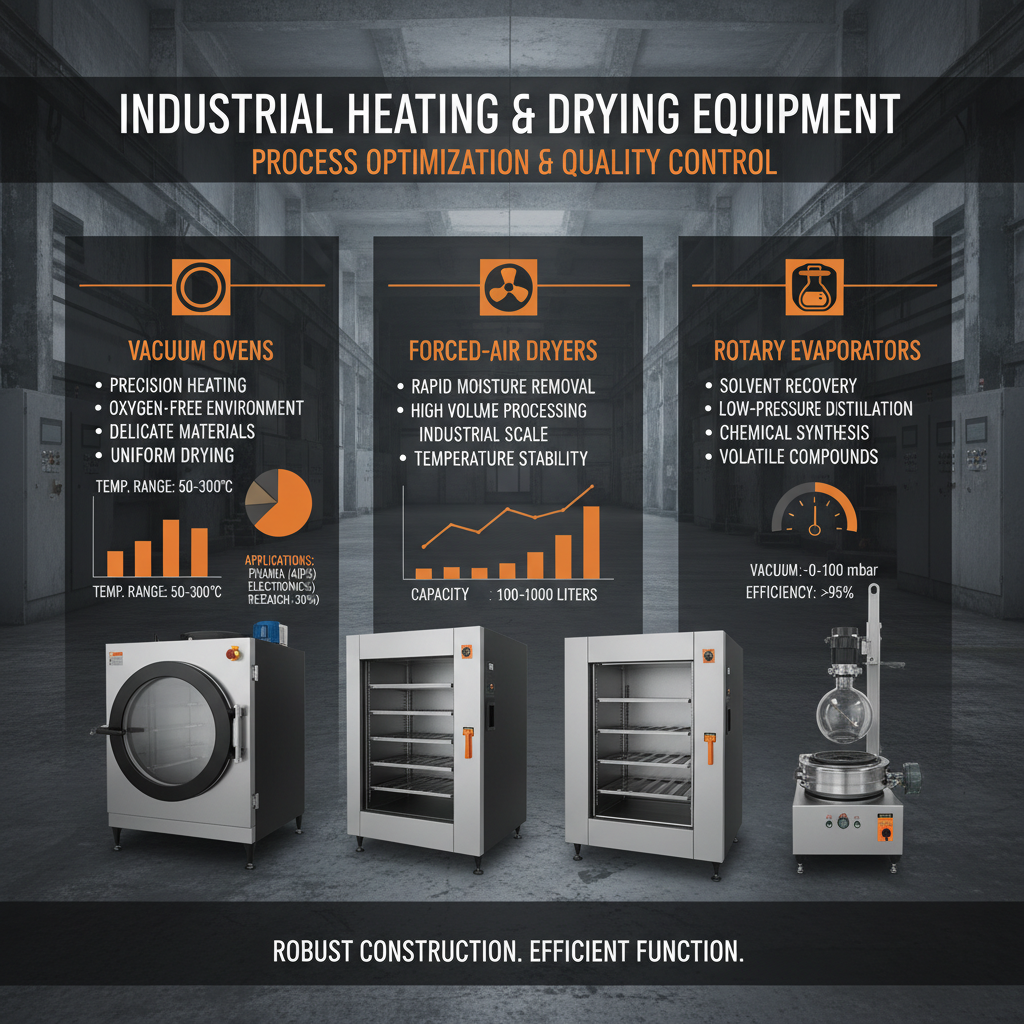
When selecting heating and drying equipment, several features are essential for optimal performance and safety. Accurate temperature control is paramount, ensuring consistent and reliable results. Digital controllers with precise temperature settings and programmable profiles are highly recommended. Uniform heat distribution is also crucial to prevent uneven drying or overheating. Safety features like over-temperature protection and door interlocks are non-negotiable. Consider the chamber size and material, as well as the ease of cleaning and maintenance. CZ Lab Instrument prioritizes these features in its equipment designs.
Choosing the Right Equipment from CZ Lab Instrument
At CZ Lab Instrument, we offer a comprehensive selection of heating and drying equipment to meet your specific needs. Our product range includes drying ovens, vacuum ovens, muffle furnaces, and more, all engineered for reliability, precision, and safety. We are committed to providing exceptional customer support and expert guidance to help you select the right equipment for your application. Contact us today to discuss your requirements and explore our solutions.
Conclusion: Investing in Quality Heating and Drying Equipment
Investing in high-quality heating and drying equipment is crucial for achieving accurate, reliable, and safe results in a wide range of applications. CZ Lab Instrument provides innovative solutions and expert support to meet your specific needs. Choose quality, choose precision, choose CZ Lab Instrument.
Frequently Asked Questions (FAQs)
What factors should I consider when choosing a drying oven?
Several factors are crucial when selecting a drying oven. These include the maximum temperature required for your application, the chamber volume needed to accommodate your samples, and the level of temperature uniformity needed. Also, consider the type of material being dried (heat-sensitive, volatile, etc.) and if any special features like vacuum capability or inert gas purging are required. Air circulation within the oven is also important to ensure even drying. Consider a digital controller for precise temperature settings and programming.
What are the benefits of using a vacuum oven over a traditional drying oven?
Vacuum ovens offer several advantages. They allow for lower drying temperatures, which is ideal for heat-sensitive materials. The reduced pressure also facilitates faster drying times, as the boiling point of the solvent is lowered. Furthermore, vacuum ovens prevent oxidation of samples during drying, which is particularly important for materials susceptible to degradation in the presence of oxygen. This makes them essential for applications in chemistry, pharmaceuticals, and materials science.
How do I ensure the safe operation of a muffle furnace?
Muffle furnaces operate at extremely high temperatures, so safety is paramount. Always wear appropriate personal protective equipment (PPE), including heat-resistant gloves and eye protection. Never open the furnace door while it's hot. Ensure the furnace is placed in a well-ventilated area. Regularly inspect the furnace for any signs of damage, such as cracks in the heating elements. Utilize the built-in safety features, such as over-temperature protection, and follow the manufacturer's operating instructions carefully. Proper training is essential before operating a muffle furnace.


