
The Essential Guide to Drying Oven Machines and Their Applications
Understanding the Power of a Drying Oven Machine
In numerous industries, from pharmaceuticals and food processing to electronics and materials science, precise control over moisture content is critical. A drying oven machine plays an indispensable role in achieving this control. This article delves into the core functionality, benefits, applications, and key considerations when selecting a drying oven machine, providing a comprehensive guide for professionals and researchers. Investing in the right drying oven can significantly enhance product quality, ensure regulatory compliance, and streamline operational efficiency.
How Does a Drying Oven Machine Work?
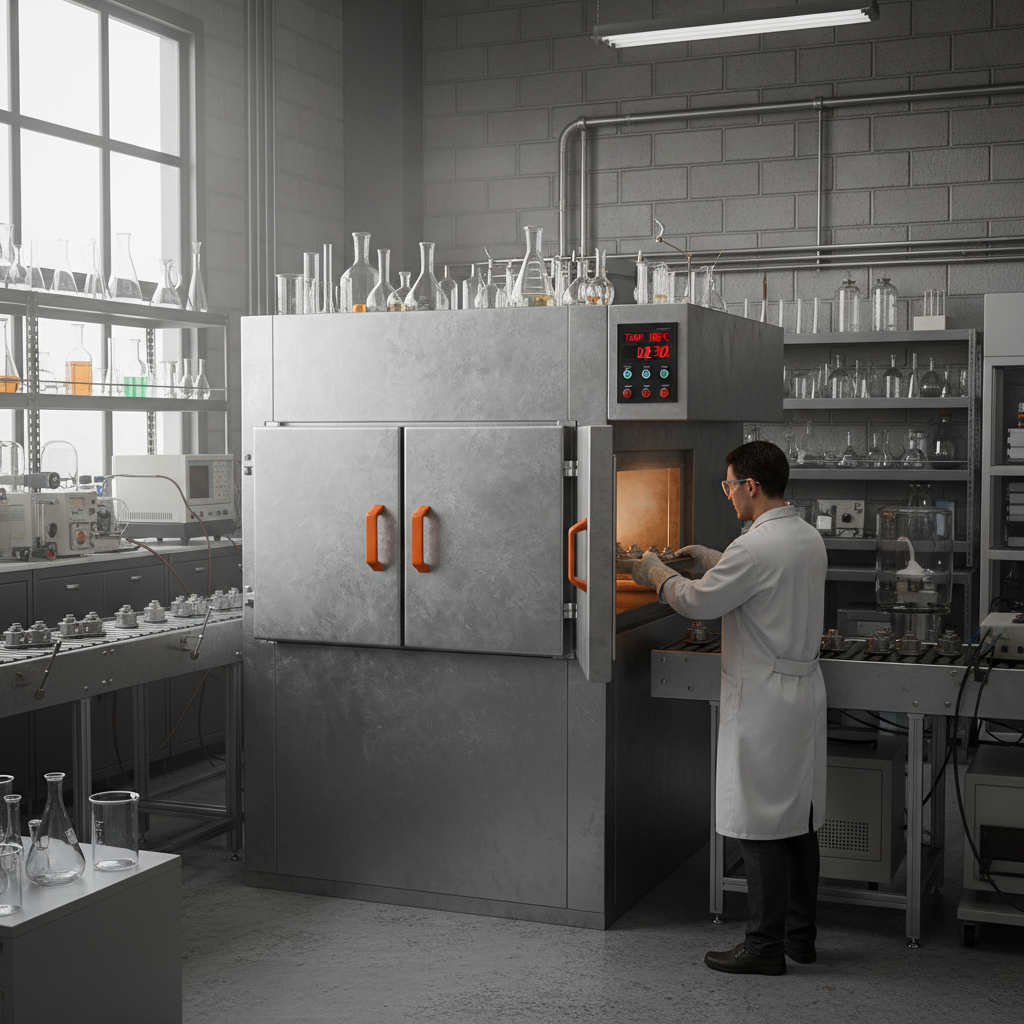
At its core, a drying oven machine utilizes controlled heat to remove moisture from a substance. The process relies on applying thermal energy to increase the rate of evaporation. Modern machines employ a variety of heating methods, including convection (using circulating air), radiant heat, and vacuum drying. The key is precise temperature control, often achieved with sophisticated PID controllers. These controllers maintain a consistent temperature throughout the chamber, ensuring uniform drying. Some machines also incorporate features like humidity sensors and programmable drying profiles to optimize the process for specific materials. The efficient removal of moisture prevents degradation, maintains chemical integrity, and extends shelf life.
Key Principle: Drying ovens accelerate the natural process of evaporation by providing controlled heat and air circulation, ultimately reducing moisture content in materials.
Essential Applications of Drying Oven Machines
The applications of drying oven machines are incredibly diverse. In the pharmaceutical industry, they are used for drying granules, powders, and finished products to meet stringent quality standards. The food industry relies on them for drying fruits, vegetables, herbs, and spices, preserving their flavor and extending their shelf life. Electronics manufacturers use them to remove moisture from printed circuit boards (PCBs) and components, preventing corrosion and ensuring reliability. Materials science utilizes drying ovens for preparing samples for analysis and creating thin films. Furthermore, they are critical in the chemical industry for drying reaction products and recovering solvents. CZLab offers solutions tailored to these specific needs.
Common Applications:
• Pharmaceutical Drying
• Food Processing & Preservation
• Electronics Manufacturing
• Materials Science Research
Drying Oven Machine: Key Features to Consider
When selecting a drying oven machine, several key features should be considered. Temperature Range and Accuracy are paramount, ensuring the machine can reach and maintain the required temperature for your application. Chamber Size and Material should be appropriate for your sample volume and compatible with the materials being dried. Consider Air Circulation System – forced convection provides more uniform drying than natural convection. Also vital are Control Systems (PID) for precise temperature and time control, and Safety Features such as over-temperature protection and door interlocks. Look for machines that offer data logging capabilities for process monitoring and validation.
Types of Drying Oven Machines: A Comparative Overview
Several types of drying oven machines cater to different needs. Convection Ovens use heated air circulation for general-purpose drying. Vacuum Ovens operate under reduced pressure, lowering the boiling point of liquids and accelerating drying, ideal for heat-sensitive materials. Fluid Bed Ovens suspend particles in a stream of heated air, providing highly efficient drying. Selecting the right type depends on the properties of the material, the desired drying rate, and the required level of control. CZLab Instrument can help you assess your needs and recommend the optimal solution.
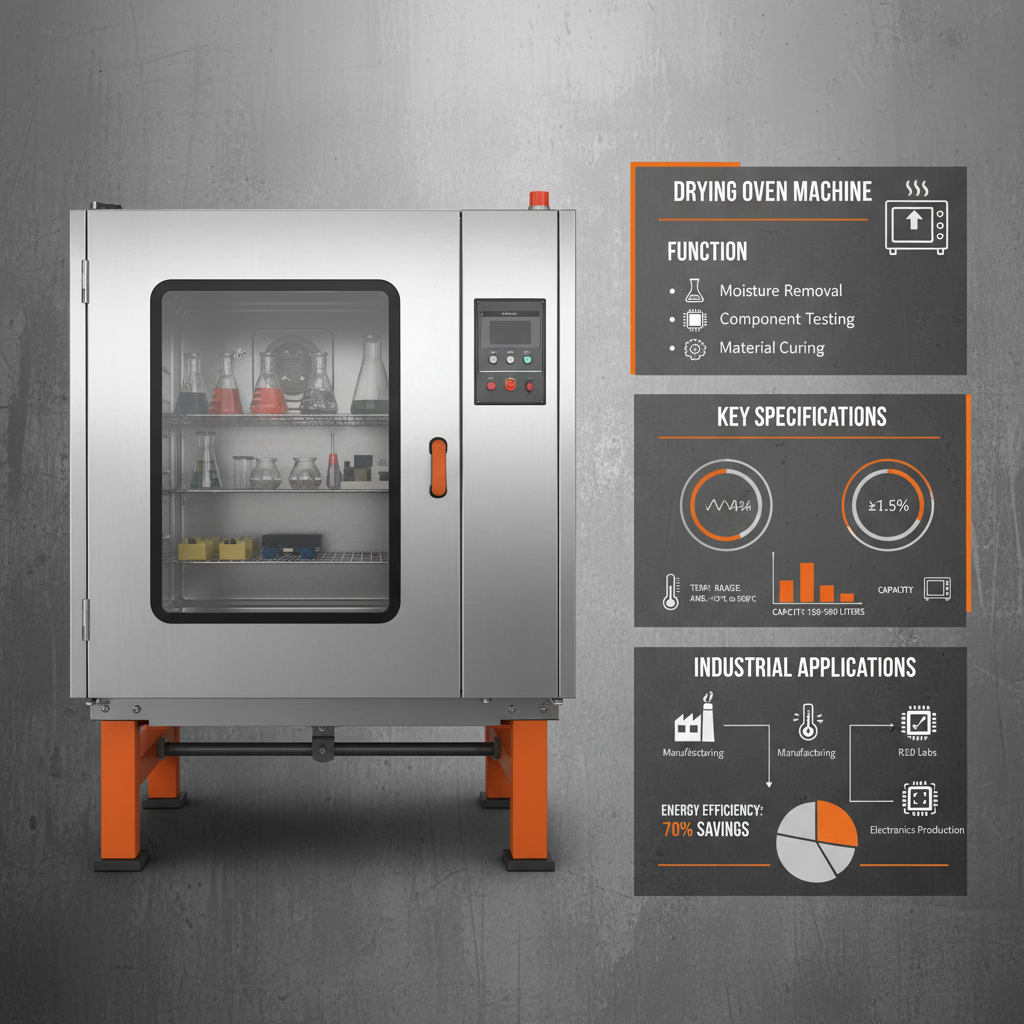
Product Specifications: Example CZLab Drying Oven
Here's a typical specification for a common laboratory drying oven machine:
Conclusion: Investing in Precision Drying
Choosing the right drying oven machine is a crucial investment for any organization requiring precise moisture control. From research laboratories to large-scale industrial facilities, a high-quality drying oven ensures product quality, regulatory compliance, and operational efficiency. Consider your specific application, material properties, and budget when making your selection.
Frequently Asked Questions (FAQs)
What safety features should I look for in a drying oven?
Essential safety features include over-temperature protection, which automatically shuts off the heater if the temperature exceeds a set limit. A door interlock prevents operation when the door is open, minimizing heat loss and potential hazards. Consider models with alarms to alert users to abnormal conditions. Additionally, ensure the oven is constructed with materials that are resistant to corrosion and fire hazards. Always adhere to the manufacturer's safety guidelines and provide proper ventilation in the operating environment.
How do I calibrate a drying oven machine?
Calibration ensures accurate temperature readings. It typically involves comparing the oven's displayed temperature with a calibrated reference thermometer. Follow the manufacturer's instructions for calibration procedures, which often involve adjusting the temperature controller. Regular calibration, ideally annually or as recommended by the manufacturer, is crucial for maintaining data integrity and ensuring process validation. Keep a record of all calibration activities.
What is the difference between convection and vacuum drying?
Convection drying uses heated air circulation to remove moisture, suitable for stable materials. Vacuum drying operates under reduced pressure, lowering the boiling point of liquids, making it ideal for heat-sensitive substances and speeding up the drying process. Vacuum drying also minimizes oxidation and preserves the material's properties better. Consider the material's characteristics and desired drying rate when choosing between these methods.
How do I maintain a drying oven machine?
Regular maintenance is key to prolonging the lifespan of your drying oven. Clean the chamber regularly to remove any residue. Check the door seal for damage and replace it if necessary. Inspect the heating elements for signs of wear or failure. Ensure proper ventilation to prevent overheating. Refer to the manufacturer's manual for specific maintenance recommendations. Routine inspections and preventative maintenance will minimize downtime and ensure optimal performance.


