
Comprehensive Guide to Selecting the Best Stainless Steel Oven for Drying Applications
Choosing the Right Stainless Steel Oven for Drying: A Comprehensive Guide
Selecting a stainless steel oven for drying is a critical decision for laboratories, research facilities, and industrial processes. These ovens provide a controlled environment for removing moisture from materials, ensuring accurate results and product quality. This article provides an in-depth look at the features, benefits, applications, and key considerations when choosing the right drying oven from CZ Lab Instrument. A reliable drying oven is paramount to maintaining efficient and precise operations in a variety of settings.
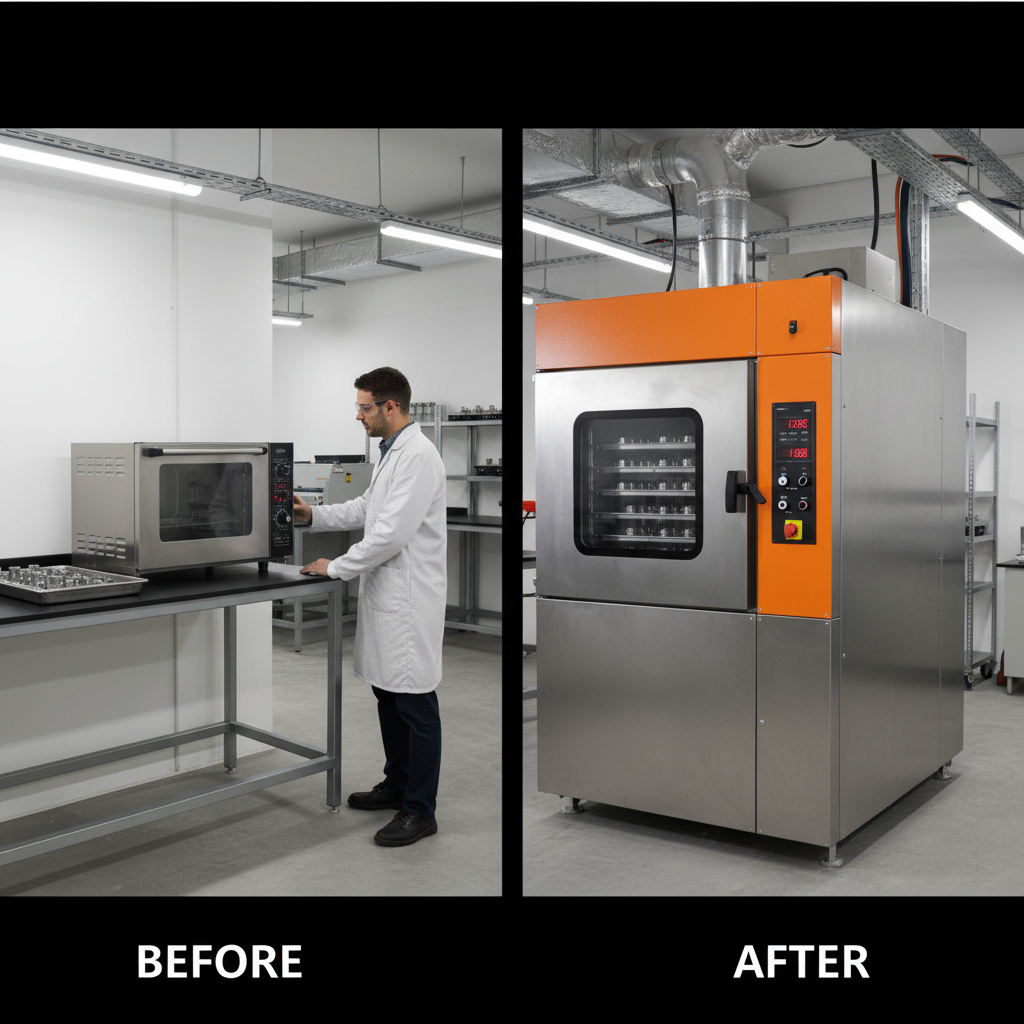
Understanding the Benefits of Stainless Steel Drying Ovens
Stainless steel drying ovens offer several advantages over other materials. Their corrosion resistance ensures longevity and prevents contamination of samples. Stainless steel is easy to clean and maintain, crucial for maintaining sterile environments in laboratory settings. Furthermore, stainless steel provides excellent thermal conductivity, resulting in even temperature distribution within the chamber. This uniform heating is essential for consistent drying results. Investing in a quality stainless steel oven from CZ Lab Instrument ensures reliable performance and durability.
Key Highlights: Corrosion resistance, easy to clean, even temperature distribution, durable construction, and suitable for various applications.
Applications of Stainless Steel Drying Ovens
Stainless steel drying ovens find applications across diverse industries. In pharmaceutical research, they are used to dry drug formulations and excipients. Food processing utilizes these ovens for drying ingredients and ensuring product stability. Materials science employs them for removing moisture from samples before analysis. Other applications include drying of chemicals, polymers, and electronic components. The versatility of a drying oven makes it a valuable asset in numerous scientific and industrial settings.
Application Areas:
• Pharmaceutical Research
• Food Processing
• Materials Science
• Chemical and Polymer Drying
Stainless Steel Oven for Drying: Key Features to Consider
When choosing a stainless steel drying oven, several key features should be considered. Temperature range and accuracy are crucial for specific applications. Precise temperature control ensures consistent drying results. Chamber volume determines the capacity of the oven, accommodating various sample sizes. Programmable controllers allow for automated drying cycles, enhancing efficiency and reproducibility. Additional features such as forced convection for uniform heating, digital displays for easy monitoring, and safety features like over-temperature protection are also important. CZ Lab Instrument offers a range of models with customizable features to meet diverse needs.
Comparing Drying Oven Technologies
Several drying oven technologies are available, each with its own advantages and disadvantages. Convection ovens use circulating air to remove moisture, offering good uniformity. Vacuum ovens reduce the boiling point of liquids, enabling faster drying at lower temperatures. Infrared ovens utilize radiant heat for rapid drying but may not provide uniform heating. The choice depends on the specific application and the nature of the materials being dried. CZ Lab Instrument offers a comprehensive selection to match your needs.
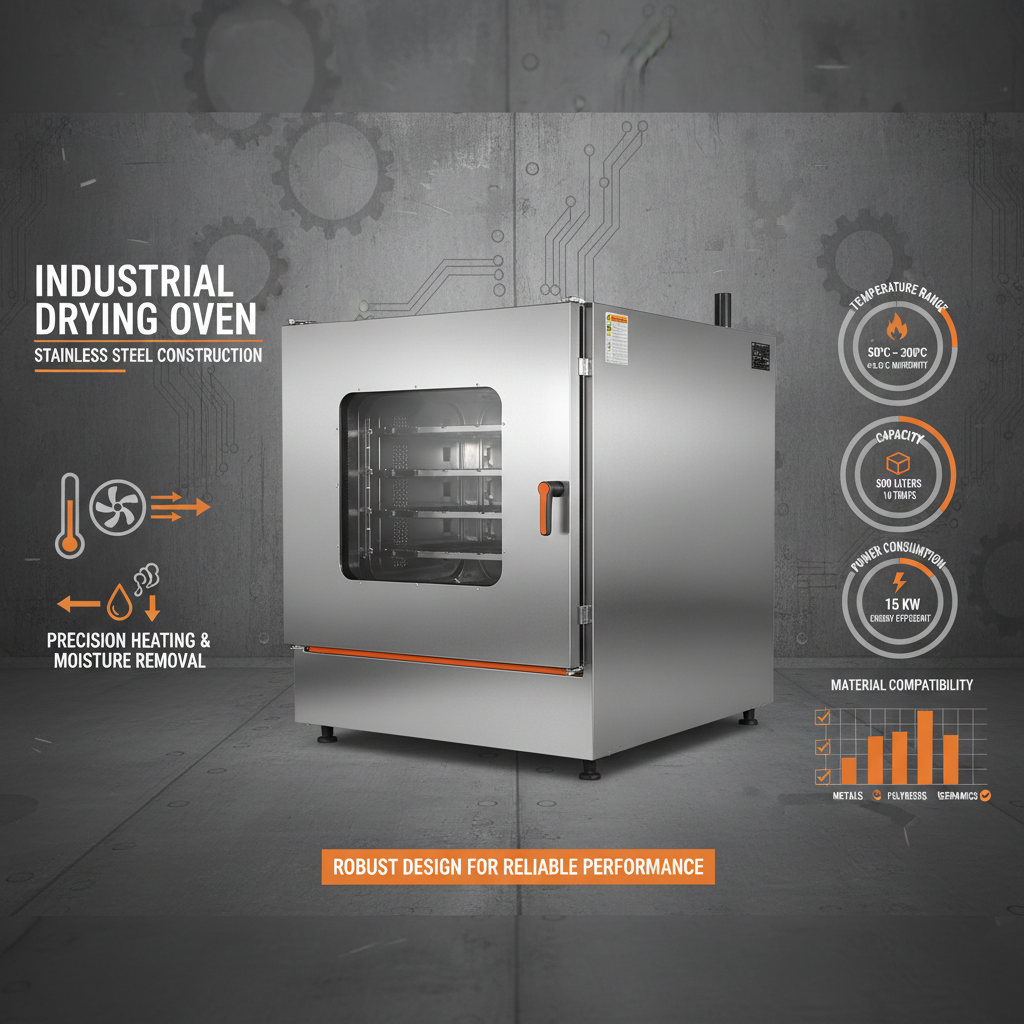
Conclusion: Choosing the Right Drying Oven for Your Needs
Investing in a high-quality stainless steel drying oven from CZ Lab Instrument is a crucial step towards ensuring accurate, reliable, and efficient drying processes. By considering the key features, applications, and technologies discussed in this article, you can select the oven that best meets your specific requirements. Don't compromise on quality – choose CZ Lab Instrument for superior performance and lasting value.
Frequently Asked Questions (FAQs)
What temperature range should I look for in a drying oven?
The ideal temperature range depends on the materials you'll be drying. For heat-sensitive samples, a lower maximum temperature is essential. For materials requiring higher temperatures for efficient drying, a wider range is necessary. Typically, a range of ambient to 250°C or 300°C is sufficient for most laboratory applications. Consider your specific needs and choose a model that provides precise temperature control within the required range. CZ Lab Instrument offers options with varying temperature ranges to cater to diverse applications.
What is the importance of forced convection in a drying oven?
Forced convection ensures uniform temperature distribution throughout the chamber. By actively circulating air, it eliminates hot and cold spots, leading to consistent drying results. This is particularly crucial for larger samples or those that are sensitive to temperature gradients. Forced convection also speeds up the drying process compared to natural convection ovens.
How do I ensure the safety of my samples and the oven during operation?
Prioritize safety by ensuring the oven is properly ventilated and placed away from flammable materials. Utilize the over-temperature protection feature to prevent overheating. Always follow the manufacturer's guidelines for loading and unloading samples. Never exceed the oven's maximum temperature or load capacity. Regular inspection of the oven and its components is also crucial for safe operation.
What maintenance is required for a stainless steel drying oven?
Regular cleaning is essential to prevent contamination and maintain performance. Wipe down the interior chamber with a mild detergent after each use. Periodically check the door gasket for damage and replace if necessary. Inspect the temperature sensors and heating elements for proper functionality. Follow the manufacturer's recommendations for calibration and maintenance schedules.


