
Comprehensive Guide To Muffle Furnace For Laboratory Applications
Muffle Furnace For Laboratory: A Comprehensive Guide
A muffle furnace for laboratory applications is a crucial piece of equipment for a wide range of scientific and industrial processes. These furnaces provide controlled high-temperature environments for materials testing, heat treatment, and various analytical procedures. Selecting the right muffle furnace is vital for ensuring accurate results and efficient workflows. This article explores the key features, benefits, applications, and considerations when choosing a laboratory muffle furnace. Proper selection ensures your research and production needs are met with precision and reliability.
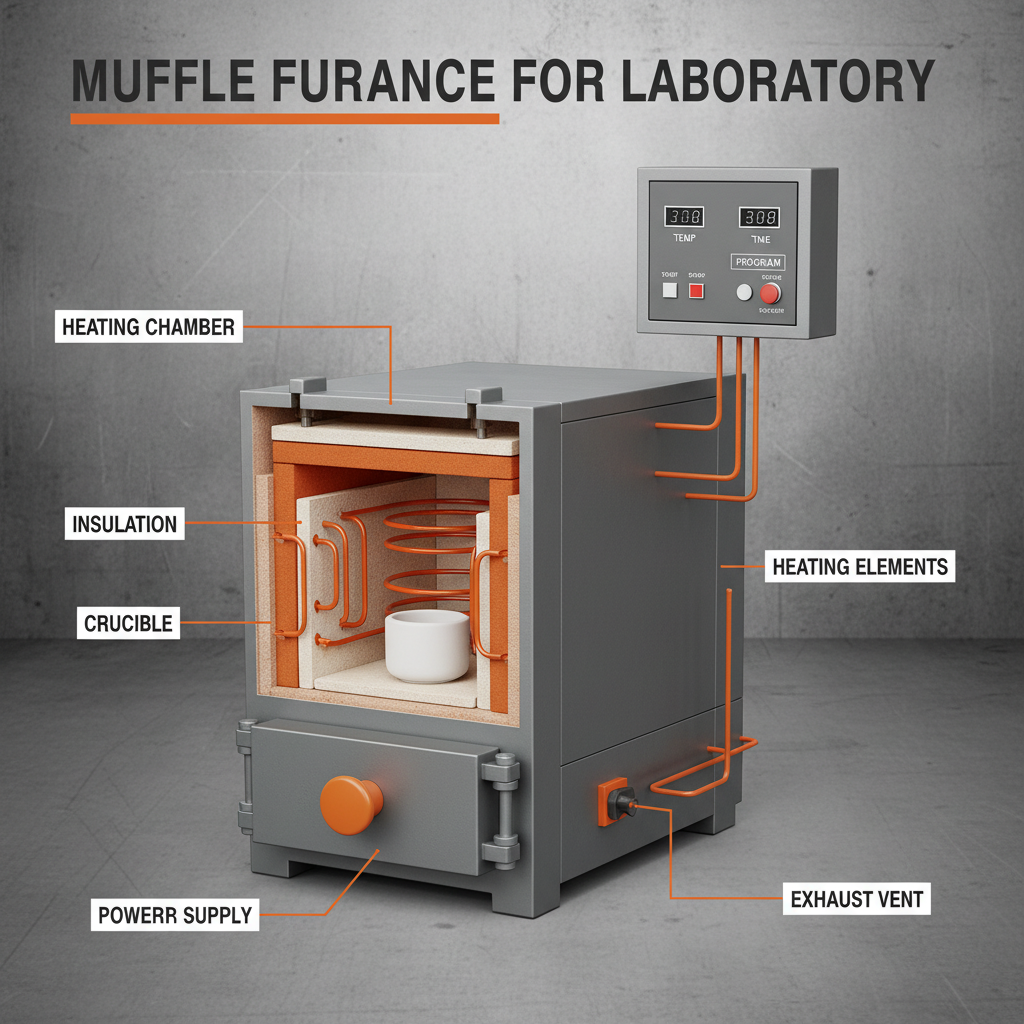
Understanding Muffle Furnace Technology
Muffle furnaces operate by surrounding the sample chamber with layers of insulating materials, typically ceramic fibers. This design minimizes heat loss and allows for rapid heating and precise temperature control. The heating elements are enclosed within the insulation, preventing direct contact between the sample and the heating source—hence the term "muffle." This isolation is critical for maintaining a pure and controlled atmosphere within the chamber, preventing unwanted reactions or contamination. Modern muffle furnaces often feature programmable controllers, allowing users to define complex temperature profiles for specific applications. A quality muffle furnace is an investment in accurate and reliable results.
Key Highlights: Precise temperature control, insulated chamber for minimal heat loss, programmable controllers for complex temperature profiles, prevention of sample contamination.
Key Applications of Laboratory Muffle Furnaces
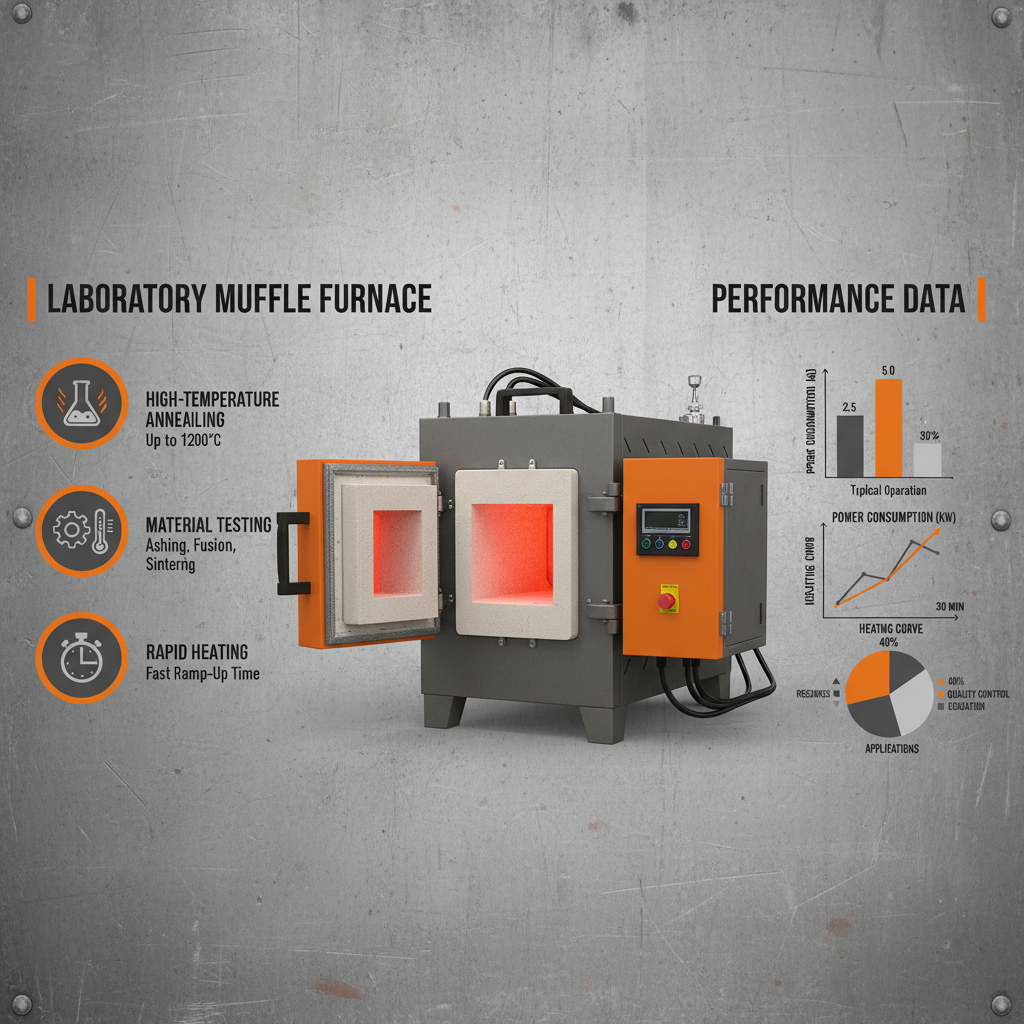
Muffle furnaces are incredibly versatile tools, utilized across numerous scientific disciplines. Some common applications include: ash content determination in materials science, calcination of metal oxides and other compounds, heat treatment of metals and alloys for hardening or annealing, drying and preheating of samples, and ceramic sintering. They are essential in quality control laboratories, research institutions, and industrial settings. The ability to control both temperature and atmosphere makes them invaluable for a wide variety of chemical and materials processing tasks. CZLabInstrument offers muffle furnaces tailored to specific application needs.
Application Areas:
• Materials Science: Ash content analysis, sintering.
• Chemistry: Calcination, drying, preheating.
• Metallurgy: Heat treatment, annealing.
• Quality Control: Ensuring material specifications.
Muffle Furnace For Laboratory: Selecting the Right Model
Choosing the appropriate muffle furnace requires careful consideration of several factors. The maximum temperature required for your applications is paramount. Chamber size dictates the volume of samples that can be processed at once. Programmability is essential for complex heating cycles. Atmosphere control (e.g., inert gas purging) may be necessary for sensitive materials. Finally, consider the furnace’s safety features and ease of use.
Safety Features and Maintenance
Safety is paramount when operating a muffle furnace. Look for models with over-temperature protection, door interlocks, and robust construction. Regular maintenance, including inspection of heating elements and insulation, is crucial for ensuring safe and reliable operation. Following the manufacturer's guidelines for maintenance and operation is essential. Always wear appropriate personal protective equipment (PPE) when handling hot materials or operating the furnace. CZLabInstrument provides detailed safety manuals and support for all its products.
Conclusion: Investing in a Reliable Muffle Furnace
A high-quality muffle furnace for laboratory use is a significant investment in the accuracy and efficiency of your research and production processes. By carefully considering your application needs, selecting a model with the appropriate features, and prioritizing safety, you can ensure long-term reliable performance. CZLabInstrument offers a comprehensive range of muffle furnaces designed to meet the diverse needs of modern laboratories.
Frequently Asked Questions (FAQs)
What temperature range can laboratory muffle furnaces achieve?
Laboratory muffle furnaces typically range from 300°C to 1700°C or higher, depending on the model and heating element material. Standard models often reach 1200°C, while high-temperature models utilizing materials like silicon carbide (SiC) or molybdenum disilicide (MoSi2) can achieve temperatures up to 1700°C or even 1800°C. The appropriate temperature range depends on the specific application, such as ash content determination or sintering processes. It's crucial to choose a furnace capable of reaching and maintaining the required temperature with precision.
How important is atmosphere control in a muffle furnace?
Atmosphere control is crucial for preventing unwanted reactions during high-temperature processes. Many materials are sensitive to oxidation or other reactions in air. Purging the chamber with an inert gas, such as argon or nitrogen, creates a controlled atmosphere, minimizing these reactions and preserving the sample's integrity. This is particularly important when working with reactive metals, semiconductors, or materials requiring precise compositional control. Some furnaces have integrated gas inlets and flow meters for precise atmosphere control.
What maintenance is required for a muffle furnace?
Regular maintenance is essential for safe and reliable operation. This includes inspecting heating elements for damage, checking the insulation for cracks or deterioration, and verifying the proper functioning of safety features like over-temperature protection. Cleaning the chamber regularly removes any residue or contaminants. Annual professional servicing is recommended to ensure optimal performance and longevity. Following the manufacturer's guidelines for maintenance is crucial.
Are muffle furnaces energy efficient?
Modern muffle furnaces are designed with energy efficiency in mind. The effective insulation minimizes heat loss, reducing energy consumption. However, energy usage will vary depending on the furnace size, operating temperature, and frequency of use. Features like programmable controllers and efficient heating elements contribute to energy savings. Selecting a furnace with a well-designed insulation system is crucial for minimizing energy costs.


