
Air Entrainment Meter for Concrete Durability and Quality Control
Air Entrainment Meter: Ensuring Concrete Durability and Quality
In the world of civil engineering and construction, the longevity of concrete structures depends heavily on their resistance to freeze-thaw cycles. This is where the Air Entrainment Meter plays a critical role. By precisely measuring the volume of air bubbles trapped within fresh concrete, engineers can ensure that the material possesses the necessary "breathing room" to expand and contract without cracking. Without proper air entrainment, concrete exposed to harsh winters would quickly deteriorate, leading to costly repairs and safety hazards. This guide explores how these instruments function and why they are indispensable for modern infrastructure.
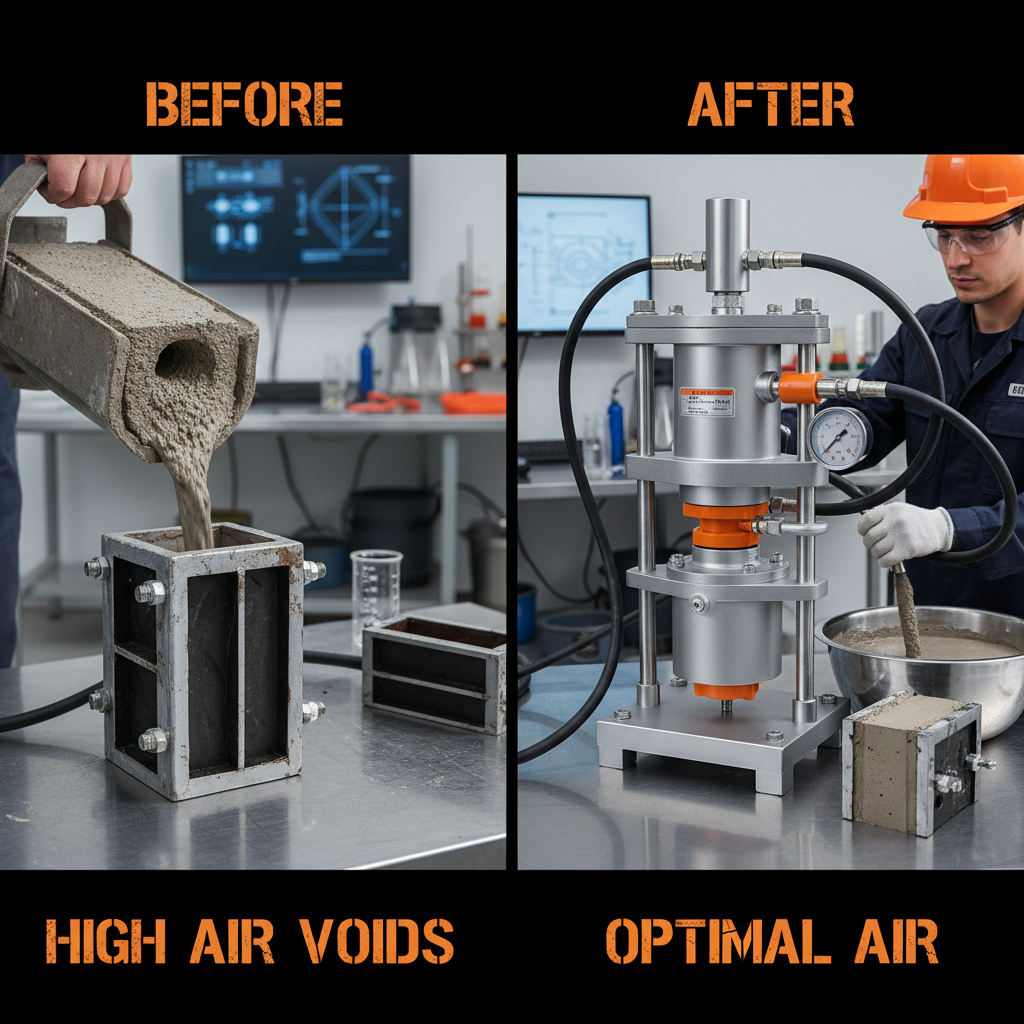
How an Air Entrainment Meter Works
An Air Entrainment Meter typically operates on the pressure method. A sample of fresh concrete is placed in a sealed pot and pressurized with air. This pressure forces the entrained air bubbles into solution. By comparing the volume of the concrete before and after the pressure application, the instrument calculates the exact percentage of air content. This high-precision measurement allows quality control technicians to adjust the concrete mix in real-time, ensuring that the air void system is stable and evenly distributed throughout the slab.
Technical Insight: The key to a successful test is the consolidation of the sample. If the concrete is not rodded or vibrated correctly within the meter, "entrapped air" (large, irregular bubbles) may be measured instead of "entrained air" (microscopic, spherical bubbles), leading to inaccurate results.
Critical Importance of Air Content in Concrete
The primary purpose of using an Air Entrainment Meter is to verify the presence of a microscopic bubble system. These bubbles act as expansion chambers for water when it freezes. If the air content is too low, the internal pressure from ice formation will cause the concrete to scale or spall. Conversely, if the air content is too high, the compressive strength of the concrete decreases significantly. Finding the "sweet spot"—usually between 4% and 7% depending on the aggregate size—is essential for balancing durability and strength.
Impact of Air Volume on Concrete:
• Too Low: High risk of freeze-thaw cracking and surface scaling.
• Optimal: Maximum durability and improved workability of the wet mix.
• Too High: Reduction in structural load-bearing capacity and strength.
Comparing Air Entrainment Meter Types
Depending on the project scale and required precision, different types of Air Entrainment Meter options are available. The most common are the Manual Pressure Meter and the Digital Automated Meter. While manual versions are cost-effective and portable, digital versions eliminate human reading errors and provide faster data logging, which is critical for large-scale commercial pours where speed is of the essence.
Industry Applications of the Air Entrainment Meter
The use of an Air Entrainment Meter spans across various infrastructure projects. In highway and bridge construction, where surfaces are directly exposed to salt and ice, air content verification is a mandatory safety standard. Similarly, in airport runway paving, the concrete must withstand extreme temperature fluctuations without cracking. Even in residential foundations in colder climates, these meters help contractors avoid the devastating effects of frost heave. Ensuring a consistent mix across different batches of concrete prevents "weak spots" in the overall structure.
Technical Specifications of Professional Air Meters
When selecting an Air Entrainment Meter, it is vital to check compliance with international standards such as ASTM C231 or EN 12350-7. These standards ensure that the device provides repeatable and reliable data regardless of where the test is conducted. A high-quality meter will feature corrosion-resistant materials to withstand the alkaline nature of cement and a precision-engineered valve system to maintain constant pressure.
Conclusion: Securing Structure Longevity
Using a high-precision Air Entrainment Meter is not just a regulatory requirement; it is a fundamental step in ensuring the safety and durability of concrete infrastructure. By carefully controlling air content, builders can prevent catastrophic freeze-thaw damage and optimize the material's strength. For those seeking professional-grade equipment that guarantees accuracy and reliability, investing in quality testing instruments is the most effective way to mitigate long-term structural risks.
Frequently Asked Questions (FAQs)
What is the difference between entrained air and entrapped air?
Entrained air consists of billions of microscopic, spherical bubbles created by adding a chemical air-entraining agent to the concrete mix. These bubbles are stable and provide the freeze-thaw resistance mentioned earlier. Entrapped air, on the other hand, consists of larger, irregular bubbles that occur naturally during mixing and placing. While an Air Entrainment Meter measures total air, proper consolidation (rodding) is used during the test to remove as much entrapped air as possible, ensuring the reading reflects the actual entrained air content.
How often should an Air Entrainment Meter be calibrated?
Calibration is critical for maintaining the integrity of quality control data. It is generally recommended that an Air Entrainment Meter be calibrated at least once a year or after any significant impact or repair. Many project specifications require calibration every six months for high-stakes infrastructure projects. Regular calibration ensures that the pressure gauges and volume readings remain accurate, preventing the risk of accepting concrete that doesn't meet the minimum durability requirements.
Can air content be measured after the concrete has hardened?
No, the pressure-based Air Entrainment Meter is designed exclusively for fresh concrete. Once the concrete hardens, the air bubbles are locked in a solid matrix and cannot be compressed. To measure air in hardened concrete, engineers must use destructive testing (coring the concrete) and analyze the sample through volumetric or gravimetric methods in a lab setting, which is significantly more time-consuming and expensive.
What factors can affect the air reading in a concrete test?
Several factors can influence the results. Temperature is a major variable; higher temperatures typically reduce air content. Additionally, the type of admixtures used (such as superplasticizers) can interfere with the air-entraining agent. Most importantly, the human element—specifically how the sample is rodded and whether the pot is sealed perfectly—can lead to variations. Using a high-quality meter and following standardized ASTM or EN procedures is the only way to ensure a reliable and consistent reading.


