
Mastering Quality Control with a Professional Concrete Air Meter
Mastering Quality Control with a Concrete Air Meter
In the world of high-performance construction, the durability of a structure depends heavily on the internal composition of the concrete. One of the most critical factors is the air content, which directly influences freeze-thaw resistance and overall workability. Utilizing a professional Concrete Air Meter ensures that the air void system is correctly proportioned, preventing premature cracking and structural failure. Whether you are managing a massive infrastructure project or a small-scale build, precision in air measurement is non-negotiable for long-term stability. In this guide, we will explore how these instruments work and why they are essential for modern engineering.
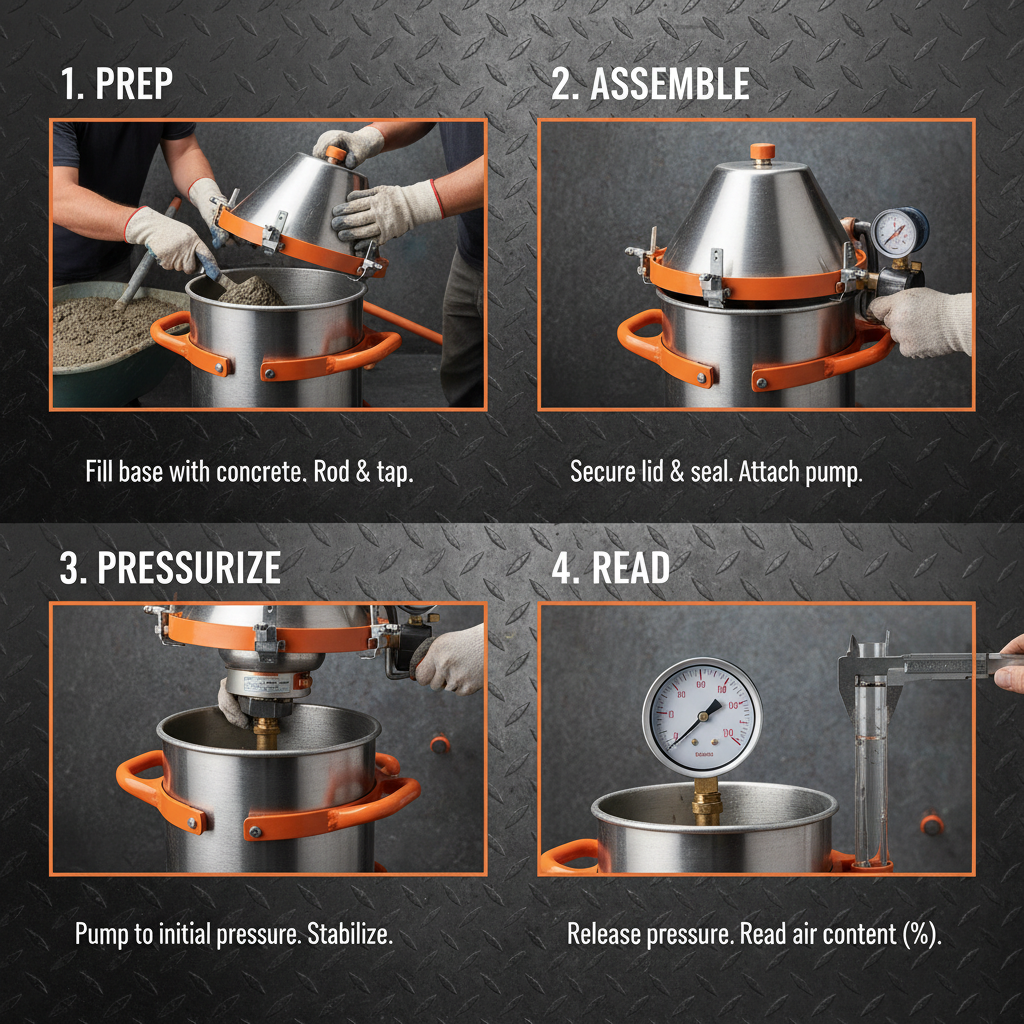
How a Concrete Air Meter Ensures Structural Integrity
Entrained air in concrete consists of microscopic bubbles that act as expansion chambers for freezing water. Without a Concrete Air Meter, it is impossible to verify if the air-entraining admixtures have worked effectively. Too little air leads to scaling and spalling during winter, while too much air can significantly reduce the compressive strength of the concrete. By providing an accurate percentage of air voids, these meters allow engineers to make real-time adjustments to the mix, ensuring that the final product meets strict ASTM or EN standards. This precision is what separates a mediocre build from a masterpiece of engineering.
Industry Insight: Even a 1% deviation in air content can lead to a noticeable loss in compressive strength, making high-precision calibration of your air meter a critical maintenance task.
Types of Concrete Air Meter Technology
Depending on the aggregate size and the specific requirements of the project, different types of air meters are employed. The most common is the pressure method, which is highly reliable for a wide range of mixes. There are also volumetric methods, though they are less common in modern fast-paced sites. Choosing the right Concrete Air Meter depends on the desired accuracy, the environment of the test site, and the specific standards (such as ASTM C231) that the project must adhere to. Modern digital meters have replaced analog gauges, providing faster readings and reducing human error during the calculation process.
Key Considerations for Selection:
• Aggregate Type: Ensure the meter is compatible with your specific stone size.
• Compliance: Verify if the device meets international standards like ASTM or ISO.
• Ease of Use: Digital interfaces allow for quicker field testing and data logging.
Comparing the Concrete Air Meter Methods
When deciding which equipment to purchase, it is essential to compare the operational efficiency and accuracy of different methods. The pressure method is widely regarded as the industry gold standard due to its speed and consistency. In contrast, the volumetric method can be more tedious. Using a high-quality Concrete Air Meter based on the pressure principle ensures that you get a representative sample of the batch without wasting excessive time on site.
Application of the Concrete Air Meter in Modern Infrastructure
From bridge decks to airport runways, the application of a Concrete Air Meter is ubiquitous in civil engineering. In cold climates, air entrainment is the only defense against the destructive power of ice. By maintaining a consistent air percentage, contractors can guarantee that the pavement will not disintegrate after a few winters. Furthermore, the use of these meters during the pouring phase allows for immediate correction, saving companies millions in potential repair costs and litigation. The ability to document air content provides a legal "paper trail" of quality compliance for government inspectors.
Technical Specifications for High-End Concrete Air Meters
When sourcing equipment, understanding the technical specs is key. A professional-grade Concrete Air Meter is built to withstand the harsh environment of a construction site. This includes corrosion-resistant materials, high-pressure seals, and precise calibration mechanisms. Below is a typical specification table for a high-performance pressure-type meter, highlighting the standards it meets and its operational range.
Conclusion: Optimizing Concrete Performance
Precision in air content measurement is not just a regulatory requirement—it is a hallmark of quality construction. By implementing a high-quality Concrete Air Meter into your quality control workflow, you protect your structures from the elements and ensure a longer lifecycle for your infrastructure. Investing in the right tools today prevents costly failures tomorrow. For professional-grade testing solutions, trust only in instruments that combine durability with surgical precision.
Frequently Asked Questions (FAQs)
Why is measuring air content in concrete so important?
Measuring air content is vital because it determines the concrete's ability to withstand freeze-thaw cycles. When water inside concrete freezes, it expands; entrained air provides space for this expansion, preventing the concrete from cracking. However, since too much air reduces the overall strength of the concrete, a Concrete Air Meter is used to find the "sweet spot" where the concrete is both durable and strong.
How often should a Concrete Air Meter be calibrated?
To maintain accuracy, air meters should be calibrated at least once a year, or more frequently if they are used daily on high-volume sites. Rough handling on construction sites can lead to slight shifts in the gauge or seal leaks. Regular calibration ensures that the data you are providing to inspectors is accurate and that your structural integrity remains uncompromised. Always use a certified calibration kit to verify the pressure readings.
What are the most common errors when using an air meter?
The most common errors include improper rodding of the concrete sample, which can leave large air pockets, and failing to strike off the top of the sample smoothly. If the surface is not flat, the seal of the Concrete Air Meter may leak, leading to an incorrectly high air reading. Proper training and strict adherence to ASTM or EN procedures are essential to eliminate these variables.
Can I use one air meter for all types of concrete mixes?
While many meters are versatile, the "pressure method" is the most widely applicable. However, you must ensure the bowl size is appropriate for the maximum aggregate size in your mix. If the aggregate is too large, it can interfere with the pressure distribution and yield inaccurate results. Always check the manufacturer's guidelines to ensure your specific mix design is compatible with the equipment you are using.


