
Concrete Air Volume Meter for Structural Integrity and Durability
Concrete Air Volume Meter: Ensuring Structural Integrity and Durability
In the world of high-performance construction, the air content of fresh concrete is a critical factor that determines the longevity and strength of a structure. A Concrete Air Volume Meter is an indispensable tool used by engineers and quality control specialists to measure the amount of entrained or entrapped air within a concrete mix. Precise air volume measurement is essential to ensure freeze-thaw resistance and to prevent premature cracking or scaling. By utilizing a professional-grade meter, construction firms can maintain strict adherence to project specifications and international building codes, guaranteeing a safe and durable outcome for every project.
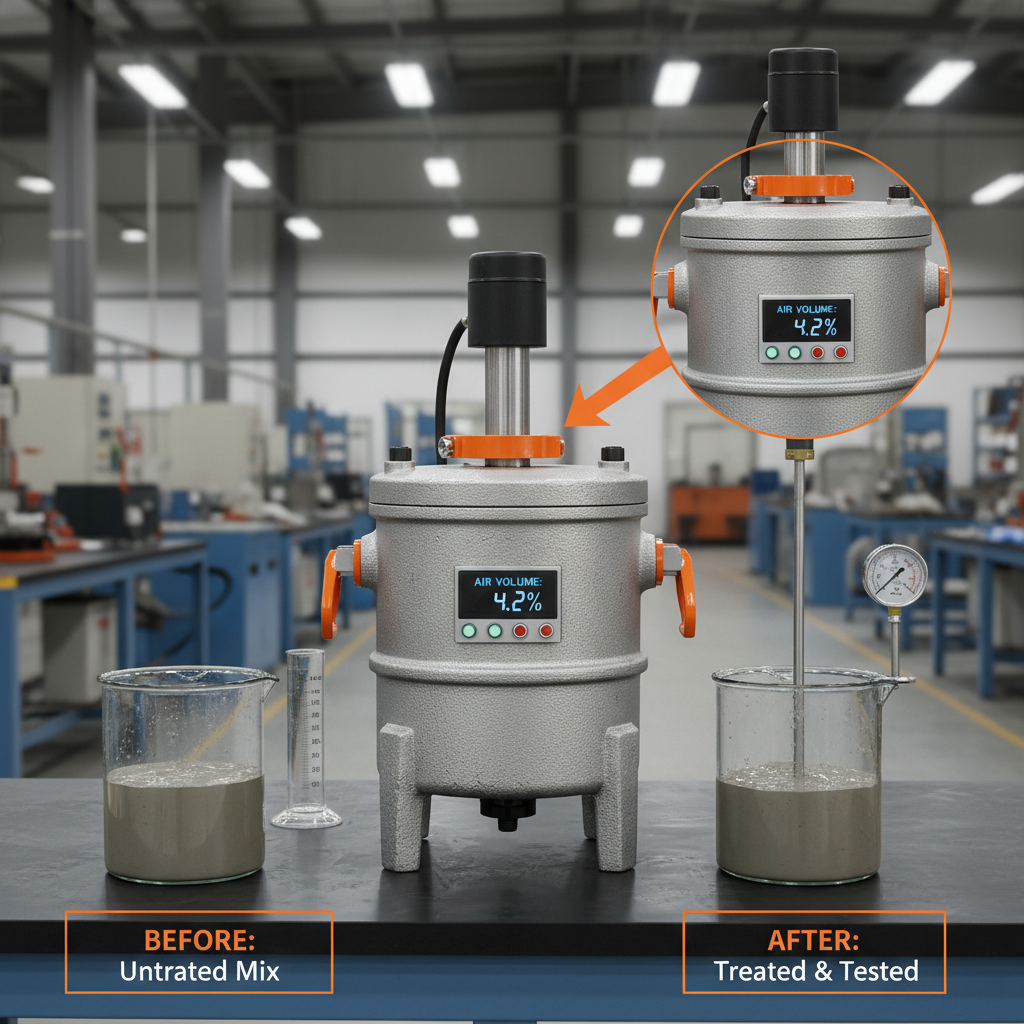
How a Concrete Air Volume Meter Works
The operation of a Concrete Air Volume Meter typically relies on the principle of pressure and volume changes. Most modern devices use the pressure method, where a sample of fresh concrete is placed in a sealed chamber and pressurized. By measuring the change in volume of the air trapped within the concrete under specific pressure levels, the device calculates the percentage of air content. This process is vital because too little air can lead to frost damage, while too much air can significantly reduce the compressive strength of the concrete. Accurate readings allow site managers to make real-time adjustments to the mix design before the concrete is poured.
The Importance of Precise Measurement in Construction
Precision is non-negotiable when dealing with infrastructure. The use of a high-quality Concrete Air Volume Meter ensures that the air void system is properly distributed. Entrained air consists of microscopic bubbles that act as expansion chambers for freezing water, which prevents the internal pressure from rupturing the concrete. Without this "cushion," concrete exposed to cold climates would deteriorate rapidly. Furthermore, consistent measurement helps in reducing material waste and avoiding costly tear-outs and reconstructions caused by substandard air content levels during quality audits.
Industry Fact: Proper air entrainment can increase the freeze-thaw durability of concrete by up to 50%, provided the air volume is kept within the precise range specified by ASTM or EN standards.
Comparing Concrete Air Volume Meter Types
Depending on the project requirements and the type of concrete being used, different types of meters are employed. While the pressure method is the most common, volumetric methods are sometimes used for specific aggregates. Choosing the right Concrete Air Volume Meter depends on the required accuracy, the volume of samples, and the environment of the testing site. Below is a comparison to help you identify the best tool for your application.
Technical Specifications of the Concrete Air Volume Meter
To achieve laboratory-grade results on a construction site, the equipment must meet rigorous technical standards. A professional Concrete Air Volume Meter is built with corrosion-resistant materials to withstand the alkaline nature of cement. The following table outlines the typical specifications found in our industry-leading models, ensuring you get a tool that is both durable and precise.
Best Practices for Using a Concrete Air Volume Meter
To obtain the most accurate data from your Concrete Air Volume Meter, proper sampling and operation are key. First, ensure the sample is representative of the entire batch. Use a standardized tamping rod to consolidate the concrete in the pot, removing any large entrapped air pockets that could skew the results. Always perform a calibration check using a certified reference block before starting a day's testing. By following these professional guidelines, you minimize human error and ensure that the data used for structural approval is beyond reproach.
Maintenance and Long-term Care of Testing Equipment
Because concrete is highly abrasive and corrosive, the maintenance of your Concrete Air Volume Meter is vital for its lifespan. After every use, the pot and lid should be cleaned thoroughly with water to prevent cement buildup, which can interfere with the seal. Check the O-rings and gaskets regularly for wear or cracks; a leaking seal will result in inaccurate readings and potential safety hazards under pressure. Storing the device in a dry, temperate environment prevents oxidation and maintains the precision of the pressure gauges over several years of service.
Conclusion: Elevating Quality Control with Professional Tools
Investing in a high-precision Concrete Air Volume Meter is a commitment to excellence in construction. By providing accurate, real-time data on air content, these tools protect structures from the elements and ensure that every cubic yard of concrete meets the highest safety standards. Whether you are managing a small residential project or a massive infrastructure development, the right measurement tools are the foundation of structural success. Choose quality, prioritize precision, and build for the future.
Frequently Asked Questions (FAQs)
Why is air content so important in concrete?
Air content is primarily crucial for durability in cold climates. Entrained air creates tiny, disconnected bubbles throughout the concrete. When water inside the concrete freezes, it expands. These air bubbles provide "relief valves" or space for the expanding ice to move into, preventing the internal pressure from cracking the concrete. Without proper air volume, the concrete would undergo severe scaling and spalling after just a few freeze-thaw cycles, leading to structural failure.
How often should a Concrete Air Volume Meter be calibrated?
It is generally recommended to calibrate your meter at least once a year through a certified laboratory to ensure compliance with ASTM or EN standards. However, for high-stakes projects, daily verification using a standard reference block is highly encouraged. Any significant drop in the device, a seal replacement, or a heavy impact should also trigger an immediate recalibration to ensure that the readings remain accurate and reliable.
What is the difference between entrained and entrapped air?
Entrained air is intentionally added to the concrete mix using chemical air-entraining agents; these bubbles are microscopic and evenly distributed for durability. Entrapped air, on the other hand, is air that gets caught during the mixing and pouring process—these are larger, irregular bubbles that typically weaken the concrete. A Concrete Air Volume Meter measures the total air content, which is why proper consolidation (tamping) is necessary to remove entrapped air before testing.
Can I use a pressure meter for lightweight concrete?
Generally, the pressure method is not recommended for lightweight concrete or concrete with highly porous aggregates. This is because the pressure applied by the meter can compress the air within the aggregate itself, leading to an overestimation of the air content. In these specific cases, the volumetric method is the industry standard as it does not rely on pressure changes to determine the volume of air in the mix.


