
Professional Concrete Air Content Measuring Device for Quality
Mastering Concrete Quality with an Air Content Measuring Device
In the world of high-performance construction, the durability of concrete is not just about the mix of cement and aggregate; it is about the air. Utilizing a professional Air Content Measuring Device is essential for ensuring that fresh concrete possesses the correct volume of entrained air. This precision measurement is critical for freeze-thaw resistance and overall structural longevity. Whether you are managing a massive infrastructure project or a specialized laboratory, understanding how to quantify air voids can prevent catastrophic cracking and premature degradation. In this guide, we will explore the technical nuances and practical benefits of these essential instruments.
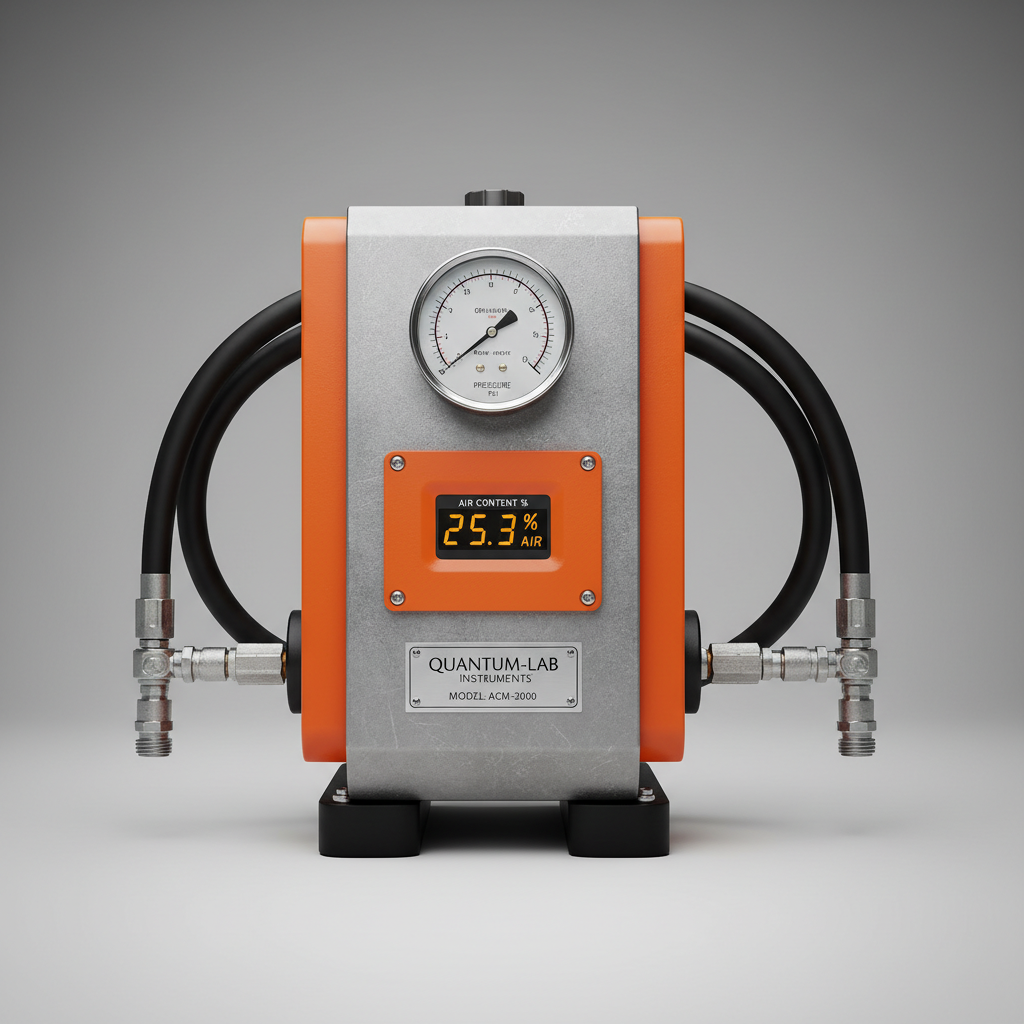
How an Air Content Measuring Device Works
The primary function of an Air Content Measuring Device is to determine the percentage of air voids in freshly mixed concrete. Most professional devices utilize the pressure method, where a known volume of concrete is placed in a sealed chamber and pressurized. By measuring the change in pressure as air bubbles are compressed, the device calculates the precise air volume. This process is vital because too little air makes concrete susceptible to frost damage, while too much air significantly reduces the compressive strength of the final structure.
Industry Insight: Precision in air measurement directly correlates to the "workability" of the concrete, allowing contractors to optimize the water-cement ratio without sacrificing strength.
Choosing the Right Air Content Measuring Device for Your Project
Not all testing environments are the same. Depending on the aggregate size and the specific standards (such as ASTM or EN) you must follow, different types of equipment are required. Some professionals prefer portable digital meters for on-site rapid testing, while others rely on high-precision laboratory apparatus for quality control. An investment in a high-quality Air Content Measuring Device ensures that your data is repeatable and legally defensible during project audits.
Selection Criteria:
• Accuracy: Must meet international ASTM C231 or C173 standards.
• Portability: Lightweight designs for field-side verification.
• Durability: Corrosion-resistant materials to withstand alkaline concrete.
• Calibration: Ease of recalibration to maintain long-term precision.
Comparing Pressure vs. Volumetric Methods
When selecting an Air Content Measuring Device, you will likely encounter two main methodologies: the pressure method and the volumetric method. The pressure method is fast and ideal for most standard mixes. However, for concrete containing lightweight aggregates or highly porous materials, the volumetric method is necessary as it prevents the "false" readings caused by air inside the aggregates themselves. The following table provides a clear technical comparison to help you decide.
Optimizing Concrete Life with an Air Content Measuring Device
The strategic use of an Air Content Measuring Device directly impacts the maintenance costs of a structure. Entrained air creates billions of microscopic bubbles that act as "expansion chambers." When water inside the concrete freezes, it expands; these air bubbles provide the space for that expansion, preventing the concrete from cracking internally. Without consistent monitoring, a slight dip in air content can lead to surface scaling and deep structural fissures within just a few winters. This makes the device an insurance policy for your engineering investment.
Technical Specifications of Modern Testing Equipment
Modern instrumentation has evolved to offer digital readouts and automated calibration. A high-end Air Content Measuring Device today focuses on eliminating human error during the reading process. Below are the typical specifications you can expect from professional-grade equipment designed for international compliance.
Conclusion: Ensuring Structural Integrity with Precision
The role of an Air Content Measuring Device extends far beyond a simple laboratory test; it is a cornerstone of quality assurance in modern civil engineering. By precisely controlling the air void ratio, engineers can guarantee that their structures will withstand the harshest environmental conditions for decades. Investing in high-precision equipment from trusted sources ensures that your projects remain safe, compliant, and durable. When it comes to concrete quality, precision is not optional—it is mandatory.
Frequently Asked Questions (FAQs)
Why is air content so important in concrete?
Air content is critical primarily for freeze-thaw durability. In cold climates, water trapped within the concrete pores freezes and expands. If there are no entrained air voids to accommodate this pressure, the concrete will crack and spall. Additionally, proper air content improves the workability of the wet mix, making it easier to place and finish. However, there is a trade-off: as air content increases, the compressive strength of the concrete typically decreases, which is why using an Air Content Measuring Device to find the "sweet spot" is essential.
How often should an Air Content Measuring Device be calibrated?
To maintain professional standards and compliance with ASTM or EN regulations, these devices should be calibrated at least once a year. However, in high-volume production environments where the device is used daily, quarterly calibration checks are recommended. Calibration ensures that the pressure gauges or digital sensors have not drifted, which could otherwise lead to incorrect mix approvals and potential structural failures. Always keep a calibration log for audit purposes.
Can I use the pressure method for all types of concrete?
No, the pressure method is not suitable for all mixes. Specifically, it cannot be used for concrete containing lightweight aggregates, air-cooled slag, or other porous materials. This is because the pressure method compresses air both within the cement paste and within the aggregates themselves, leading to an overestimation of the air content. In these specific cases, the volumetric method (rolling the concrete in a bowl) is the only accurate way to measure entrained air. Consulting the technical guides at CZ Lab Instrument can help you choose the right tool for your specific mix.
What is the difference between entrained air and entrapped air?
Entrained air consists of microscopic, intentionally added bubbles created by chemical additives (air-entraining agents). These are stable and distributed evenly. Entrapped air, on the other hand, consists of larger, accidental bubbles created during the mixing and pouring process. Entrapped air is usually removed during vibration and does not provide the same freeze-thaw protection. An Air Content Measuring Device is designed to measure the total air content, but professional techniques are used to minimize entrapped air during the sampling process to ensure the reading represents the actual entrained air.


