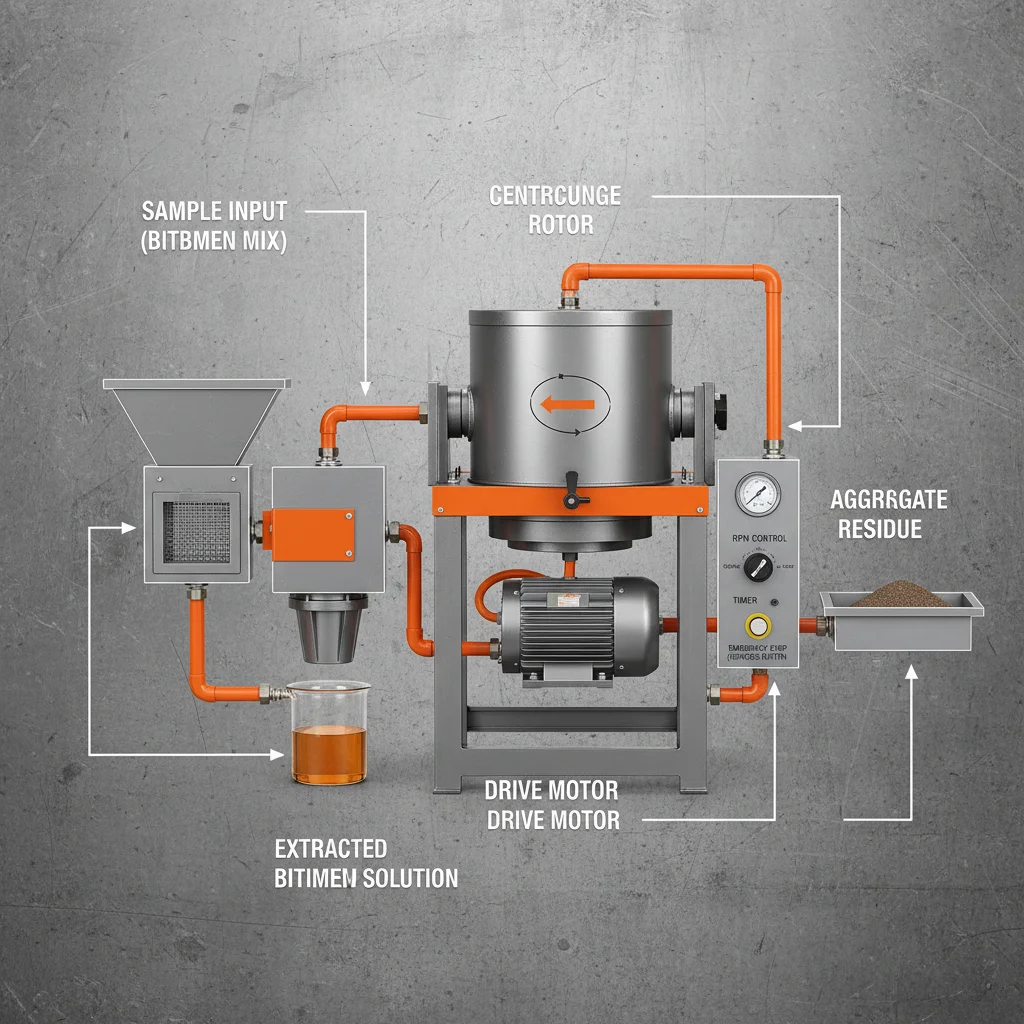
Understanding the Asphalt Mixture Theoretical Maximum Specific Gravity and Density is fundamental to the engineering of durable road surfaces and long-term infrastructure stability. In the world of pavement design, this metric represents the density of an asphalt mixture if all air voids were completely removed, serving as the critical baseline for calculating air void content and volume of voids in mineral aggregate. Without precise measurement, engineers risk creating pavements that are either too porous, leading to premature oxidation and water damage, or too dense, which can result in rutting and instability during high-temperature cycles.
Globally, the standardization of Asphalt Mixture Theoretical Maximum Specific Gravity and Density ensures that highways across different continents maintain a uniform level of safety and longevity. From the high-traffic corridors of North America to the expanding urban networks in Asia, the ability to accurately determine the "Rice" density (theoretical maximum) allows quality control technicians to verify that the asphalt laid on the ground matches the rigorous design specifications established in the laboratory.
The pursuit of precision in determining Asphalt Mixture Theoretical Maximum Specific Gravity and Density is not merely a technical requirement but a financial imperative. Inaccurate density readings lead to costly rework and shortened pavement lifespans, impacting municipal budgets and increasing the carbon footprint of road maintenance. By utilizing advanced laboratory equipment and adhering to standardized protocols, the industry can optimize material usage, reduce waste, and ensure that every kilometer of road is built to withstand the test of time and traffic.

Global Importance of Asphalt Mixture Theoretical Maximum Specific Gravity and Density
The global infrastructure landscape relies heavily on the precise calculation of Asphalt Mixture Theoretical Maximum Specific Gravity and Density to prevent catastrophic road failures. According to international standards such as ASTM and AASHTO, the theoretical maximum specific gravity (Gmm) is the benchmark against which the bulk specific gravity (Gmb) of compacted specimens is compared. This comparison is the only way to determine the percentage of air voids, which is the primary indicator of a road's resistance to permeability and rutting.
In emerging economies where rapid urbanization is prioritized, the lack of stringent control over Asphalt Mixture Theoretical Maximum Specific Gravity and Density often leads to premature potholes and surface cracking. By adopting rigorous testing protocols and high-precision laboratory instruments, countries can ensure that their transportation networks are sustainable, reducing the need for frequent, resource-heavy repairs and improving overall traffic safety.
Defining the Core Mechanics of Theoretical Maximum Density
At its simplest level, Asphalt Mixture Theoretical Maximum Specific Gravity and Density refers to the mass of a given volume of asphalt mixture that contains no air voids. In a laboratory setting, this is typically achieved by applying a vacuum to a sample of the mix, which pulls out all entrapped air. This process reveals the true density of the combined solids—the bitumen and the mineral aggregate—providing a theoretical ceiling for how dense a compacted road can possibly be.
This metric is indispensable for modern civil engineering because it bridges the gap between material design and field execution. When a project manager asks, "Is the road compacted enough?", they are actually asking how close the field density is to the Asphalt Mixture Theoretical Maximum Specific Gravity and Density. If the gap is too wide, the road is too porous; if it is too narrow, the mix may bleed bitumen to the surface under heat.
Furthermore, this density value is not a static number but is influenced by the specific gravity of the aggregates used and the grade of the bitumen binder. As the industry moves toward using modified polymers and recycled asphalt pavements (RAP), the ability to accurately define the theoretical maximum becomes even more complex, requiring more sophisticated vacuum equipment and precise weighing scales to maintain accuracy.
Critical Factors Influencing Specific Gravity Accuracy
The precision of Asphalt Mixture Theoretical Maximum Specific Gravity and Density is heavily dependent on the quality of the vacuum applied during the test. If the vacuum pressure is insufficient or if the duration of the vacuum cycle is too short, air bubbles may remain trapped within the bitumen film, leading to an underestimation of the true density. This discrepancy can cascade through the project, resulting in incorrect air void calculations.
Temperature control is another non-negotiable factor when measuring Asphalt Mixture Theoretical Maximum Specific Gravity and Density. Since bitumen is a thermoplastic material, its volume changes significantly with temperature. Any fluctuation in the testing environment or the sample temperature during weighing can introduce errors that skew the results, making the use of calibrated heating plates and ovens essential for reliability.
Finally, the cleanliness and calibration of the laboratory equipment play a vital role. Residual materials in the testing vessel or a poorly calibrated electronic balance can lead to marginal errors in mass. In the context of Asphalt Mixture Theoretical Maximum Specific Gravity and Density, even a deviation of 0.001 in specific gravity can significantly change the calculated air void percentage, potentially leading to a failure in quality compliance.
Comparative Analysis of Measurement Methodologies
There are various approaches to determining Asphalt Mixture Theoretical Maximum Specific Gravity and Density, with the vacuum method (Rice Method) being the gold standard. This method involves placing a sample in a specially designed container and subjecting it to a high vacuum. While highly accurate, it is time-consuming and requires specialized hardware, which can be a bottleneck in fast-paced construction projects.
Alternative rapid-testing methods have emerged, utilizing non-destructive nuclear gauges or electromagnetic sensors. While these provide immediate feedback on the field, they still require a baseline Asphalt Mixture Theoretical Maximum Specific Gravity and Density value obtained from the lab to interpret the data correctly. Therefore, the laboratory measurement remains the anchor for all field-based density assessments.
Efficiency and Accuracy of Asphalt Mixture Theoretical Maximum Specific Gravity and Density Methods
Industrial Applications Across Global Infrastructure
In the real world, the application of Asphalt Mixture Theoretical Maximum Specific Gravity and Density is most evident in the construction of airport runways. Because aircraft exert immense pressure and create high shear forces during takeoff and landing, the density of the asphalt must be near-perfect. Any deviation in the Gmm value can lead to surface deformation, which poses a critical safety risk to aviation.
Similarly, in extreme climates—such as the frozen tundra of Northern Europe or the scorching deserts of the Middle East—controlling the Asphalt Mixture Theoretical Maximum Specific Gravity and Density is the only way to prevent thermal cracking and rutting. In these regions, specialized bitumen modifiers are used, and the theoretical maximum density is recalculated to account for the additive's effect on the overall volume of the mix.
Long-Term Economic and Structural Advantages
The primary advantage of mastering Asphalt Mixture Theoretical Maximum Specific Gravity and Density is the dramatic extension of a road's service life. When a mixture is compacted to the optimal percentage of its theoretical maximum, it achieves a balance between strength and flexibility. This prevents the premature infiltration of water, which is the leading cause of freeze-thaw damage and subsequent potholes, thereby saving governments millions in annual maintenance costs.
From a sustainability perspective, accurate density measurement allows for the optimal use of bitumen—one of the most expensive components of the mix. By precisely calculating the Asphalt Mixture Theoretical Maximum Specific Gravity and Density, engineers can avoid "over-designing" the mix, which reduces the consumption of petroleum-based binders and lowers the overall carbon footprint of the construction project.
Furthermore, there is an emotional and social component to this technical precision: trust and safety. A road that doesn't develop ruts or cracks within two years provides a sense of reliability for the public and protects the dignity of the infrastructure investment. High-quality roads facilitate smoother logistics, reduce vehicle wear and tear for citizens, and symbolize a commitment to engineering excellence.
Future Innovations in Density Testing Technology
The future of determining Asphalt Mixture Theoretical Maximum Specific Gravity and Density is moving toward full automation and digitalization. We are seeing the rise of "Smart Labs" where vacuum cycles are controlled by AI algorithms that adjust pressure based on the real-time viscosity of the bitumen. This removes human error from the equation and ensures that every sample is treated with absolute consistency.
Moreover, the integration of green energy and sustainable materials is forcing a redesign of how we view Asphalt Mixture Theoretical Maximum Specific Gravity and Density. With the increase in Warm Mix Asphalt (WMA) and bio-binders, the industry is developing new sensors that can measure density without the need for traditional vacuum chambers, potentially allowing for real-time, in-line density monitoring during the mixing process at the plant.
As the digital transformation of construction continues, BIM (Building Information Modeling) will likely integrate live density data from the field back into the design model. This closed-loop system will allow engineers to adjust the mix design on the fly, ensuring that the Asphalt Mixture Theoretical Maximum Specific Gravity and Density is optimized for the specific environmental conditions of each section of the road.
Comparative Analysis of Density Testing Factors and Outcomes
| Testing Variable |
Impact on Density Value |
Risk of Neglect |
Optimization Score (1-10) |
| Vacuum Pressure |
High - Removes entrapped air |
Underestimated Gmm |
10 |
| Sample Temperature |
Medium - Affects volume |
Inconsistent readings |
9 |
| Aggregate Grade |
High - Determines skeleton |
Structural instability |
8 |
| Bitumen Viscosity |
Medium - Affects flow |
Poor binder coating |
7 |
| Weighing Precision |
Low - Marginal error |
Compliance failure |
9 |
| Vacuum Duration |
Medium - Ensures full extraction |
Residual air voids |
8 |
FAQS
Bulk density refers to the actual density of the compacted asphalt mixture, including the air voids present in the road. In contrast, Asphalt Mixture Theoretical Maximum Specific Gravity and Density represents the density if all air voids were removed. The difference between these two values is used to calculate the air void percentage, which is critical for determining the pavement's durability and permeability.
The vacuum method is the industry gold standard because it is the most effective way to ensure that all entrapped air is removed from the bitumen-coated aggregate. By creating a vacuum environment, the air is literally sucked out of the sample, providing a true measurement of the solid materials' volume and mass, which is essential for an accurate Gmm value.
Asphalt is highly temperature-sensitive. As temperature increases, the bitumen expands, increasing the overall volume and decreasing the specific gravity. If samples are measured at inconsistent temperatures, the resulting Asphalt Mixture Theoretical Maximum Specific Gravity and Density will be inaccurate, leading to incorrect calculations of the air void content in the field.
Yes, the addition of RAP significantly alters the properties of the mix. RAP contains aged bitumen which has a different specific gravity than virgin bitumen. Therefore, when using RAP, the Asphalt Mixture Theoretical Maximum Specific Gravity and Density must be re-tested and recalculated to ensure the new mix design maintains the required structural integrity.
If the Gmm is underestimated, the calculated air void percentage will appear lower than it actually is. This may lead an engineer to believe the road is sufficiently compacted when it is actually too porous. Over time, this allows water to penetrate the pavement, leading to rapid oxidation, stripping of the binder, and premature pothole formation.
The most critical pieces of equipment include a high-performance vacuum pump, a precision electronic balance (accurate to 0.1g), temperature-controlled ovens, and calibrated heating plates. Ensuring these instruments are regularly serviced and calibrated is the only way to maintain the integrity of the Asphalt Mixture Theoretical Maximum Specific Gravity and Density measurements.
Conclusion
In summary, the mastery of Asphalt Mixture Theoretical Maximum Specific Gravity and Density is the cornerstone of quality asphalt pavement engineering. By accurately determining the theoretical maximum density, engineers can precisely control the air void content, which directly dictates the road's resistance to rutting, water damage, and overall wear. From the selection of high-precision vacuum equipment to the rigorous control of sample temperatures, every step in the measurement process contributes to the longevity and safety of our global transportation infrastructure.
Looking forward, the integration of AI-driven automation and real-time sensor technology will further refine how we measure and apply these density standards. As the industry shifts toward more sustainable, recycled materials, the continued pursuit of precision in Asphalt Mixture Theoretical Maximum Specific Gravity and Density will be the key to building resilient, eco-friendly cities. For those seeking to enhance their laboratory capabilities and ensure compliance with international standards, we invite you to explore our professional solutions. Visit our website: www.czlabinstrument.com