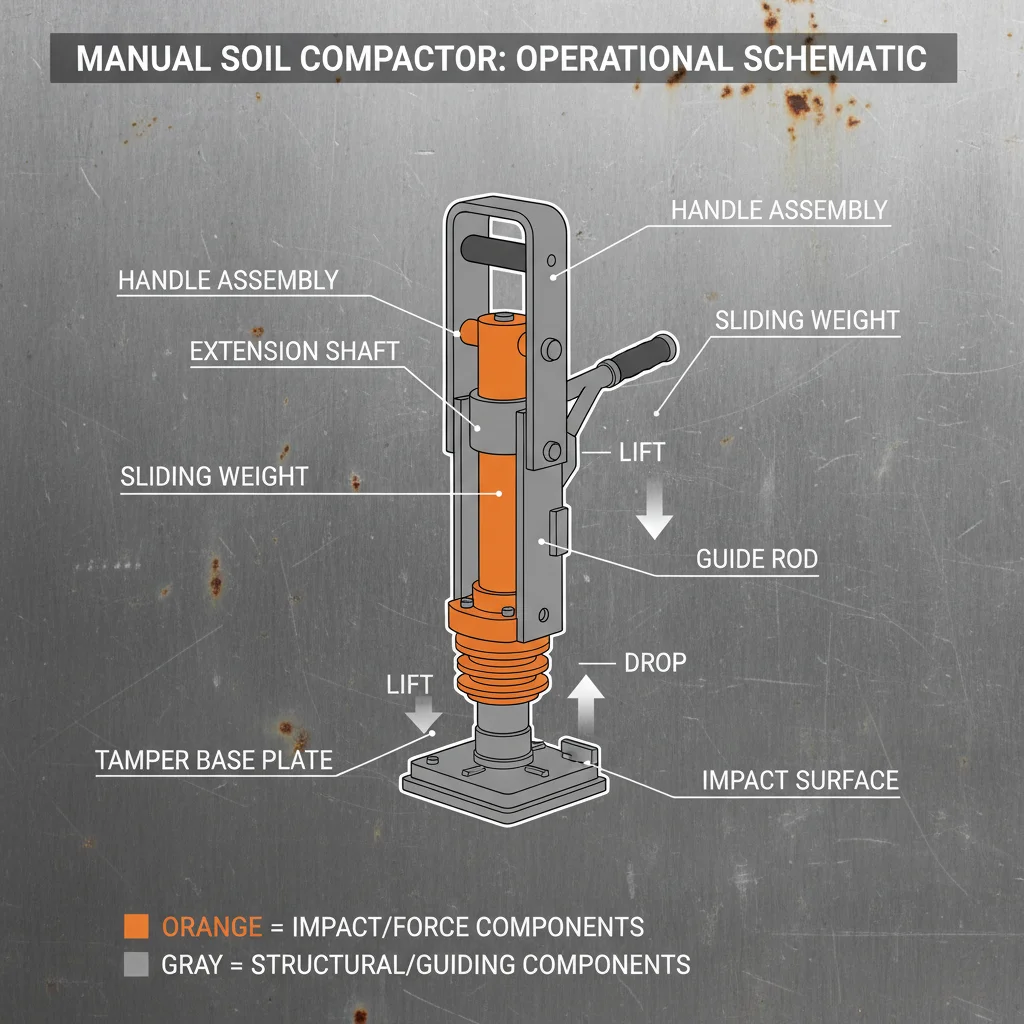
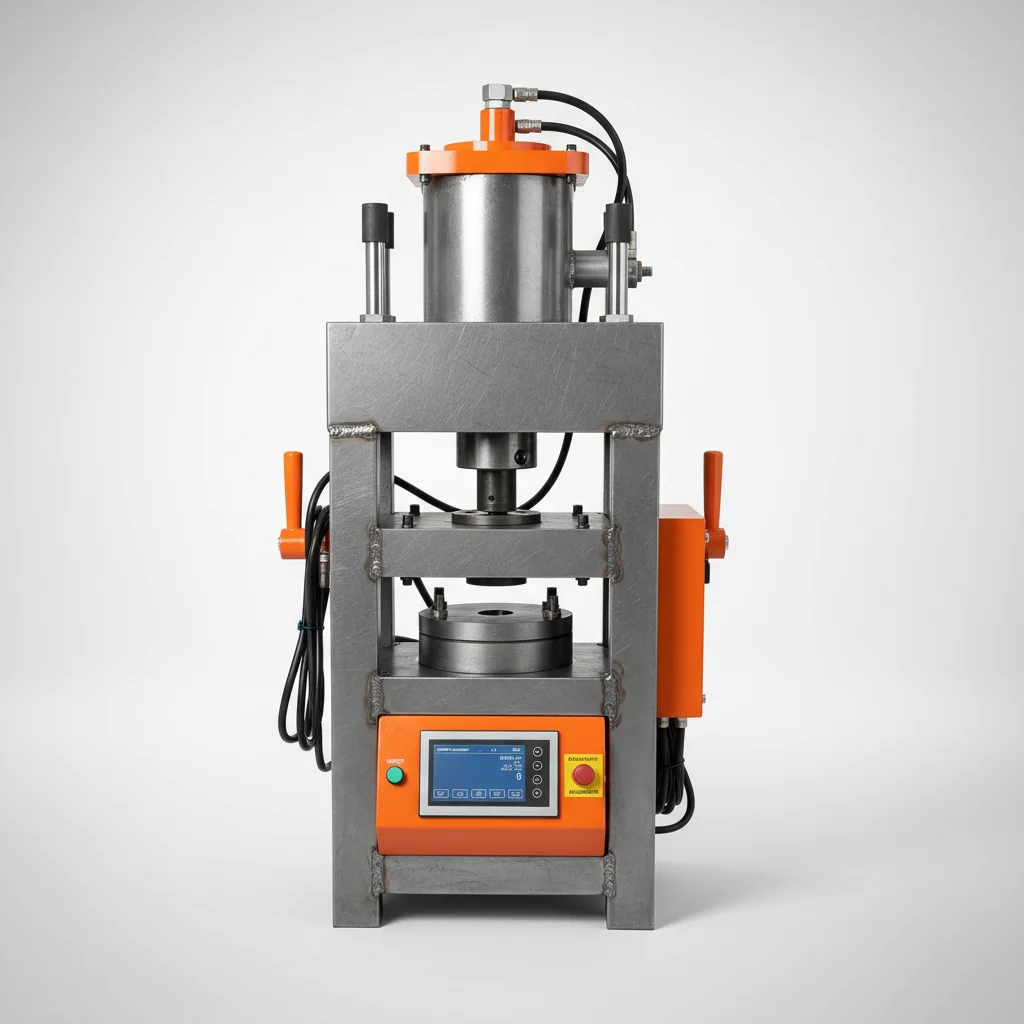
Soil compaction is a fundamental process in geotechnical engineering and construction, ensuring that the ground can support heavy loads without excessive settlement. The use of a professional Soil Compaction Test Apparatus is critical for determining the optimum moisture content and maximum dry density of various soil types, which directly influences the stability of roads, dams, and building foundations globally.
In the modern construction landscape, failing to properly compact soil can lead to catastrophic structural failures and expensive maintenance costs. By implementing standardized testing protocols, engineers can predict how a specific soil sample will behave under pressure, allowing for the creation of a precise compaction specification that guarantees long-term infrastructure durability and safety.
To achieve these rigorous standards, the integration of precision laboratory equipment is essential. For instance, while the Soil Compaction Test Apparatus provides the physical density data, high-quality drying ovens are often used in tandem to remove moisture and verify the dry mass of samples, ensuring that the final calculations are mathematically accurate and compliant with international ISO and ASTM standards.

Global Relevance of Soil Compaction Testing
On a global scale, infrastructure development is inextricably linked to the quality of the ground it rests upon. From the vast highway networks in North America to the rapid urban expansion in Southeast Asia, the use of a Soil Compaction Test Apparatus ensures that the soil is engineered to withstand the specific stresses of its environment, reducing the risk of sinkholes and pavement cracking.
Industry data suggests that a significant percentage of road failures are attributable to poor subgrade compaction. By adhering to strict ISO standards, engineering firms can utilize precise apparatus to eliminate air voids within the soil, thereby increasing the shear strength and decreasing the permeability of the ground, which is vital for flood-prone regions.
Defining the Soil Compaction Test Apparatus
A Soil Compaction Test Apparatus is a specialized set of laboratory tools designed to determine the relationship between the moisture content of a soil and its dry density when subjected to a specific compactive effort. In simple terms, it helps engineers find the "sweet spot" of water content that allows soil particles to slide into the tightest possible configuration.
This process is essential for modern humanitarian and industrial needs, particularly in the construction of safe housing in developing nations and the stabilization of remote industrial zones. Without the data provided by this apparatus, construction would rely on guesswork, which is unacceptable when human lives and multi-million dollar investments are at stake.
Beyond the physical hammers and molds, the "apparatus" often encompasses a wider ecosystem of lab equipment. This includes precise weighing scales and thermal drying ovens—such as the forced air lab ovens—which are required to dry the soil samples to a constant mass to accurately calculate the moisture percentage.
Core Components of Effective Testing
The effectiveness of a Soil Compaction Test Apparatus depends heavily on the durability of its components. High-grade steel molds and precision-machined rammers are necessary to ensure that the energy applied to the soil is consistent across different trials, preventing skewed data that could lead to incorrect field specifications.
Scalability and precision are equally important. Modern Soil Compaction Test Apparatus sets are designed to handle various soil types, from silty clays to coarse sands. The ability to switch between Standard and Modified Proctor tests allows laboratories to adapt their testing energy to the specific requirements of the project, whether it's a light residential driveway or a heavy-duty airport runway.
Finally, cost-efficiency in the long run is achieved through the use of equipment that requires minimal calibration and resists wear. When the Soil Compaction Test Apparatus is paired with a programmable Watlow controller in a drying oven for moisture removal, the laboratory achieves a seamless workflow that minimizes human error and maximizes throughput.
Industrial Applications and Use Cases
In real-world contexts, these testing protocols are applied across diverse sectors. In the aerospace industry, for example, the runways of international airports require extreme compaction to support the weight of heavy aircraft; here, the data from a Soil Compaction Test Apparatus determines the exact number of passes a roller must make over the site.
Furthermore, in post-disaster relief operations, rapid infrastructure deployment depends on quickly assessing the load-bearing capacity of available soil. Portable testing kits allow NGOs and government agencies to establish stable foundations for emergency shelters and medical clinics in remote industrial zones where soil conditions are unknown and unpredictable.
Performance Efficiency of Different Soil Compaction Test Apparatus Methods
Long-Term Value of Precision Testing
The tangible benefits of investing in a high-quality Soil Compaction Test Apparatus extend far beyond the initial construction phase. By ensuring the soil reaches its maximum dry density, developers significantly reduce the probability of differential settlement, which prevents the costly cracking of concrete slabs and the warping of structural steel.
From an emotional and ethical standpoint, this precision translates to safety and trust. When a bridge or a dam is built using data-backed compaction methods, it provides the public with a sense of security and dignity, knowing that the infrastructure was designed with a commitment to innovation and rigorous scientific validation.
Future Trends in Geotechnical Instrumentation
The future of soil analysis is moving toward digital transformation and automation. We are seeing the rise of "Smart" Soil Compaction Test Apparatus systems that integrate sensors to provide real-time data feedback, reducing the need for manual sampling and the time-consuming process of transporting materials to a central laboratory.
Sustainability is also playing a larger role, with a shift toward green energy in lab environments. The integration of energy-efficient heating elements in companion drying ovens and the use of recycled alloys in the construction of test molds reflect a global commitment to reducing the carbon footprint of geotechnical engineering.
Furthermore, the advent of AI-driven predictive modeling allows engineers to use a smaller number of physical tests to extrapolate the compaction curves of entire sites. This synergy between physical apparatus and digital twins is revolutionizing how we approach land development and urban planning.
Overcoming Technical Challenges in Soil Analysis
One of the primary challenges in soil testing is the inherent variability of natural deposits. A Soil Compaction Test Apparatus may produce different results for two samples taken only a few meters apart, which can lead to confusion during the field implementation of compaction specifications.
To overcome this, experts suggest a multi-layered sampling approach and the use of forced air ovens with programmable ramp and soak controllers to ensure that the moisture removal process is uniform across all samples, thereby eliminating thermal gradients that could affect the dry mass readings.
Another common limitation is the time required for traditional oven-drying methods. The solution lies in upgrading to high-volume industrial ovens with integrated over-temperature limits (OTL), which allow for larger batches of samples to be processed safely and rapidly without compromising the integrity of the soil structure.
Comparative Analysis of Soil Compaction Testing Parameters
| Testing Dimension |
Standard Proctor |
Modified Proctor |
Impact Level |
| Compactive Effort |
Low (approx. 600 kN-m/m³) |
High (approx. 2700 kN-m/m³) |
Moderate |
| Typical Application |
Residential Embankments |
Airport Runways |
High |
| Testing Time |
Fast |
Moderate |
Medium |
| Accuracy Rating |
7/10 |
9/10 |
9/10 |
| Equipment Wear |
Minimal |
Significant |
High |
| Moisture Sensitivity |
Moderate |
Very High |
Critical |
FAQS
The primary purpose is to determine the optimum moisture content (OMC) and the maximum dry density (MDD) of a soil sample. This information is crucial for construction engineers to ensure that the soil is compacted to a level that can support the intended structural load without failing or settling over time.
The modified Proctor test applies a significantly higher compactive effort than the standard test, usually through a heavier hammer and a higher drop height. This is used for projects that will face heavier loads, such as highways or airport pavements, to simulate the high-pressure compaction from heavy modern machinery.
To calculate the dry density, the moisture must be completely removed from the soil sample. A precision drying oven ensures that the water is evaporated at a controlled temperature (typically around 110°C), allowing for an accurate weight measurement of the dry soil particles, which is the basis for all density calculations.
While the general principle applies to most soils, different molds and hammer weights are used depending on whether the soil is granular (sands) or cohesive (clays). Some specialized soils may require alternative methods, but the core apparatus is adaptable to a wide range of geological materials.
Calibration should be performed annually or after any major impact or repair. Ensuring that the rammer weight and the mold volume are exact is critical, as even a small deviation can lead to inaccurate density results and potential failures in the field.
Common failures include improper sample preparation, inaccurate moisture measurements due to poor drying, and inconsistent application of the rammer. Using programmable lab ovens and high-quality, standardized apparatus significantly reduces these risks.
Conclusion
The Soil Compaction Test Apparatus remains an indispensable tool in the field of civil engineering, bridging the gap between raw geological materials and stable, long-lasting infrastructure. By meticulously determining the relationship between moisture and density, and supporting those tests with precision drying equipment, engineers can guarantee the safety and durability of the built environment.
Looking forward, the integration of automated sensing and energy-efficient laboratory technology will only enhance the accuracy and speed of soil analysis. We encourage professionals to invest in high-specification instrumentation to ensure their projects meet the highest international standards of safety and sustainability. Visit our website: www.czlabinstrument.com