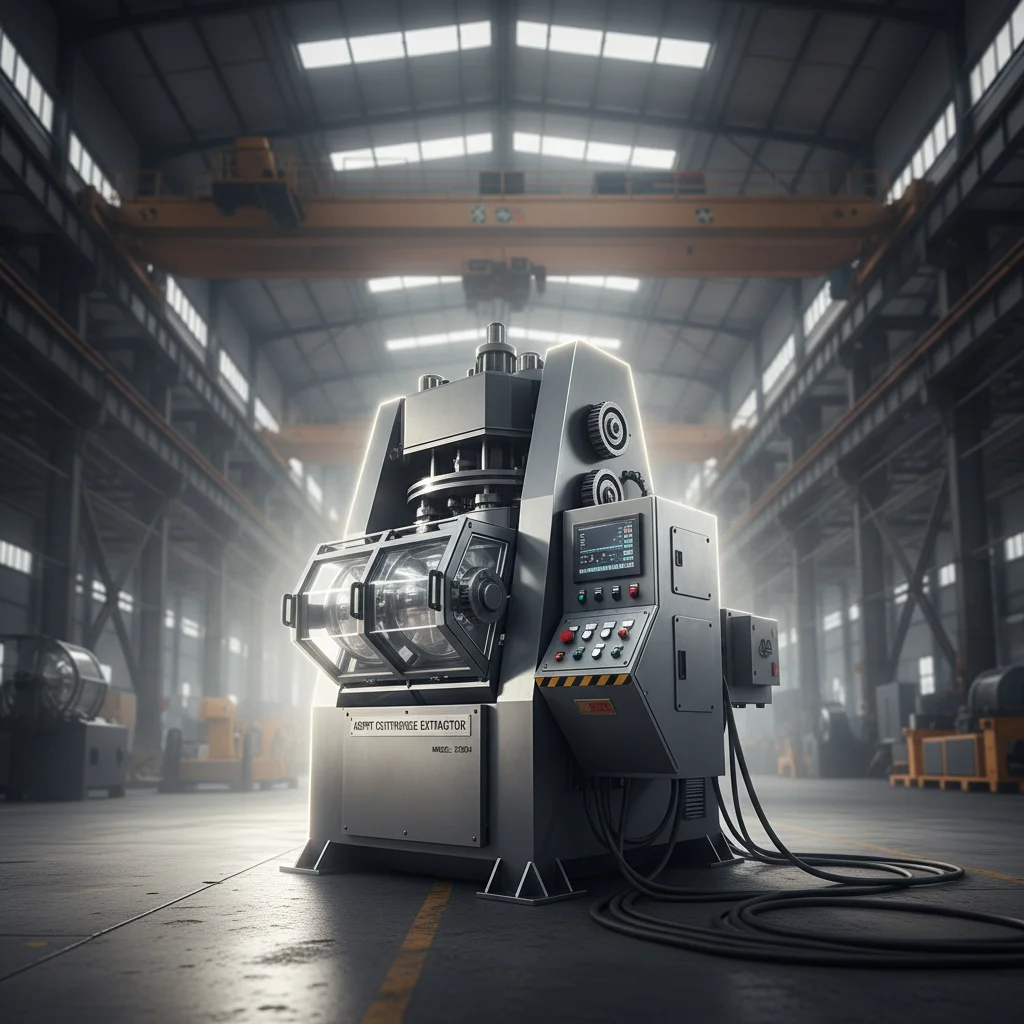
The precision of material testing in civil engineering often hinges on the reliability of specialized extraction equipment. Among these, the Bitumen Centrifuge Extractor 1500~3000g Capacity stands as a critical tool for determining the binder content in asphalt mixtures, ensuring that road surfaces meet rigorous safety and durability standards. By utilizing high-centrifugal forces, this equipment allows engineers to separate bitumen from aggregates with unmatched accuracy, which is essential for quality control in large-scale infrastructure projects.
Globally, the demand for high-performance road materials has surged, leading to a stricter adherence to ISO and ASTM standards. The Bitumen Centrifuge Extractor 1500~3000g Capacity addresses the industry challenge of inconsistent binder distribution, which often leads to premature pavement failure such as rutting or cracking. By providing a consistent centrifugal force between 1500g and 3000g, labs can achieve repeatable results that reflect the true composition of the material.
Understanding the operational nuances of the Bitumen Centrifuge Extractor 1500~3000g Capacity not only optimizes laboratory workflows but also reduces material waste and project costs. From scientific research institutes to on-site construction quality inspection teams, the ability to rapidly and accurately extract bitumen is a cornerstone of modern pavement engineering, contributing to the longevity and sustainability of global transport networks.

Global Relevance of Bitumen Centrifuge Extractor 1500~3000g Capacity
In the context of global urban expansion, the integrity of road infrastructure is paramount. The Bitumen Centrifuge Extractor 1500~3000g Capacity plays a pivotal role in ensuring that the asphalt used in highways and airport runways adheres to strict volumetric specifications. By standardizing the extraction process, countries can ensure that their infrastructure is built to withstand extreme weather and heavy traffic loads.
Furthermore, international quality standards such as those set by the AASHTO and ASTM require precise measurement of bitumen content to validate the stability of asphalt mixes. The use of a Bitumen Centrifuge Extractor 1500~3000g Capacity allows laboratories across different continents to generate comparable data, facilitating the global exchange of pavement engineering research and the implementation of best practices in road construction.
Defining the Bitumen Centrifuge Extractor 1500~3000g Capacity
The Bitumen Centrifuge Extractor 1500~3000g Capacity is a specialized laboratory instrument designed to separate the bitumen binder from mineral aggregates in an asphalt sample using centrifugal force. Unlike traditional solvent-based methods that may be slower or less consistent, the centrifuge method accelerates the separation process by spinning the sample at high speeds, forcing the solvent-bitumen solution through a filter paper and into a collection flask.
The "1500~3000g" specification refers to the Relative Centrifugal Force (RCF), which is the ratio of the centrifugal acceleration to the acceleration due to gravity. This specific range is critical because it provides enough force to efficiently extract the binder without damaging the structural integrity of the sample or causing excessive turbulence that could lead to sample loss.
In modern industry, this equipment is more than just a tool; it is a safeguard for public safety. By ensuring that the bitumen content is neither too high (which causes bleeding and rutting) nor too low (which leads to raveling and cracking), the Bitumen Centrifuge Extractor 1500~3000g Capacity ensures that roads remain durable and safe for millions of commuters daily.
Core Components of Bitumen Centrifuge Extractor 1500~3000g Capacity
The operational efficiency of the Bitumen Centrifuge Extractor 1500~3000g Capacity relies on several key engineering components. First is the high-torque motor, which must maintain a constant speed to ensure the centrifugal force remains within the required 1500~3000g range. Any fluctuation in speed can lead to inaccurate extraction times and inconsistent results.
Another critical element is the rotor assembly and the centrifuge cups. The Bitumen Centrifuge Extractor 1500~3000g Capacity utilizes precision-balanced rotors to minimize vibration during high-speed operation. This stability is essential for the safety of the operator and the longevity of the machine's bearings, preventing mechanical fatigue over thousands of test cycles.
Finally, the filtration system and collection flasks are designed to prevent the evaporation of volatile solvents. The Bitumen Centrifuge Extractor 1500~3000g Capacity employs secure sealing mechanisms that ensure every drop of extracted bitumen is captured, allowing for a highly accurate mass balance calculation when determining the percentage of binder in the original sample.
Practical Applications of Bitumen Centrifuge Extractor 1500~3000g Capacity
The application of the Bitumen Centrifuge Extractor 1500~3000g Capacity spans across various sectors of the construction industry. In government quality inspection labs, it is used to verify that contractors are using the correct amount of bitumen as specified in the project contract, preventing the use of "lean" mixes that would save costs but compromise road life.
In remote industrial zones or during the construction of sprawling highway networks, portable or site-based Bitumen Centrifuge Extractor 1500~3000g Capacity units allow for real-time adjustments to the asphalt plant's mixing process. This immediate feedback loop ensures that every ton of asphalt laid on the road meets the required technical specifications.
Performance Comparison of Bitumen Centrifuge Extractor 1500~3000g Capacity Methods
Long-Term Value and Reliability of Bitumen Centrifuge Extractor 1500~3000g Capacity
Investing in a high-quality Bitumen Centrifuge Extractor 1500~3000g Capacity offers significant long-term economic and structural value. By reducing the variance in test results, agencies can avoid costly road rehabilitations caused by incorrect binder content. The reliability of the extraction process builds trust between the contractor and the regulatory body, ensuring that the road is an asset rather than a liability.
Beyond the financial metrics, the use of this equipment promotes sustainability. When bitumen content is optimized via the Bitumen Centrifuge Extractor 1500~3000g Capacity, the lifespan of the pavement is extended, reducing the frequency of repaving and the corresponding carbon footprint associated with asphalt production and transport.
Future Innovations in Bitumen Centrifuge Extractor 1500~3000g Capacity
The future of the Bitumen Centrifuge Extractor 1500~3000g Capacity is moving toward complete automation and digital integration. We are seeing the emergence of "smart" centrifuges that can automatically adjust their RPM based on the sample density, ensuring that the centrifugal force remains exactly within the target 1500~3000g range regardless of the material's initial state.
Furthermore, the integration of IoT (Internet of Things) allows these machines to upload test data directly to a cloud-based Quality Management System (QMS). This means that a project manager in a central office can monitor the bitumen extraction results of a Bitumen Centrifuge Extractor 1500~3000g Capacity operating at a remote site in real-time, drastically speeding up the approval process for road layers.
Another trend is the development of "green" extraction methods. Future versions of the Bitumen Centrifuge Extractor 1500~3000g Capacity are being designed to work with eco-friendly, non-toxic solvents, reducing the environmental impact of laboratory waste while maintaining the high-precision extraction capabilities required by international standards.
Challenges and Solutions for Bitumen Centrifuge Extractor 1500~3000g Capacity
One of the primary challenges encountered with the Bitumen Centrifuge Extractor 1500~3000g Capacity is the risk of imbalance. Even a few grams of difference between opposite cups can cause violent vibrations at 3000g, potentially damaging the motor or risking operator safety. The solution lies in the implementation of high-precision digital balances and rigorous training for laboratory technicians to ensure symmetrical loading.
Another common issue is the degradation of filter media, which can lead to the loss of bitumen fines or the contamination of the extract. To overcome this, modern Bitumen Centrifuge Extractor 1500~3000g Capacity systems utilize standardized, reinforced filter papers and a refined cup design that minimizes the risk of leakage or filter rupture during high-speed rotation.
Finally, the maintenance of the motor's speed accuracy can be a challenge over years of heavy use. Implementing a scheduled calibration program using an external tachometer ensures that the Bitumen Centrifuge Extractor 1500~3000g Capacity continues to deliver the precise RCF required for valid test results.
Comparative Analysis of Bitumen Centrifuge Extractor 1500~3000g Capacity Performance Metrics
| Testing Dimension |
Standard Model |
Premium Model |
Impact on Result |
| Extraction Speed |
Moderate |
Rapid |
High Efficiency |
| Vibration Level |
Low |
Ultra-Low |
Enhanced Safety |
| Precision (g) |
± 50g |
± 10g |
Higher Accuracy |
| Durability Score |
7/10 |
9/10 |
Lower Maintenance |
| Ease of Use |
Manual Control |
Digital Preset |
Reduced Human Error |
| Cost Value |
Economy |
Investment |
Long-term ROI |
FAQS
This specific range of Relative Centrifugal Force (RCF) is standardized to ensure that the bitumen binder is efficiently separated from the aggregate without causing mechanical failure of the filter paper or excessive turbulence. If the force is too low, extraction is incomplete; if too high, it can lead to sample loss or equipment instability.
It is recommended to calibrate the motor speed and balance of the Bitumen Centrifuge Extractor 1500~3000g Capacity every six months or after any major move. Calibration ensures that the actual RCF matches the digital readout, which is critical for maintaining the validity of laboratory test results.
An unbalanced load in a Bitumen Centrifuge Extractor 1500~3000g Capacity can cause severe vibrations, which may lead to the failure of the motor bearings or, in extreme cases, the structural failure of the rotor. Always use a precision scale to ensure opposite cups have identical weights.
While the machine can handle various solvents, you must use those specified by the testing standard (such as Trichloroethylene or Methylene Chloride). Ensure the solvents are compatible with the seals and gaskets of your specific Bitumen Centrifuge Extractor 1500~3000g Capacity to avoid corrosion.
Yes, it is suitable for most hot-mix asphalt and cold-mix bitumen samples. However, for highly modified polymers, you may need to adjust the extraction time within the 1500~3000g force range to ensure complete separation of the binder from the aggregates.
Regularly clean the rotor and cups to remove bitumen residue, check the belt tension (if applicable), and ensure the housing is kept free of dust. Using high-quality filter papers and adhering to the weight balancing protocol are the best ways to extend the life of a Bitumen Centrifuge Extractor 1500~3000g Capacity.
Conclusion
The Bitumen Centrifuge Extractor 1500~3000g Capacity is an indispensable asset in the field of pavement engineering, providing the precision and reliability needed to ensure infrastructure safety. By strictly controlling the centrifugal force and utilizing high-quality components, this equipment allows for the accurate determination of binder content, which directly correlates to the durability and lifespan of roads and runways worldwide.
As the industry moves toward smarter, more sustainable construction practices, the role of high-precision testing equipment will only grow. We suggest that laboratories invest in automated and digitally integrated versions of the Bitumen Centrifuge Extractor 1500~3000g Capacity to minimize human error and maximize data transparency. For more information on professional asphalt testing solutions, visit our website: www.czlabinstrument.com.