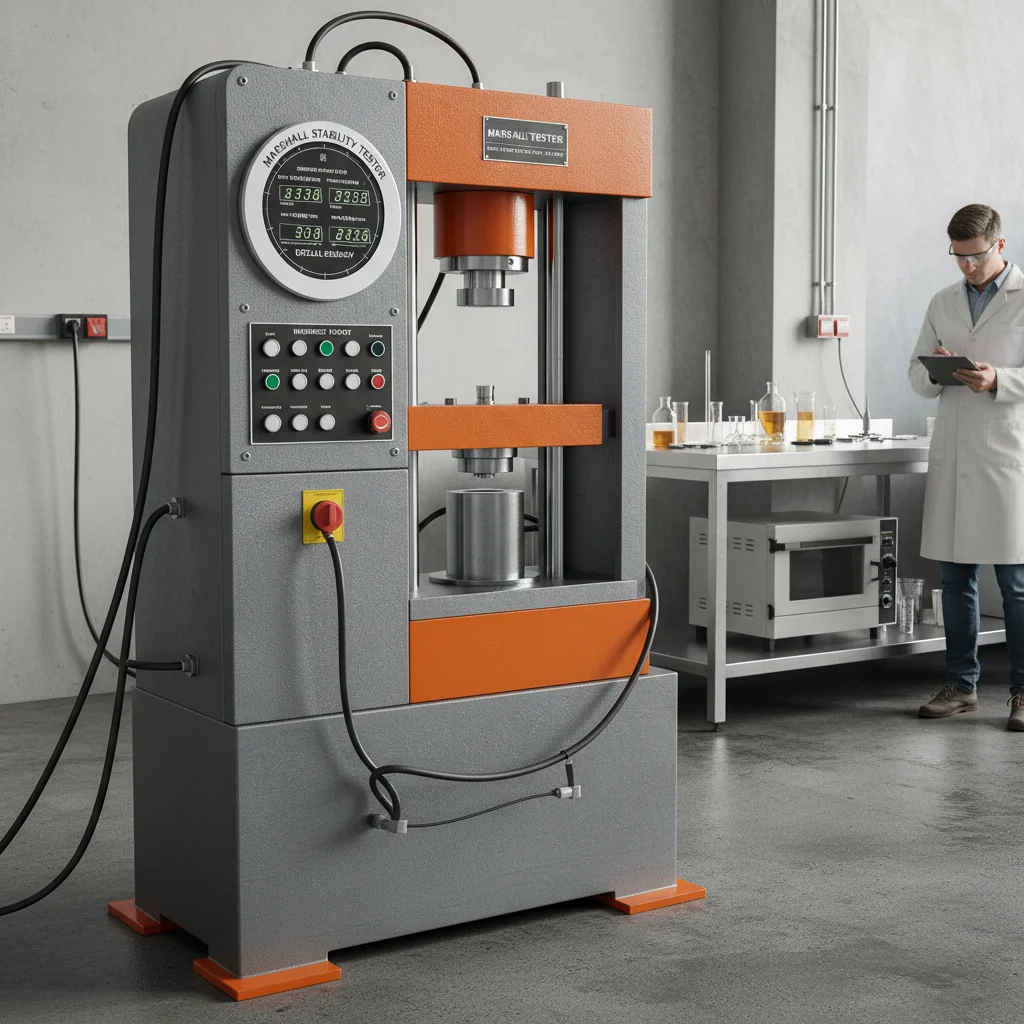
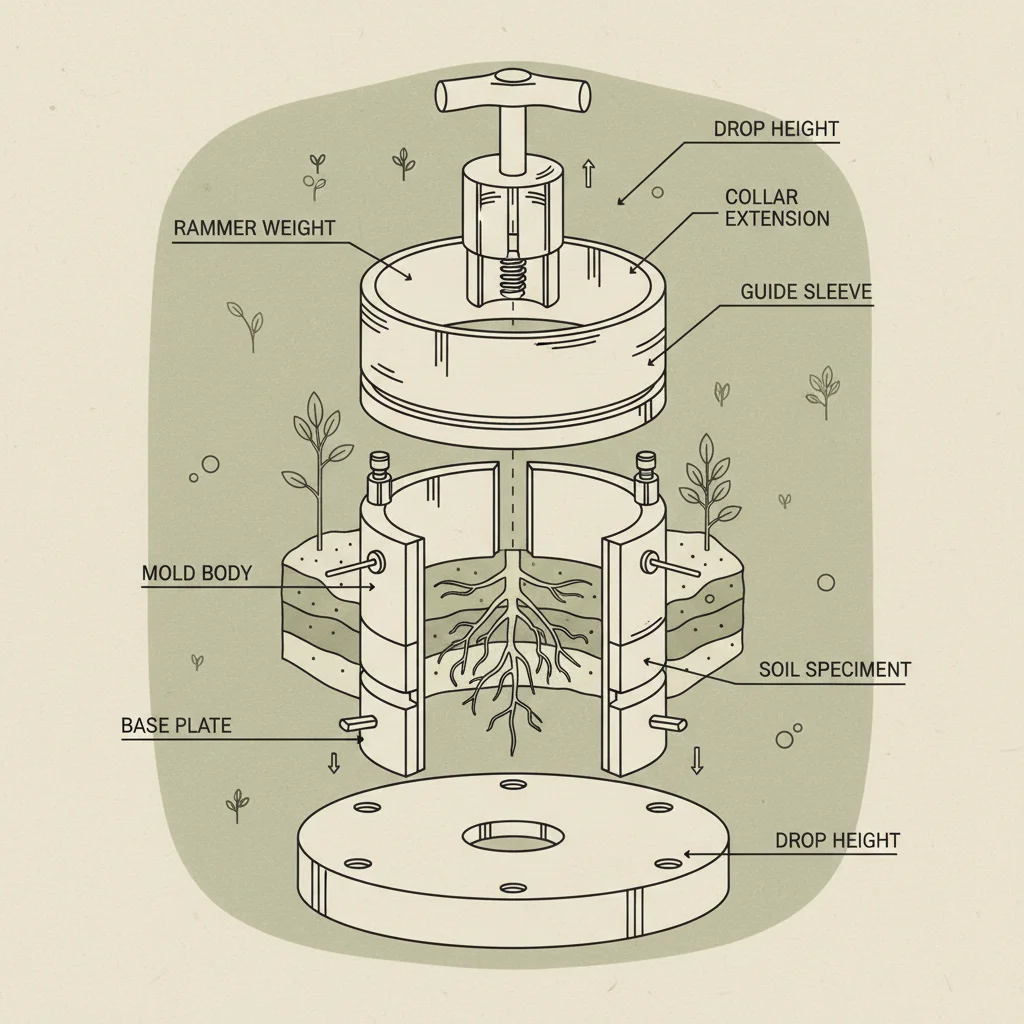
In the realm of advanced materials testing, the precision of analysis determines the longevity of our infrastructure. While many laboratories focus on strength testing, the integration of specialized tools like Bitumen Centrifuge Extractors is essential for understanding the chemical composition and binder content of road materials, ensuring that asphalt blends meet stringent global quality standards.
The global demand for high-performance road networks has shifted the focus toward more rigorous testing methodologies. Whether it is verifying the binder percentage in a fresh asphalt mix or analyzing the degradation of aged pavement, the use of high-precision centrifugal extraction allows engineers to separate bitumen from aggregates with unparalleled accuracy, reducing the margin of error in critical infrastructure projects.
Understanding the operational synergy between strength testing and binder extraction is key to holistic material science. By combining the data from compression testing—which measures the physical limit of a sample—with the chemical insights provided by Bitumen Centrifuge Extractors, construction firms can guarantee a product that is both structurally sound and chemically resilient against environmental wear.

The Global Significance of Bitumen Centrifuge Extractors
Across the globe, the integrity of transportation networks relies on the precise ratio of bitumen to aggregate. International standards, such as those outlined by ASTM and ISO, mandate rigorous testing to prevent premature road failure. Bitumen Centrifuge Extractors serve as the primary tool for these assessments, ensuring that the bitumen content is optimized for the specific climatic conditions of a region, from the scorching heat of the Middle East to the freezing winters of Northern Europe.
The challenge facing modern civil engineering is the increasing volume of traffic and the demand for "everlasting" pavements. Without the accurate data provided by centrifuge extraction, the risk of rutting or cracking increases exponentially. By implementing these extractors in quality control laboratories, governments can reduce long-term maintenance costs and enhance the safety of millions of commuters daily.
Technical Definition and Industrial Meaning
In simple technical terms, Bitumen Centrifuge Extractors are specialized laboratory devices designed to separate the bituminous binder from mineral aggregates through the application of centrifugal force. By rotating the sample at high speeds in the presence of a solvent, the machine forces the bitumen out of the aggregate pores, allowing for an exact measurement of the binder's mass.
Beyond the mechanical process, these extractors represent a critical juncture in materials science. They bridge the gap between raw chemical procurement and final structural application. In the modern industrial context, this means that a project manager can verify if the supplier has provided the correct grade of bitumen, thereby avoiding costly litigation and reconstruction efforts.
The industrial meaning of this technology extends to sustainability. As the industry moves toward "Warm Mix Asphalt" and recycled bitumen, the ability to accurately extract and analyze existing binders becomes paramount. These machines allow scientists to determine how much recycled content can be safely reintroduced into new road projects without compromising structural integrity.
Core Components for High-Precision Extraction
The effectiveness of Bitumen Centrifuge Extractors is rooted in their mechanical stability. A high-torque motor and a precision-balanced rotor are essential to maintain steady RPMs, which prevents sample contamination and ensures that the centrifugal force is applied uniformly across the entire specimen.
Durability is another cornerstone of these systems. Given the use of caustic solvents and the high-stress nature of centrifugal rotation, the internal chambers of Bitumen Centrifuge Extractors are often constructed from corrosion-resistant alloys. This ensures that the machine does not degrade over time, maintaining a consistent relative error of ±1% in high-end models.
Lastly, the integration of intelligent controlling instruments allows for precise timing and speed regulation. Modern extractors often feature digital displays and automatic shut-off mechanisms, which not only improve safety for the lab technician but also ensure that the extraction process is standardized across different batches of material.
Comparative Efficiency in Material Analysis
When comparing different methods of binder recovery, the centrifugal approach offers a significant advantage in terms of speed and repeatability. Traditional chemical soaking methods can take hours or days, whereas Bitumen Centrifuge Extractors can provide results in a fraction of the time, allowing for real-time adjustments during the asphalt mixing process.
Furthermore, the precision of these machines reduces waste. By optimizing the solvent-to-sample ratio, laboratories can operate more eco-friendly processes while achieving a higher purity of extracted bitumen for subsequent viscosity or penetration testing.
Efficiency Ratings of Extraction Methodologies
Global Applications and Real-World Use Cases
In large-scale highway projects, such as the expansion of the Belt and Road Initiative or the modernization of the US Interstate system, Bitumen Centrifuge Extractors are used at on-site laboratories to conduct "spot checks." This ensures that the asphalt being laid on the road matches the design specifications exactly, preventing the formation of potholes due to under-bitumenization.
Beyond highways, these extractors are vital in airport runway construction. Runways must withstand immense pressure from heavy aircraft, requiring a precise binder-to-aggregate ratio to prevent surface deformation. In these high-stakes environments, the reliability of centrifuge extraction provides the necessary data to certify that the runway is safe for takeoff and landing.
Long-Term Value and Economic Advantages
The investment in high-quality Bitumen Centrifuge Extractors yields significant long-term economic returns by reducing the frequency of road repairs. When binder content is correctly optimized, the lifespan of a road can be extended by several years, saving taxpayers and governments billions in recurring maintenance costs.
From a corporate perspective, using these machines minimizes the risk of project failure and subsequent penalties. For a construction company, the ability to prove that their materials meet all national and international standards through documented centrifugal extraction data is a powerful tool for winning competitive tenders and building trust with clients.
Moreover, the shift toward green chemistry is supported by these devices. By accurately measuring the effectiveness of bio-bitumen or polymer-modified binders, companies can innovate more sustainable road-building materials without risking the structural integrity of the infrastructure.
Future Trends in Bitumen Extraction Technology
The future of Bitumen Centrifuge Extractors is moving toward full automation and the integration of the Internet of Things (IoT). We are seeing the emergence of "Smart Extractors" that can automatically adjust rotation speeds based on the sample's density and transmit data directly to cloud-based project management software for real-time analysis.
Digital transformation is also tackling the environmental impact of solvent use. Upcoming innovations include closed-loop solvent recovery systems integrated into the extractor, which recapture volatile organic compounds (VOCs), making the lab process safer for technicians and more compliant with strict environmental regulations.
As we move toward "Circular Economy" construction, these machines will be essential in analyzing "Reclaimed Asphalt Pavement" (RAP). The ability to precisely quantify the remaining binder in old roads will allow for 100% recycled asphalt blends, drastically reducing the need for new petroleum-based bitumen.
Core Analysis of Bitumen Centrifuge Extractors Technological Evolution
| Technology Era |
Extraction Method |
Accuracy Level |
Environmental Impact |
| Traditional |
Manual Solvent Soak |
Low (±5%) |
High VOC Emissions |
| Early Mechanical |
Fixed-Speed Centrifuge |
Medium (±3%) |
Moderate Waste |
| Modern Digital |
Variable-Speed Control |
High (±1%) |
Controlled Venting |
| Smart Era |
IoT Integrated Auto-Extract |
Ultra-High (±0.5%) |
Low (Closed Loop) |
| Eco-Innovate |
Bio-Solvent Centrifuge |
High (±1%) |
Biodegradable |
| Circular Future |
RAP-Specialized Extraction |
Ultra-High (±0.5%) |
Zero Waste Target |
FAQS
These machines use high-speed centrifugal force to effectively strip the bitumen from the mineral aggregates in the presence of a solvent. By utilizing a balanced rotor and precision-controlled RPMs, the extractor ensures that the binder is completely removed from the sample, allowing for an accurate weighing process that determines the exact bitumen content relative to the total sample mass.
Commonly, trichloroethylene or methylene chloride are used due to their effectiveness in dissolving bitumen. However, due to environmental and health regulations, many modern laboratories are transitioning to safer, bio-based solvents. The choice of solvent depends on the specific standards (ASTM or ISO) being followed for the project.
Yes, Bitumen Centrifuge Extractors are indispensable for analyzing Reclaimed Asphalt Pavement (RAP). They allow engineers to determine the amount of aged binder remaining in the recycled material, which is critical for calculating how much new "virgin" binder must be added to the mix to achieve the desired performance specifications.
Maintenance should focus on rotor balancing and seal inspection. Because these machines operate at high speeds, any imbalance can cause vibration and inaccurate results. We recommend monthly checks on the motor brushes and a quarterly deep-clean of the extraction chamber to prevent solvent residue buildup.
Consider your required throughput and the standards you must adhere to. If you are performing high-volume quality control, look for models with automatic timers and digital speed control. For specialized research, prioritize machines with high relative accuracy (±1% or better) and compatibility with a wider range of solvents.
When operated according to safety protocols, they are very safe. High-quality models include overload protection, automatic shut-off, and reinforced safety lids. To ensure safety, always operate the machine in a well-ventilated area or under a fume hood to prevent the inhalation of solvent vapors.
Conclusion
In conclusion, Bitumen Centrifuge Extractors are not merely laboratory tools but are the guardians of infrastructure quality. By providing a precise, repeatable method for analyzing the binder content in asphalt, these machines ensure that our roads are durable, safe, and economically sustainable. From the initial design phase to final quality audits, the data generated by centrifugal extraction is the bedrock upon which modern transportation networks are built.
Looking ahead, the integration of automation and green chemistry will further elevate the role of these instruments. As the industry pivots toward a circular economy and carbon-neutral construction, the ability to accurately analyze recycled binders will be the key to sustainable urban development. We encourage all civil engineering firms and material laboratories to invest in high-precision extraction technology to ensure their projects stand the test of time. Visit our website: www.czlabinstrument.com