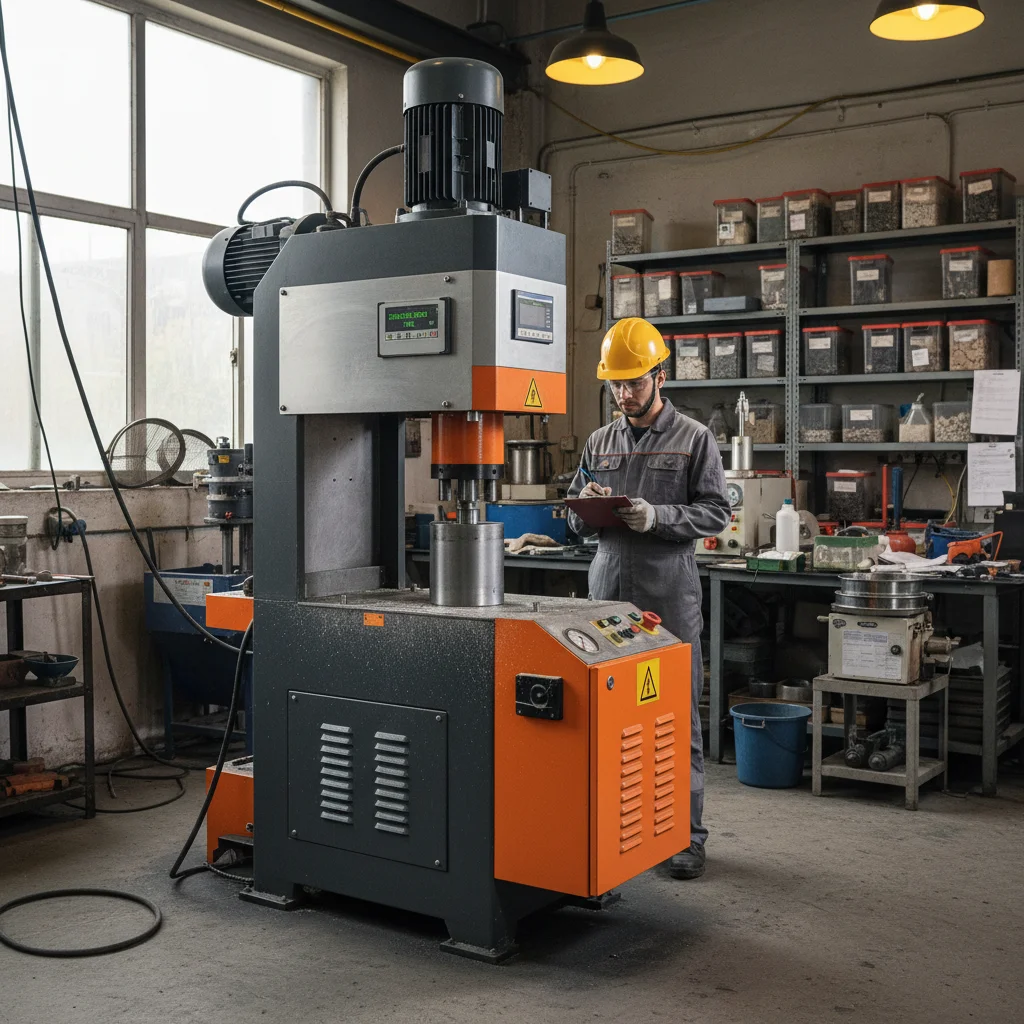
Ensuring the structural integrity of any construction project begins with the foundation, where the ability to accurately measure soil density and stability is paramount. The use of a Manual Soil Compaction Test Apparatus provides engineers and technicians with a reliable method to determine the optimal moisture content and maximum dry density of various soil types, ensuring that roads, bridges, and buildings are supported by a stable base.
Across the global construction industry, standardization in testing is critical to prevent catastrophic structural failures and reduce long-term maintenance costs. By implementing rigorous compaction protocols, project managers can mitigate the risks of soil subsidence and uneven settlement, which are common challenges in diverse geological terrains ranging from expansive clays to sandy loams.
Whether working in a controlled laboratory environment or on a remote job site, utilizing a high-quality Manual Soil Compaction Test Apparatus allows for precise empirical data collection that aligns with international engineering standards. Understanding the synergy between soil moisture and mechanical energy is the key to achieving maximum load-bearing capacity in any earthwork operation.

Global Relevance of Soil Compaction Testing
On a global scale, the demand for sustainable infrastructure has led to a renewed focus on geotechnical precision. From the expansion of urban centers in Asia to the development of critical transport corridors in Africa, the ability to verify soil compaction is a non-negotiable requirement for safety. International standards, such as those outlined by ISO and ASTM, emphasize that without proper compaction, the longevity of any asphalt or concrete structure is severely compromised.
The challenge lies in the variability of soil types across different geographical zones. In regions with high moisture levels or volatile soil compositions, the reliance on a Manual Soil Compaction Test Apparatus ensures that engineers can adapt their compaction effort based on real-time field data, thereby reducing the likelihood of unexpected sinkholes or pavement cracking.
Defining the Manual Soil Compaction Test Apparatus
A Manual Soil Compaction Test Apparatus is a specialized geotechnical instrument designed to determine the relationship between the moisture content of a soil sample and its dry density when subjected to a specific compactive effort. Unlike automated systems, the manual apparatus allows technicians to have a tactile sense of the material's behavior, making it an essential tool for both educational purposes and preliminary site assessments.
In modern industry, this equipment bridges the gap between theoretical soil mechanics and practical field application. It allows for the creation of a "compaction curve," which identifies the Optimum Moisture Content (OMC). This specific point is where the soil reaches its maximum dry density, providing the strongest possible foundation for subsequent construction layers.
From a humanitarian perspective, these tools are indispensable in disaster-relief operations and the construction of low-cost housing in remote areas. Because they do not require complex power sources or expensive digital calibration in the field, they enable the rapid deployment of stable roads and shelters in regions where infrastructure has been completely destroyed.
Core Components for Precision Testing
The efficiency of a Manual Soil Compaction Test Apparatus depends heavily on the quality of its physical components. High-grade steel molds and standardized rammers are essential to ensure that the energy applied to the soil is consistent across multiple tests. Durability is a key factor, as these instruments are often exposed to abrasive soil particles and corrosive environments.
Precision in the Manual Soil Compaction Test Apparatus is further enhanced by accurate weighing scales and moisture cans. Scalability is also important; the apparatus must be capable of handling different soil classifications—from fine-grained silts to coarse-grained gravels—by utilizing various mold sizes and rammer weights to meet specific project requirements.
Finally, cost-efficiency remains a primary driver for the adoption of manual systems. By minimizing the need for complex electronic controllers while maintaining high accuracy, the Manual Soil Compaction Test Apparatus provides a high return on investment for small-to-medium sized laboratories and field contractors who require reliable data without excessive overhead.
Practical Applications in Civil Engineering
In the real world, the application of soil compaction testing is seen in every layer of a highway's construction. Before the asphalt is laid, the subgrade and sub-base must be tested to ensure they can support the projected traffic load. Engineers use the results from the Manual Soil Compaction Test Apparatus to specify the number of passes a roller must make over the soil to reach the required density percentage.
Beyond roadworks, these instruments are vital in the construction of embankments and dam cores, where water seepage must be minimized. In remote industrial zones, such as mining sites or oil rigs, the ability to conduct on-site compaction tests ensures that heavy machinery can operate safely without the risk of ground failure or equipment tipping.
Comparative Performance of Manual Soil Compaction Test Apparatus Methods
Long-Term Value of Manual Compaction Analysis
The long-term value of investing in a Manual Soil Compaction Test Apparatus extends far beyond the initial construction phase. By ensuring that the soil is compacted to its maximum dry density, developers significantly reduce the risk of structural settlement, which can lead to expensive repairs or legal liabilities decades after a project is completed. This reliability builds trust between contractors and clients, fostering a reputation for quality and safety.
Furthermore, proper compaction contributes to environmental sustainability. When soil is correctly compacted, it reduces the need for excessive amounts of imported filler materials and minimizes the degradation of the surrounding landscape. The logical angle of safety, combined with the emotional peace of mind that comes from knowing a foundation is secure, makes the manual compaction process an indispensable part of responsible engineering.
Future Innovations in Soil Testing Technology
As the industry moves toward "Industry 4.0," the Manual Soil Compaction Test Apparatus is evolving. We are seeing the integration of smart sensors into manual rammers that can digitally record the force of each impact, blending the reliability of manual testing with the data accuracy of digital systems. This hybrid approach allows for real-time auditing of testing procedures to ensure strict adherence to standards.
Digital transformation is also influencing how compaction data is stored and analyzed. Cloud-based platforms now allow field technicians to upload results from their Manual Soil Compaction Test Apparatus instantly, enabling project managers to make immediate adjustments to site operations. This acceleration of the feedback loop reduces downtime and prevents the costly mistake of layering material over poorly compacted soil.
Sustainability is also driving innovation in materials. Future apparatuses are being designed using lightweight, high-strength alloys that reduce the carbon footprint associated with transporting equipment to remote sites. The goal is to maintain the uncompromising precision of the manual method while aligning with global green energy and sustainability goals.
Overcoming Common Soil Testing Challenges
One of the primary challenges in soil testing is the high degree of human error associated with manual processes. Inconsistent ramming force or improper moisture mixing can lead to skewed results. To overcome this, expert training and the use of standardized guides are essential. By implementing a strict "check-and-verify" protocol, laboratories can ensure that the data derived from the Manual Soil Compaction Test Apparatus is repeatable and accurate.
Another common limitation is the time required to conduct multiple tests to find the optimal moisture content. Innovative approaches now include the use of rapid moisture analyzers that complement the Manual Soil Compaction Test Apparatus, allowing technicians to determine the water content of a sample in seconds rather than hours, thereby speeding up the overall testing cycle.
Finally, environmental factors such as extreme heat or humidity can affect the stability of soil samples during testing. Using climate-controlled curing cabinets or protective shelters for the equipment helps maintain the integrity of the sample, ensuring that the results reflect the actual field conditions rather than the effects of the testing environment.
Technical Analysis of Manual Soil Compaction Test Apparatus Performance
| Test Parameter |
Standard Method |
Modified Method |
Precision Score (1-10) |
| Compactive Effort |
Low Energy |
High Energy |
9 |
| Sample Volume |
Small Mold |
Large Mold |
8 |
| Execution Time |
Moderate |
Lengthy |
7 |
| Field Portability |
High |
Moderate |
10 |
| Material Versatility |
Clay/Silt |
Gravel/Sand |
9 |
| Cost of Operation |
Minimal |
Low |
10 |
FAQS
The primary purpose is to determine the optimum moisture content (OMC) and the maximum dry density of a soil sample. By applying a consistent amount of mechanical energy through a manual rammer, technicians can find the exact moisture level at which the soil particles pack most tightly, ensuring a strong and stable foundation for construction projects.
Manual testing relies on a technician to physically drop a rammer from a fixed height, whereas automated methods use pneumatic or hydraulic systems. While automated systems are faster, manual apparatuses are highly valued for their portability, lower cost, and the ability to be used in remote field locations without electricity.
Yes, but the method may vary. For fine-grained soils, standard molds and rammers are used. For coarse-grained soils or gravels, larger molds and heavier rammers (Modified Proctor) are employed to ensure the material is sufficiently compacted. Choosing the correct accessory for the specific soil type is crucial for accuracy.
The rammers and molds should be inspected for wear and tear after every major project. Any deformation in the mold or loss of mass in the rammer can lead to inaccurate density readings. Annual calibration of associated weighing scales and moisture balances is strongly recommended to maintain international standard compliance.
The Manual Soil Compaction Test Apparatus is specifically designed for both. Its simple, rugged construction makes it ideal for field use. However, for the most precise results, preliminary "control" tests are often conducted in a laboratory to establish the baseline compaction curve before field verification begins.
If the soil is too dry or too wet, it will not reach its maximum dry density. This leads to increased porosity, which makes the ground susceptible to compression under load (subsidence) or instability during rain events, potentially causing roads to crack or buildings to settle unevenly.
Conclusion
The Manual Soil Compaction Test Apparatus remains a cornerstone of geotechnical engineering, providing the essential empirical data needed to ensure the stability and longevity of our built environment. By balancing moisture content and mechanical energy, this tool allows engineers to transform raw earth into a reliable foundation, effectively mitigating the risks of structural failure and reducing the lifelong cost of infrastructure maintenance.
Looking forward, the integration of digital data capture and sustainable materials will only enhance the utility of manual testing. Whether for a small-scale residential project or a massive highway network, the commitment to precise soil analysis is a commitment to safety and quality. We encourage all civil engineering professionals to maintain rigorous testing standards to ensure a resilient and sustainable future for global infrastructure. Visit our website: www.czlabinstrument.com