
Choosing the Ideal Lab Hot Plate for Efficient Scientific Research
Choosing the Right Lab Hot Plate for Your Research
A lab hot plate is an essential piece of equipment in many scientific disciplines. From chemistry and biology to materials science, these devices provide controlled heating for a variety of applications. Selecting the correct hot plate, however, can be daunting with the many options available. This article will guide you through the key considerations, features, and applications of lab hot plates, helping you make an informed decision for your specific research needs. Understanding the different types and functionalities will ensure efficient and safe experimentation.
Understanding the Different Types of Lab Hot Plates
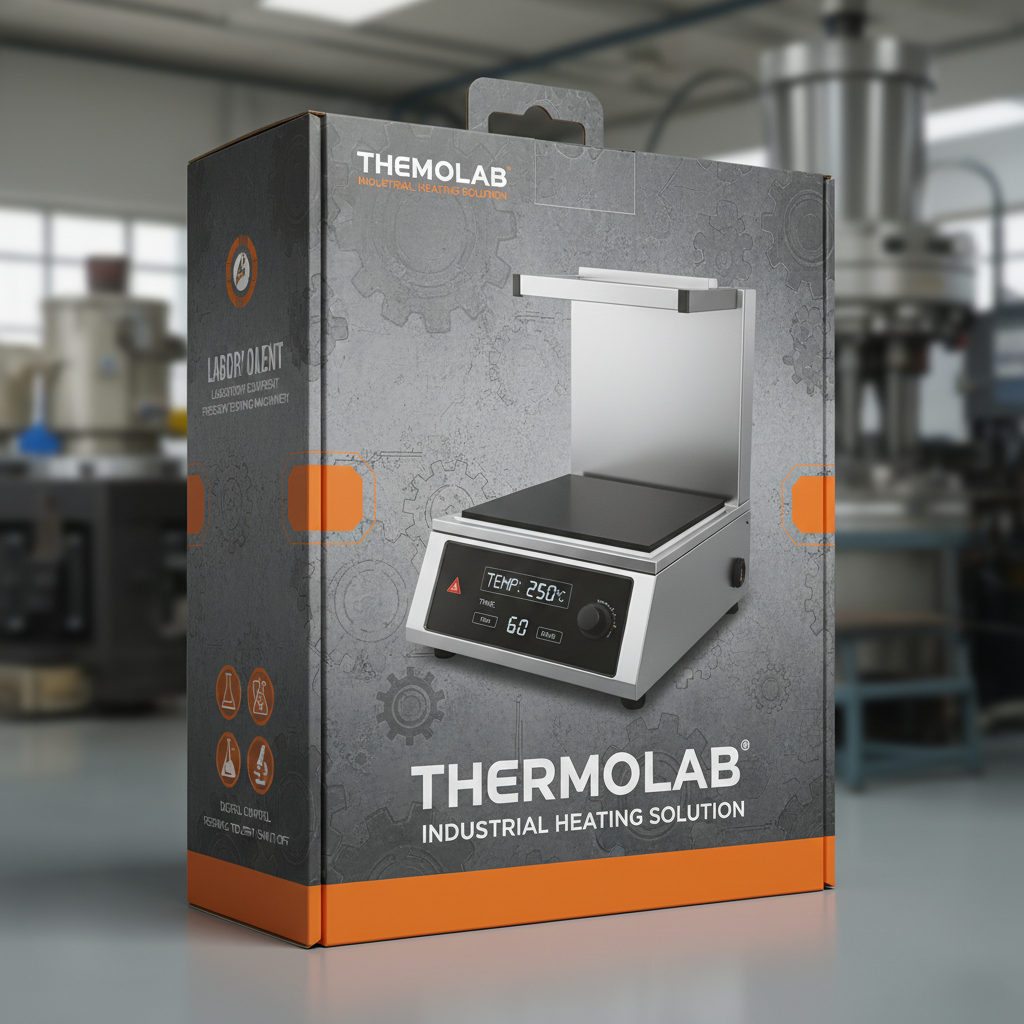
Lab hot plates aren’t one-size-fits-all. They come in several varieties, each suited for specific tasks. The most common types include: Analog Hot Plates, which offer simple, manual temperature control; Digital Hot Plates providing precise temperature settings and often featuring digital displays; and Stirring Hot Plates, combining heating with magnetic stirring capabilities for homogenous mixing. Additionally, some specialized hot plates are designed for specific applications, such as microplate heating or high-temperature reactions. Choosing the right type depends on the accuracy, control, and functionality you require for your experiments.
Key Takeaway: The level of temperature control and required functionality are primary drivers when selecting the appropriate type of lab hot plate.
Key Features to Consider When Purchasing a Lab Hot Plate
Beyond the basic type, several features significantly impact a hot plate's performance and usability. Temperature range and accuracy are crucial, particularly for sensitive experiments. Plate material (ceramic, aluminum, or glass) affects heat distribution and chemical resistance. Safety features like overheat protection and spill containment are essential for preventing accidents. Consider the size of the heating surface – ensuring it accommodates your typical glassware. Finally, ease of cleaning and intuitive controls contribute to a more efficient workflow. CZ Lab Instrument offers a variety of hot plates with these key features.
Essential Features Checklist:
• Temperature Range & Accuracy
• Plate Material & Resistance
• Safety Features (Overheat Protection)
• Heating Surface Size
Digital vs. Analog: A Detailed Comparison of Lab Hot Plates
The choice between digital and analog hot plates often comes down to the level of precision required. Analog hot plates are simpler and more affordable, but offer limited temperature control. Digital hot plates, on the other hand, provide precise temperature settings, digital displays for easy monitoring, and often include programmable features. This makes them ideal for applications requiring consistent and reproducible results. Consider your budget and the demands of your experiments when making this decision.
Applications of Lab Hot Plates in Scientific Research
Lab hot plates have a broad range of applications. In chemistry, they’re used for heating solutions, evaporating liquids, and conducting reactions. Biologists employ them for preparing media, sterilizing solutions, and performing enzyme reactions. Materials scientists utilize hot plates for curing polymers, drying samples, and thermal analysis. The versatility of these devices makes them invaluable tools across numerous scientific fields. The ability to control temperature accurately is vital for repeatable and reliable experimental results.
Selecting the Right Hot Plate: CZ Lab Instrument’s Recommendations
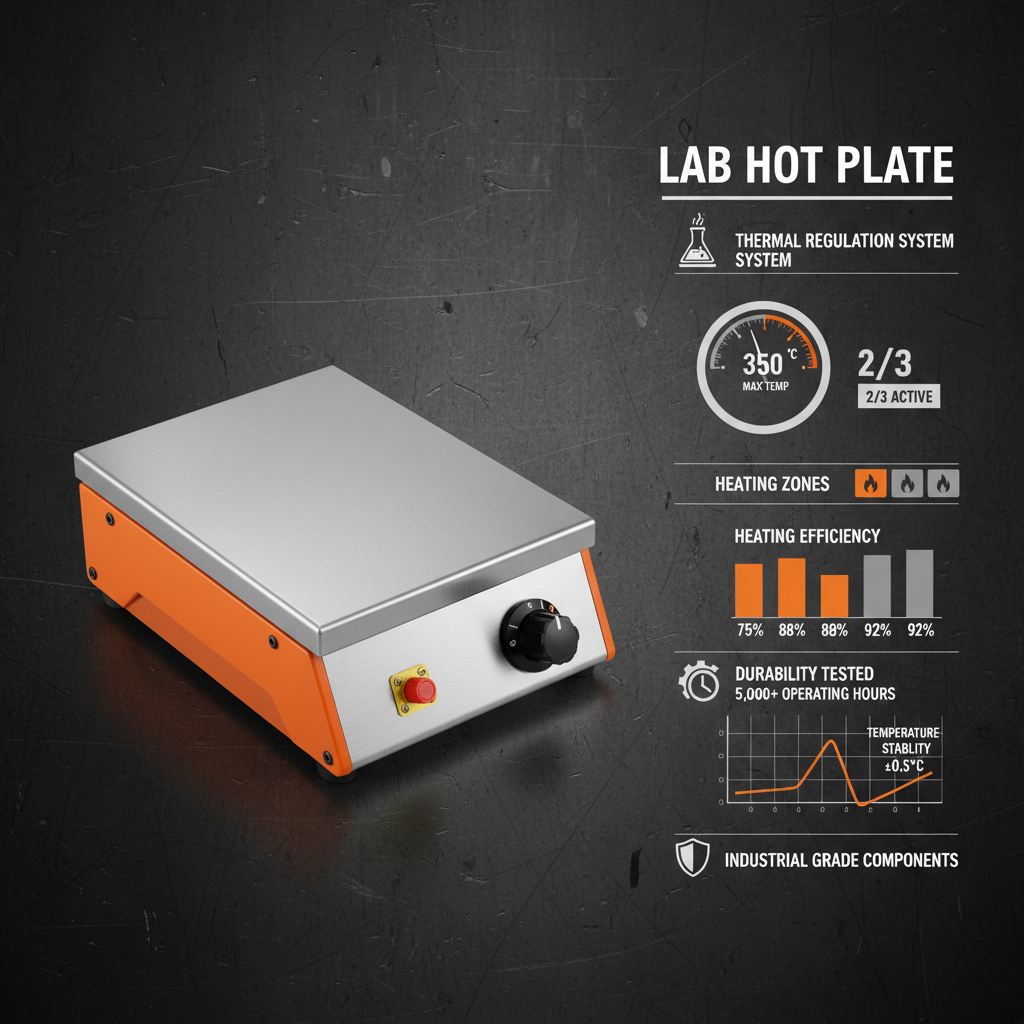
When choosing a lab hot plate, consider your specific needs and budget. CZ Lab Instrument offers a wide range of high-quality hot plates, including both digital and analog models, as well as stirring hot plates. We recommend digital hot plates for applications requiring precise temperature control and reproducibility. For basic heating tasks, an analog hot plate may suffice. Browse our selection at https://www.czlabinstrument.com to find the perfect solution for your laboratory.
Conclusion: Invest in Quality for Reliable Results
A well-chosen lab hot plate is a fundamental investment in the success of your research. By carefully considering the features, types, and applications discussed in this article, you can select a device that meets your specific needs and delivers reliable performance. Don’t compromise on quality – choose CZ Lab Instrument for superior equipment and exceptional customer support.
Frequently Asked Questions (FAQs)
What safety precautions should I take when using a lab hot plate?
Safety is paramount when operating a lab hot plate. Always wear appropriate personal protective equipment (PPE), including safety glasses and heat-resistant gloves. Never leave a hot plate unattended while in operation. Ensure the hot plate is placed on a stable, heat-resistant surface away from flammable materials. Be mindful of the hot surface, as it remains hot for some time after being turned off. Regularly inspect the power cord for damage. If using flammable solvents, ensure adequate ventilation and consider using a hot plate with a temperature-limiting feature.
How do I clean a lab hot plate?
Cleaning a lab hot plate is essential for maintaining its performance and preventing contamination. First, ensure the hot plate is completely cooled down and unplugged. Wipe the surface with a damp cloth and mild detergent. For stubborn stains, use a specialized laboratory cleaning solution. Avoid abrasive cleaners, as they can damage the surface. Dry the hot plate thoroughly before use. Always consult the manufacturer's instructions for specific cleaning recommendations.
What is the difference between a stirring hot plate and a standard hot plate?
A stirring hot plate combines the heating functionality of a standard hot plate with a magnetic stirring feature. This allows for simultaneous heating and mixing of solutions, ensuring homogenous heating and preventing localized hotspots. This is particularly useful for reactions or solutions that require constant mixing to maintain consistency. A standard hot plate only provides heating without the stirring capability.
What should I look for in a ceramic hot plate versus an aluminum hot plate?
Ceramic hot plates are known for their excellent chemical resistance, making them ideal for working with corrosive substances. They also provide a smoother surface for easier cleaning. Aluminum hot plates, on the other hand, generally offer faster heating times and better heat distribution. The choice depends on your application; if chemical resistance is crucial, opt for ceramic. If faster heating and consistent heat distribution are priorities, aluminum is a good choice.


