
Comprehensive Guide to Understanding Laboratory Heating Plate Technology and Applications
Understanding Laboratory Heating Plates: A Comprehensive Guide
Laboratory heating plates are essential equipment in many scientific disciplines, providing controlled heating for a wide range of applications. From simple warming to precise temperature control for chemical reactions, understanding their features and capabilities is crucial for accurate and safe experimentation. This article provides a detailed overview of laboratory heating plates, covering types, features, applications, and essential considerations when choosing the right model for your needs. Choosing the right heating plate can greatly improve the efficiency and reliability of your lab work.
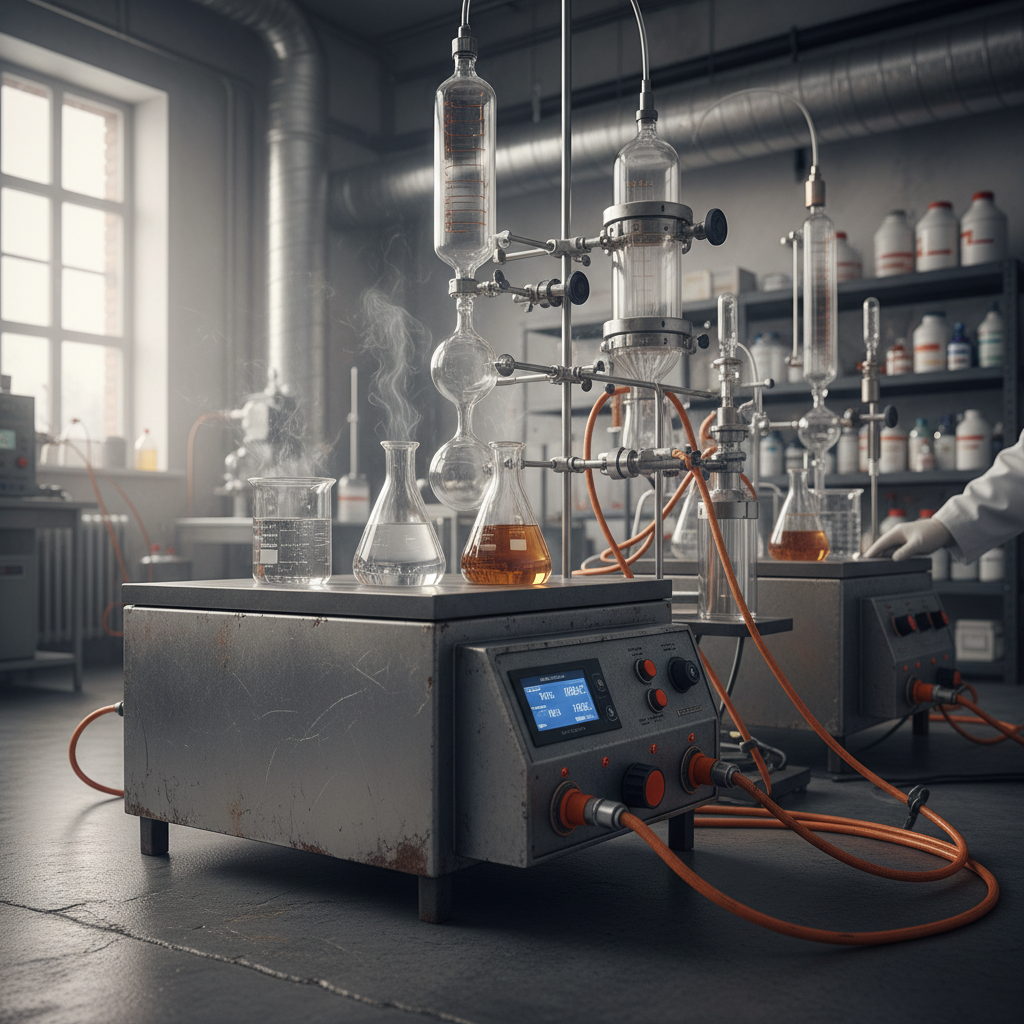
Types of Laboratory Heating Plates
Laboratory heating plates come in various configurations, each suited to different applications. The most common types include:
- Standard Heating Plates: Provide basic heating for general laboratory use.
- Magnetic Stirring Hot Plates: Combine heating with magnetic stirring for homogenous mixing during heating.
- Digital Heating Plates: Offer precise temperature control and digital displays for accurate results.
- Ceramic Top Heating Plates: Feature a chemically resistant ceramic surface for enhanced durability and easy cleaning.
The selection of the appropriate type depends on the specific requirements of your experiments, such as the need for stirring, temperature control precision, and chemical compatibility.
Key Consideration: Prioritize features like temperature control accuracy, surface material compatibility, and stirring capabilities based on your experimental requirements.
Key Features of a Laboratory Heating Plate
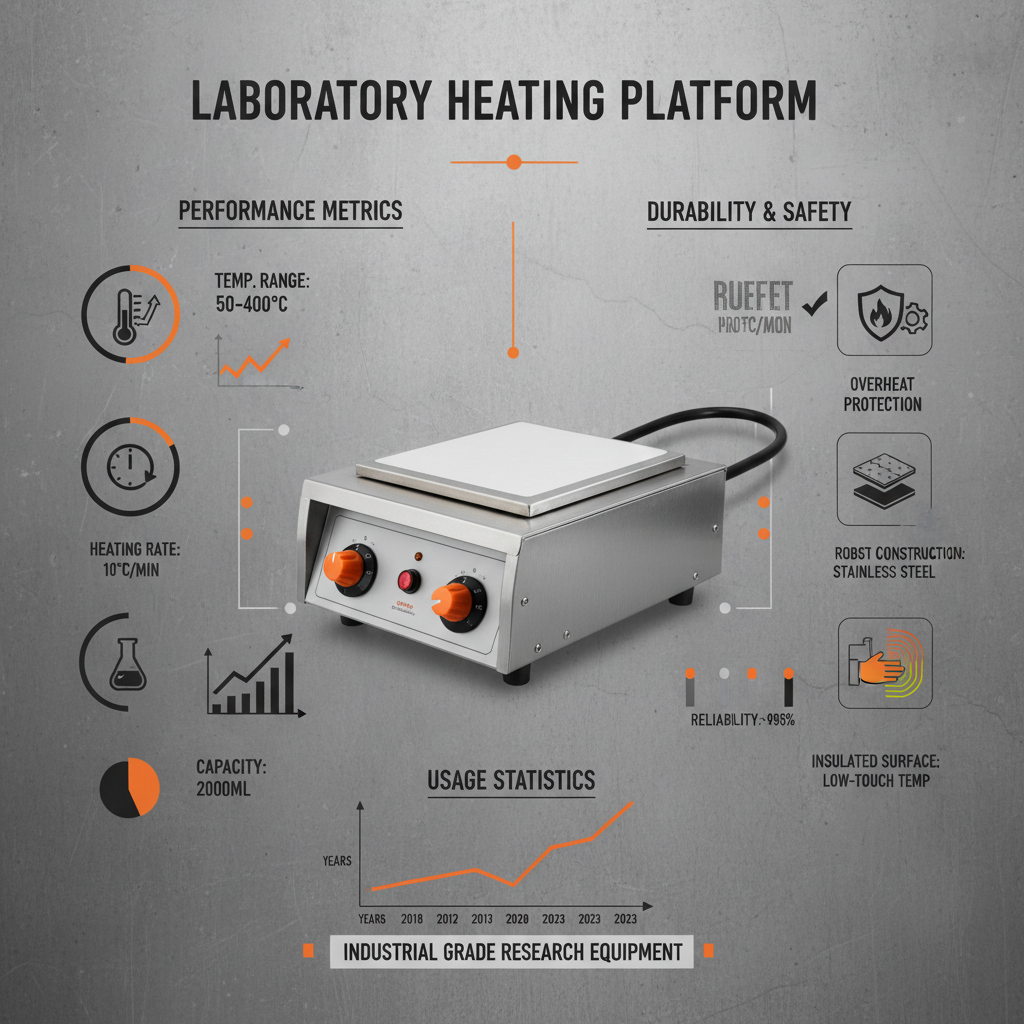
Modern laboratory heating plates boast a range of features designed to optimize performance and safety. These include precise temperature control, digital displays for easy monitoring, programmable settings for automated experiments, and robust safety mechanisms like overheat protection. Materials of construction are also critical. Ceramic surfaces are known for their resistance to chemical attack, while stainless steel is often used for durability.
Essential Features:
• Precise Temperature Control
• Digital Display & Programmability
• Overheat Protection
• Chemical Resistant Surface
Choosing the Right Laboratory Heating Plate: Key Considerations
Selecting the ideal heating plate involves careful consideration of several factors. Temperature range is paramount; ensure the plate can reach the temperatures required for your experiments. The size of the heating surface should accommodate your sample containers. For applications involving liquids, a magnetic stirrer hot plate is highly recommended. Chemical compatibility of the surface material is also critical to prevent corrosion or contamination. Finally, consider safety features such as overheat protection and a stable, non-slip design.
Here's a comparative look at popular models:
Applications of Laboratory Heating Plates
Laboratory heating plates are used in a remarkably broad range of scientific applications. These include heating samples for chemical reactions, preparing solutions, evaporating solvents, and maintaining constant temperatures for biological experiments. They are indispensable in chemistry, biology, materials science, and pharmaceutical research. Their versatility and precise control make them a staple in modern laboratories.
Maintenance and Safety Considerations for Laboratory Heating Plates
Proper maintenance is essential for ensuring the longevity and reliable performance of your heating plate. Regularly clean the surface to remove spills and contaminants. Inspect the power cord for damage and ensure proper grounding. Always allow the plate to cool down completely before cleaning or storing it. Prioritize safety by wearing appropriate personal protective equipment, such as gloves and safety glasses, and never leave a heating plate unattended while in operation. You can explore a comprehensive range of heating plates and accessories at our website.
Conclusion: Empowering Research with Reliable Heating Plates
Investing in a high-quality laboratory heating plate is crucial for accurate and efficient experimentation. By carefully considering your application needs, prioritizing safety features, and selecting a reputable manufacturer like CZ Lab Instrument, you can ensure reliable performance and contribute to the success of your research endeavors.
Frequently Asked Questions (FAQs)
What is the difference between a heating plate and a hot plate?
While often used interchangeably, there's a subtle difference. A 'hot plate' generally refers to a basic heating surface, while a 'heating plate' often implies more precise temperature control and potentially additional features like stirring. Modern laboratory heating plates almost always offer digital control and safety features that differentiate them from simple hot plates. The term 'heating plate' is frequently used in a scientific context to denote more sophisticated equipment.
How do I calibrate a laboratory heating plate?
Calibration typically involves comparing the displayed temperature of the heating plate with a known, accurate temperature standard, such as a calibrated thermometer. Follow the manufacturer’s instructions carefully, as procedures can vary. You may need to adjust settings to ensure the displayed temperature matches the actual temperature. Regular calibration is vital for maintaining accurate experimental results, especially in sensitive applications.
What safety precautions should I take when using a heating plate?
Always wear appropriate personal protective equipment (PPE), including safety glasses and heat-resistant gloves. Never leave a heating plate unattended while in operation. Ensure the heating plate is placed on a stable, non-flammable surface. Be cautious when handling hot materials and use appropriate tools. Familiarize yourself with the heating plate's safety features, such as overheat protection, and follow the manufacturer’s guidelines.
Can I use a heating plate with flammable solvents?
Using a heating plate with flammable solvents is extremely hazardous and generally not recommended. If absolutely necessary, it must be done with extreme caution and only in a well-ventilated area, using a heating plate specifically designed for flammable materials and with appropriate safety shielding. Consider alternatives like a water bath or oil bath for safer heating of flammable substances. Consult safety data sheets (SDS) for specific solvent precautions.


