
Comprehensive Guide to Choosing the Best Stainless Steel Hotplate for Your Lab
Choosing the Right Stainless Steel Hotplate: A Comprehensive Guide
In laboratory and industrial settings, precise and reliable heating is crucial for a wide range of applications. A stainless steel hotplate is often the preferred choice due to its durability, even heat distribution, and resistance to corrosion. This article provides an in-depth overview of stainless steel hotplates, covering their features, benefits, applications, and factors to consider when selecting the ideal model. Understanding these aspects ensures you choose a hotplate that meets your specific needs and enhances your experimental outcomes. CZLab Instrument offers a wide range of high-quality stainless steel hotplates.
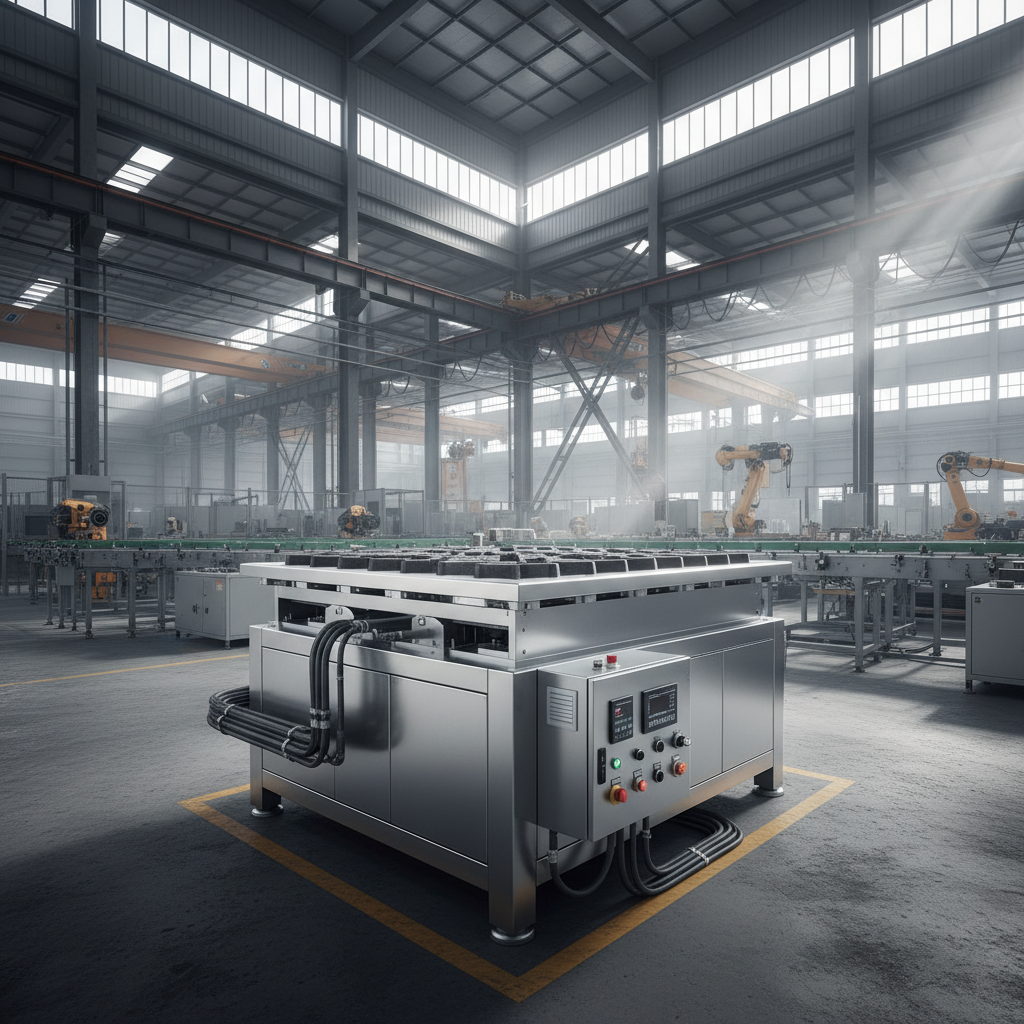
Key Features of Stainless Steel Hotplates
Stainless steel hotplates are characterized by their robust construction and efficient heating capabilities. The stainless steel surface provides excellent resistance to chemical corrosion, making them suitable for use with various substances. Many models feature adjustable temperature controls, allowing for precise heating regulation. Digital displays and programmable settings further enhance control and reproducibility. Furthermore, safety features such as overheat protection and indicators are commonly included to ensure safe operation. A high-quality stainless steel hotplate like those available at CZLab Instrument is a valuable asset for any lab.
Key Highlights: Stainless steel surface ensures corrosion resistance and easy cleaning. Adjustable temperature controls offer precise heating. Digital displays and programmable settings enhance usability and reproducibility.
Applications of Stainless Steel Hotplates
Stainless steel hotplates find widespread use across various industries and scientific disciplines. In chemistry laboratories, they are employed for heating solutions, evaporating solvents, and conducting reactions. Biological research utilizes them for sterilizing equipment, warming media, and performing cell cultures. Industrial applications include materials testing, sample preparation, and quality control processes. The versatility and durability of stainless steel hotplates make them indispensable tools for accurate and reliable heating in diverse settings.
Common Applications:
• Chemistry: Heating solutions, evaporation, reactions
• Biology: Sterilization, warming media, cell cultures
• Industrial: Materials testing, sample preparation
Comparing Stainless Steel Hotplates: Features and Performance
Selecting the right stainless steel hotplate involves considering various features and specifications. Factors such as heating power, temperature range, surface area, and control type all play a crucial role in determining performance. Higher wattage provides faster heating rates, while a wider temperature range offers greater flexibility. The surface area should be appropriate for the size of the vessels being heated. Digital controls provide more precise temperature regulation compared to analog controls. CZLab Instrument provides detailed specifications for each model to aid in the selection process.
Safety Considerations When Using a Stainless Steel Hotplate
Safety is paramount when operating a stainless steel hotplate. Always ensure the hotplate is placed on a stable, heat-resistant surface. Never leave a hotplate unattended while in operation. Use appropriate personal protective equipment (PPE) such as heat-resistant gloves and safety glasses. Be cautious when handling hot containers or liquids. Finally, always allow the hotplate to cool completely before cleaning or storing it. Following these guidelines will minimize the risk of accidents and ensure safe operation.
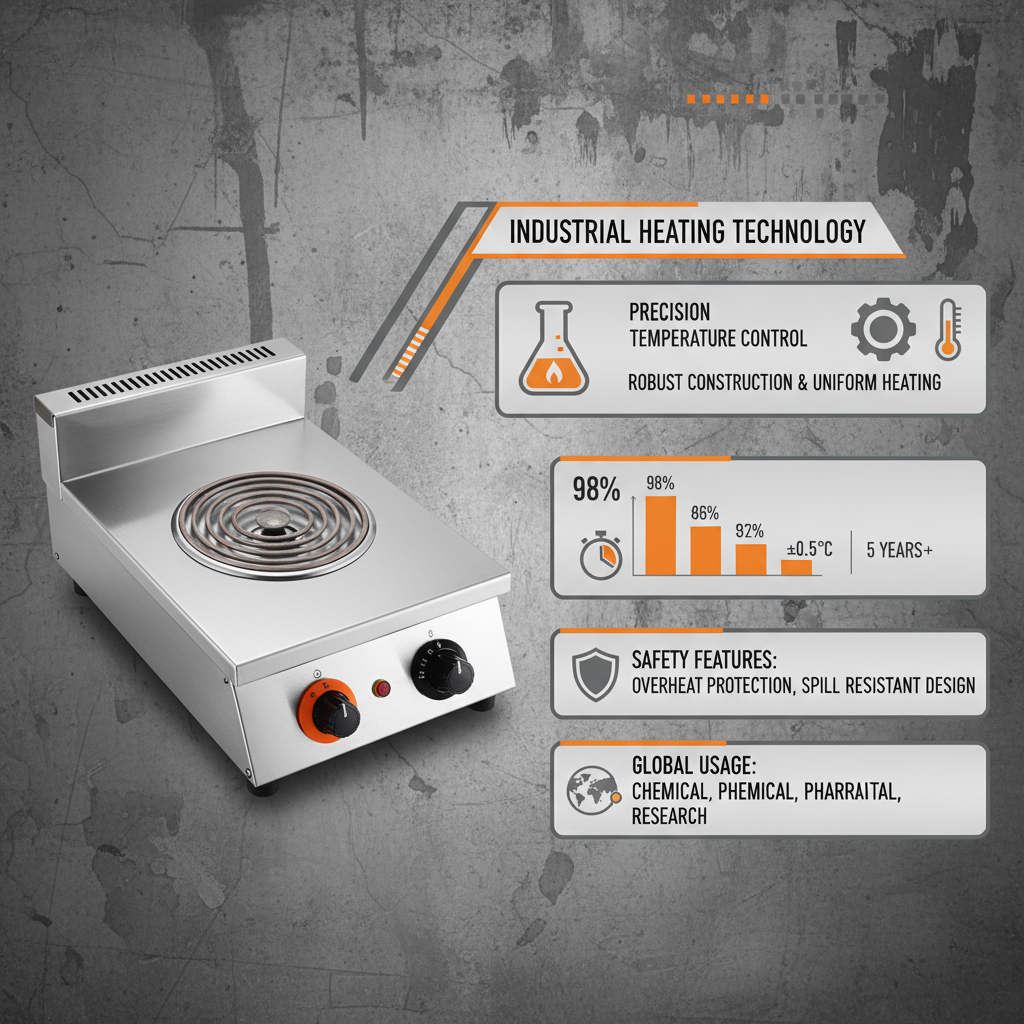
Choosing the Right Stainless Steel Hotplate from CZLab Instrument
CZLab Instrument offers a comprehensive selection of stainless steel hotplates to meet diverse laboratory and industrial needs. Our hotplates are manufactured with high-quality materials and feature precise temperature control, durable construction, and advanced safety features. We provide detailed product specifications, competitive pricing, and excellent customer support. Explore our catalog today to find the perfect stainless steel hotplate for your application.
Conclusion: Invest in Quality for Reliable Heating
Choosing the right stainless steel hotplate is essential for ensuring accurate, reliable, and safe heating in various applications. CZLab Instrument provides a wide range of high-quality hotplates designed to meet your specific needs. Investing in a durable and well-designed hotplate will contribute to improved experimental results and a safer work environment.
Frequently Asked Questions (FAQs)
What are the benefits of using a stainless steel surface on a hotplate?
Stainless steel offers excellent corrosion resistance, making it ideal for use with a wide range of chemicals and substances. It’s also durable, easy to clean, and provides even heat distribution. Unlike other materials, stainless steel won't react with most chemicals, preventing contamination of your samples. This makes stainless steel hotplates a versatile and reliable choice for various laboratory and industrial applications.
How do I properly clean a stainless steel hotplate?
Always ensure the hotplate is completely cool and disconnected from the power source before cleaning. Use a mild detergent and a soft cloth or sponge to wipe down the surface. Avoid abrasive cleaners or scouring pads, as they can scratch the stainless steel. For stubborn residue, you can use a stainless steel cleaner specifically designed for laboratory equipment. Rinse thoroughly with water and dry with a clean cloth.
What is the difference between analog and digital temperature control on a hotplate?
Analog hotplates use a knob to adjust the temperature, offering a basic level of control. Digital hotplates feature a digital display and buttons, allowing for precise temperature setting and often programmable settings. Digital controls provide more accurate and repeatable results, making them ideal for applications requiring tight temperature regulation. Digital models often include safety features such as overheat protection and temperature alarms.
What safety features should I look for in a stainless steel hotplate?
Essential safety features include overheat protection, which automatically shuts off the hotplate if it exceeds a safe temperature. An indicator light that shows when the hotplate is on and hot is also important. Some models include a locking function to prevent accidental temperature changes. Always prioritize hotplates that meet relevant safety standards and certifications.


