
Comprehensive Guide to Laboratory Stainless Steel Heating Plates for Optimal Results
Laboratory Stainless Steel Heating Plate: A Comprehensive Guide
Selecting the right heating plate is crucial for accurate and reliable results in any laboratory setting. A laboratory stainless steel heating plate offers durability, consistent heating, and ease of cleaning, making it an indispensable piece of equipment. This article provides a detailed overview of these heating plates, exploring their features, applications, benefits, and factors to consider when making a purchase. Understanding these aspects will empower you to choose the best heating plate for your specific experimental needs.
What is a Laboratory Stainless Steel Heating Plate?
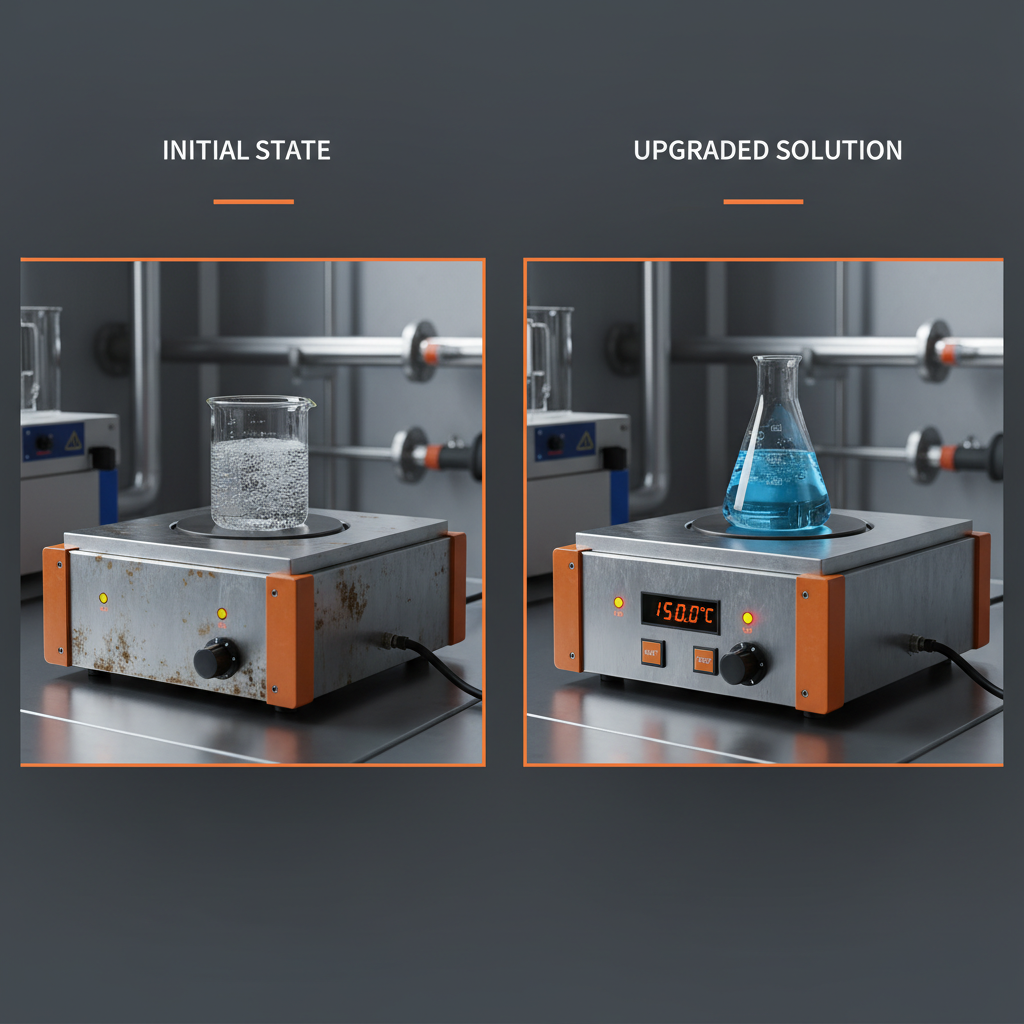
A laboratory stainless steel heating plate is a device used to heat samples, solutions, or materials in a controlled laboratory environment. The stainless steel surface provides excellent chemical resistance and is easy to clean, preventing contamination and ensuring accurate experimental results. These plates typically feature adjustable temperature controls, allowing users to precisely set and maintain the desired heating level. They are widely employed in diverse applications, including chemical reactions, sample preparation, titrations, and material testing.
Key Highlights: Stainless steel construction ensures durability and chemical resistance. Adjustable temperature controls allow for precise heating. Wide range of applications in various scientific disciplines.
Key Features of Stainless Steel Heating Plates
Modern stainless steel heating plates come equipped with a range of features designed to enhance usability and performance. These include digital temperature displays for precise monitoring, built-in timers for automated operation, and safety mechanisms like overheat protection. Some models also offer stirring capabilities for simultaneous heating and mixing. The stainless steel surface is designed to distribute heat evenly, minimizing hot spots and ensuring consistent results. Choosing a model with the right features is essential for optimizing your workflow and achieving accurate data.
Common Features:
• Digital Temperature Control
• Built-in Timer
• Overheat Protection
• Stirring Capabilities (optional)
Laboratory Stainless Steel Heating Plate Applications
These heating plates find applications in diverse laboratory settings. In chemistry, they are used for refluxing, evaporating, and heating reaction mixtures. Biologists utilize them for preparing media, sterilizing solutions, and maintaining cell cultures. Material science researchers employ them for studying the thermal properties of materials. Quality control laboratories rely on them for sample preparation and analysis. Their versatility makes them a valuable asset in a wide range of scientific disciplines.
Factors to Consider When Choosing a Heating Plate
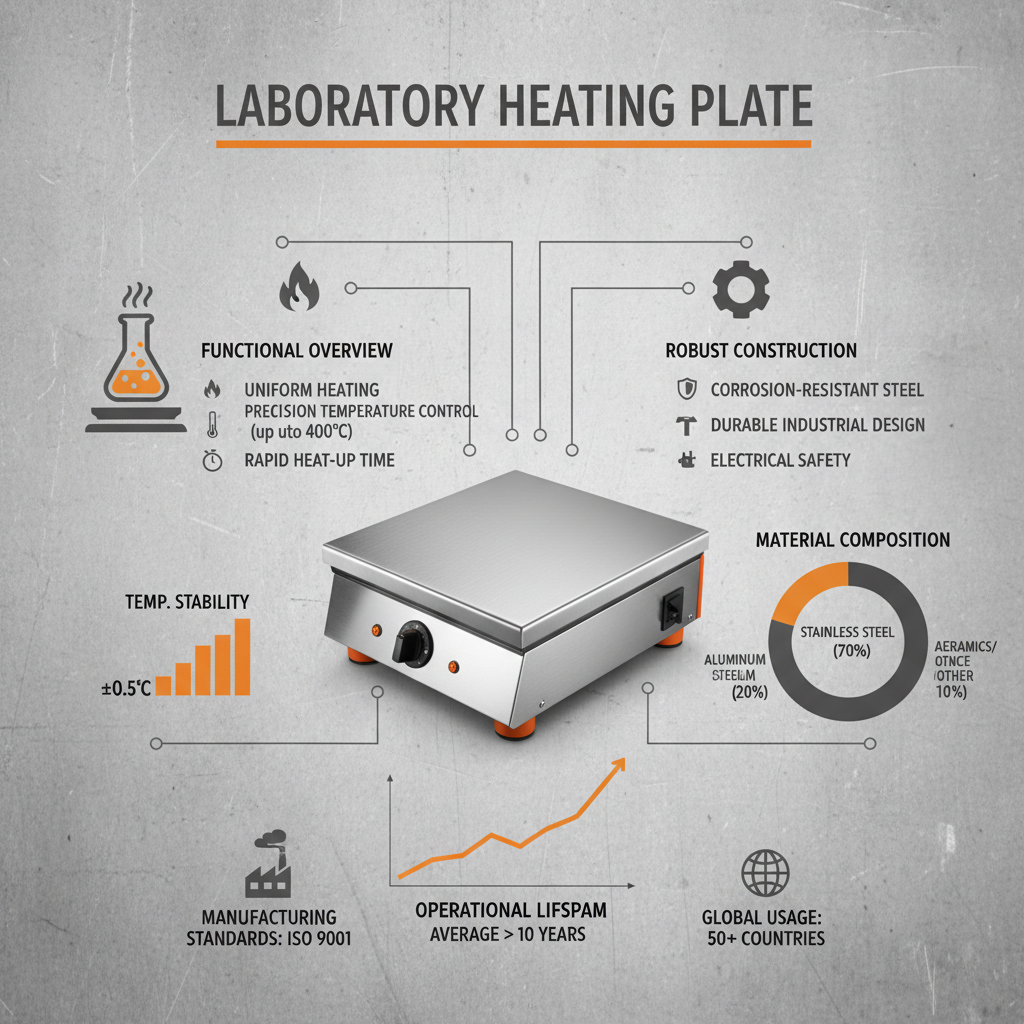
Selecting the ideal heating plate requires careful consideration of several factors. The temperature range should match your experimental needs. The size of the heating surface should accommodate your sample containers. The accuracy and stability of the temperature control are crucial for reliable results. Consider whether you need stirring capabilities and whether the plate is compatible with other laboratory equipment. Don't forget to check for safety features like overheat protection.
Benefits of Using Stainless Steel Heating Plates
Stainless steel heating plates offer numerous advantages over other materials. Their superior chemical resistance prevents corrosion and contamination. The smooth surface is easy to clean and maintain. Stainless steel distributes heat evenly, minimizing hot spots and ensuring consistent results. Furthermore, stainless steel is durable and long-lasting, providing a reliable solution for years to come. CZ Lab Instrument offers a wide selection of high-quality stainless steel heating plates to meet your laboratory needs.
Conclusion
Investing in a high-quality laboratory stainless steel heating plate is essential for achieving accurate and reliable results in your experiments. Consider your specific needs, prioritize safety, and choose a model from a reputable supplier like CZ Lab Instrument. A well-chosen heating plate will become an invaluable tool in your laboratory.
Frequently Asked Questions (FAQs)
What temperature range should I look for in a heating plate?
The ideal temperature range depends entirely on your application. If you're working with reactions that require high temperatures, you’ll need a plate capable of reaching those levels. For more moderate heating tasks, a lower temperature range might suffice. Consider the boiling point of the solvents you’ll be using and ensure the heating plate can exceed that temperature slightly. CZ Lab Instrument offers models with varying temperature ranges to cater to diverse laboratory needs. It's crucial to select a heating plate that provides the necessary flexibility for your experiments without compromising safety.
How important is temperature accuracy?
Temperature accuracy is paramount, especially for quantitative experiments and reactions sensitive to temperature variations. Inaccurate temperature control can lead to inconsistent results and compromised data. Look for heating plates with digital temperature control and a high degree of accuracy, typically within ±1°C. Regularly calibrating the heating plate can also help ensure accurate temperature readings. CZ Lab Instrument’s heating plates are designed to deliver precise and reliable temperature control.
What safety features should I look for?
Safety should be a top priority. Look for heating plates with overheat protection, which automatically shuts off the heating element if the temperature exceeds a safe limit. A stable base and non-slip feet are also essential to prevent accidental spills. Some models also have indicator lights to show when the plate is hot. CZ Lab Instrument prioritizes safety in the design of our heating plates, incorporating multiple safety features to protect users and prevent accidents.
How often should I clean my heating plate?
Regular cleaning is crucial to maintain performance and prevent contamination. Clean the heating plate after each use, even if there are no visible spills. Use a mild detergent and a soft cloth to wipe the surface. Avoid abrasive cleaners, as they can damage the stainless steel. If you've been working with corrosive chemicals, ensure you thoroughly neutralize the surface before cleaning. Proper maintenance will extend the lifespan of your heating plate and ensure accurate results.


