
Comprehensive Guide to 100 Class Clean Room Bench Applications and Selection
Understanding 100 Class Clean Room Bench Applications and Benefits
Maintaining a controlled environment is critical in numerous industries, from pharmaceuticals and biotechnology to electronics and aerospace. A cornerstone of such environments is the 100 Class Clean Room Bench. These benches are specifically engineered to minimize particle generation and contamination, ensuring product integrity and reliable research results. This article will explore the importance of 100 class cleanroom benches, their key features, applications, and how to select the right bench for your specific needs. Achieving a contaminant-controlled workspace is vital for quality control and accurate experimentation, and a well-chosen cleanroom bench is a crucial component of that process.
What Defines a 100 Class Clean Room Bench?
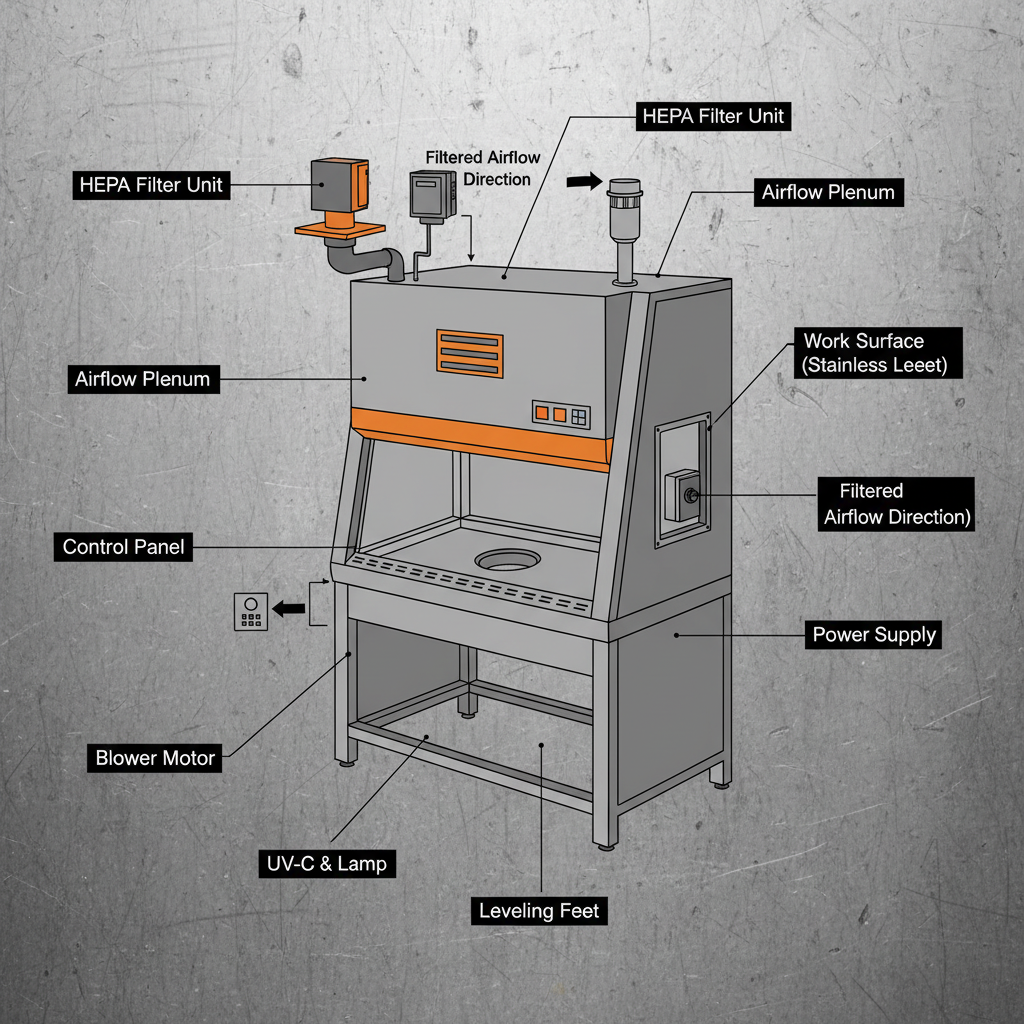
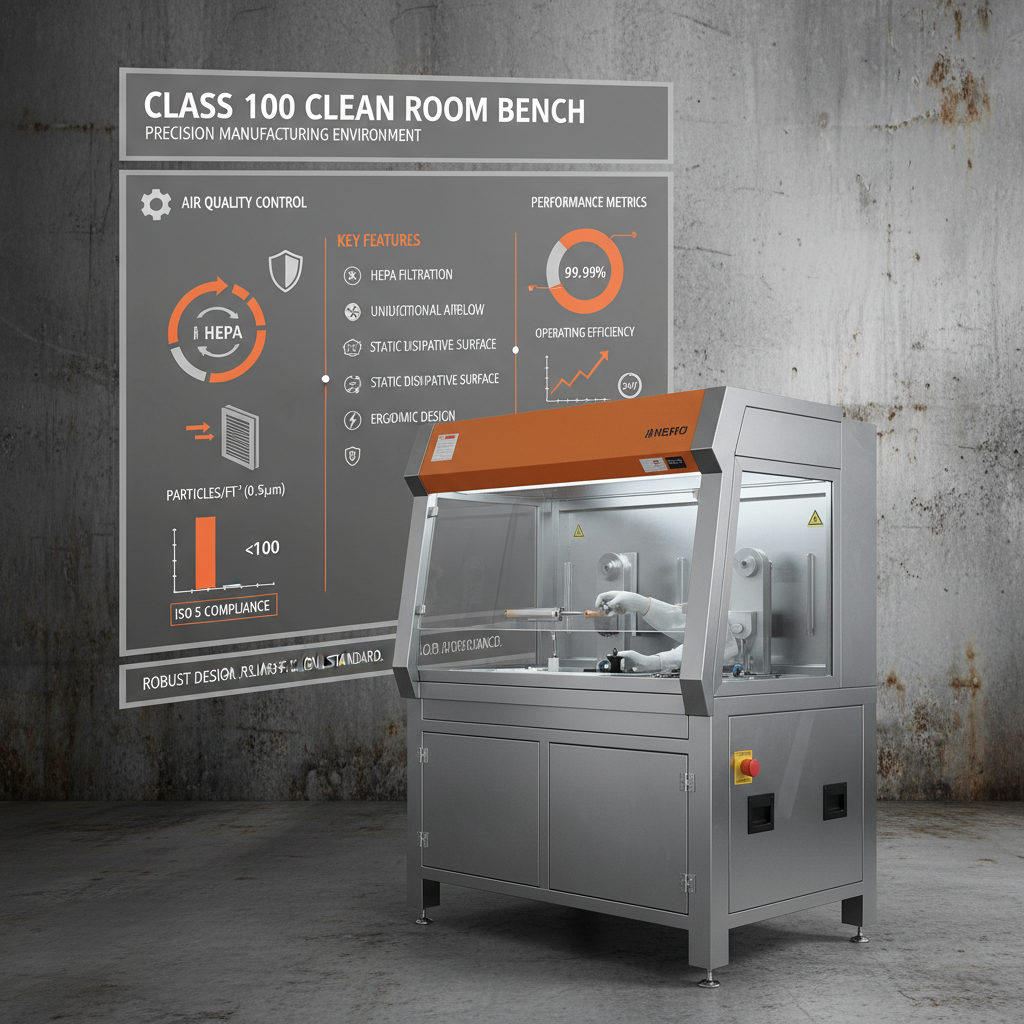
A “100 Class” clean room signifies a controlled environment with a maximum of 100 particles of 0.5 micrometers or larger per cubic foot of air. Cleanroom benches designed for these environments are built with materials and construction techniques that minimize particle shedding. This includes stainless steel work surfaces, HEPA filtration systems, and carefully sealed enclosures. The benches are designed to be easily cleanable and disinfected, further contributing to a sterile workspace. They're not merely tables; they’re integral components of a contamination control strategy.
Key Characteristics: Minimizes particle generation, incorporates HEPA filtration, constructed with non-shedding materials, and designed for easy cleaning.
Applications Across Industries
The demand for 100 Class Clean Room Benches spans several sectors. Pharmaceutical companies use them for drug compounding and quality control. Biotechnology labs rely on them for cell culture and sensitive experiments. Electronics manufacturers employ them during the assembly of microchips and other delicate components. Aerospace industries utilize them for precision instrument calibration and maintenance. Even food processing benefits from the control provided by these benches. The versatility of these benches makes them a valuable asset across a broad range of scientific and industrial applications.
Key Industries Utilizing 100 Class Benches:
• Pharmaceuticals
• Biotechnology
• Electronics Manufacturing
• Aerospace
Choosing the Right 100 Class Clean Room Bench: Key Considerations
Selecting the optimal 100 Class Clean Room Bench requires careful consideration of several factors. Bench size and configuration should match your workflow and available space. Material composition (typically stainless steel) impacts durability and ease of cleaning. The type of HEPA filter and airflow system are crucial for maintaining the required cleanliness level. Additional features such as adjustable lighting, ergonomic designs, and integrated power outlets can further enhance usability. Don't overlook portability – some applications may require a mobile bench.
Maintenance and Best Practices for 100 Class Clean Room Benches
Maintaining a cleanroom bench is just as crucial as selecting the right one. Regular cleaning with appropriate disinfectants is essential. HEPA filters must be replaced according to manufacturer recommendations. Routine inspections should be conducted to identify any damage or wear. Implementing strict protocols for personnel entering the cleanroom, including gowning procedures, will minimize contamination. Consistent adherence to these best practices ensures the long-term effectiveness of your cleanroom environment.
CZLabInstrument: Your Partner for Cleanroom Solutions
At CZLabInstrument, we understand the critical importance of controlled environments. We offer a comprehensive range of 100 Class Clean Room Benches engineered for performance, reliability, and ease of use. Our experienced team can assist you in selecting the optimal bench for your specific application and provide ongoing support to ensure your cleanroom remains compliant and effective.
Conclusion: Investing in a Controlled Environment
Choosing the right 100 Class Clean Room Bench is a crucial step towards ensuring product quality, research integrity, and operational efficiency. At CZLabInstrument, we are committed to providing high-quality solutions that meet the demanding needs of modern industries. Contact us today to learn more about our offerings and how we can help you create a contamination-controlled workspace.
Frequently Asked Questions (FAQs)
What is the typical airflow velocity for a 100 Class Clean Room Bench?
The airflow velocity is a critical parameter for maintaining the cleanliness level. For a 100 Class cleanroom bench, the typical airflow velocity is between 50 and 100 linear feet per minute (LFPM). This velocity is sufficient to effectively remove airborne particles and prevent them from settling on the work surface. It's important to regularly monitor and verify the airflow velocity to ensure it remains within the specified range. CZLabInstrument can provide benches with adjustable airflow controls to suit your specific requirements. Proper airflow is essential for maintaining the integrity of the controlled environment and protecting sensitive processes.
How often should HEPA filters be replaced?
The frequency of HEPA filter replacement depends on usage and environmental conditions. However, a general guideline is to replace filters every 6 to 12 months. It’s crucial to monitor the filter pressure drop; a significant increase indicates the filter is becoming clogged and needs replacement. Regular filter changes are essential for maintaining the air quality and preventing contamination. CZLabInstrument offers filter replacement services and can provide recommendations based on your specific application and usage patterns. Neglecting filter maintenance can compromise the effectiveness of the cleanroom bench.
What materials are commonly used in the construction of 100 Class Clean Room Benches?
The most common material used in the construction of 100 Class Clean Room Benches is stainless steel, particularly 304 or 316 grade. Stainless steel is preferred due to its non-shedding properties, resistance to corrosion, and ease of cleaning and disinfection. Other materials, such as powder-coated steel or specialized polymers, may be used for certain components, but stainless steel remains the primary choice for surfaces that come into contact with products or processes. The choice of material impacts the bench’s durability, cleanability, and overall performance.
How important is proper grounding for a cleanroom bench?
Proper grounding is extremely important, especially when working with sensitive electronic components. Static electricity can attract and hold onto particles, negating the benefits of the cleanroom environment. Grounding the bench ensures that any static charge is safely dissipated, preventing contamination. CZLabInstrument benches are designed with grounding provisions to ensure electrical safety and maintain the integrity of your cleanroom processes. Failure to properly ground the bench can lead to electrostatic discharge (ESD) damage to sensitive components.


