
Comprehensive Guide to Laminar Airflow Hood Technology and Applications
Laminar Airflow Hood: A Comprehensive Guide
Maintaining a sterile work environment is crucial in various industries, including biotechnology, pharmaceuticals, and microelectronics. A Laminar Airflow Hood provides a controlled environment, protecting both the work process and the operator. This article explores the benefits, types, applications, and key features of laminar airflow hoods, offering a comprehensive understanding for professionals and researchers. Ensuring a contaminant-free workspace is essential for reliable results and product quality, and a properly selected and maintained laminar airflow hood is a fundamental component of that strategy.
Understanding Laminar Airflow Technology
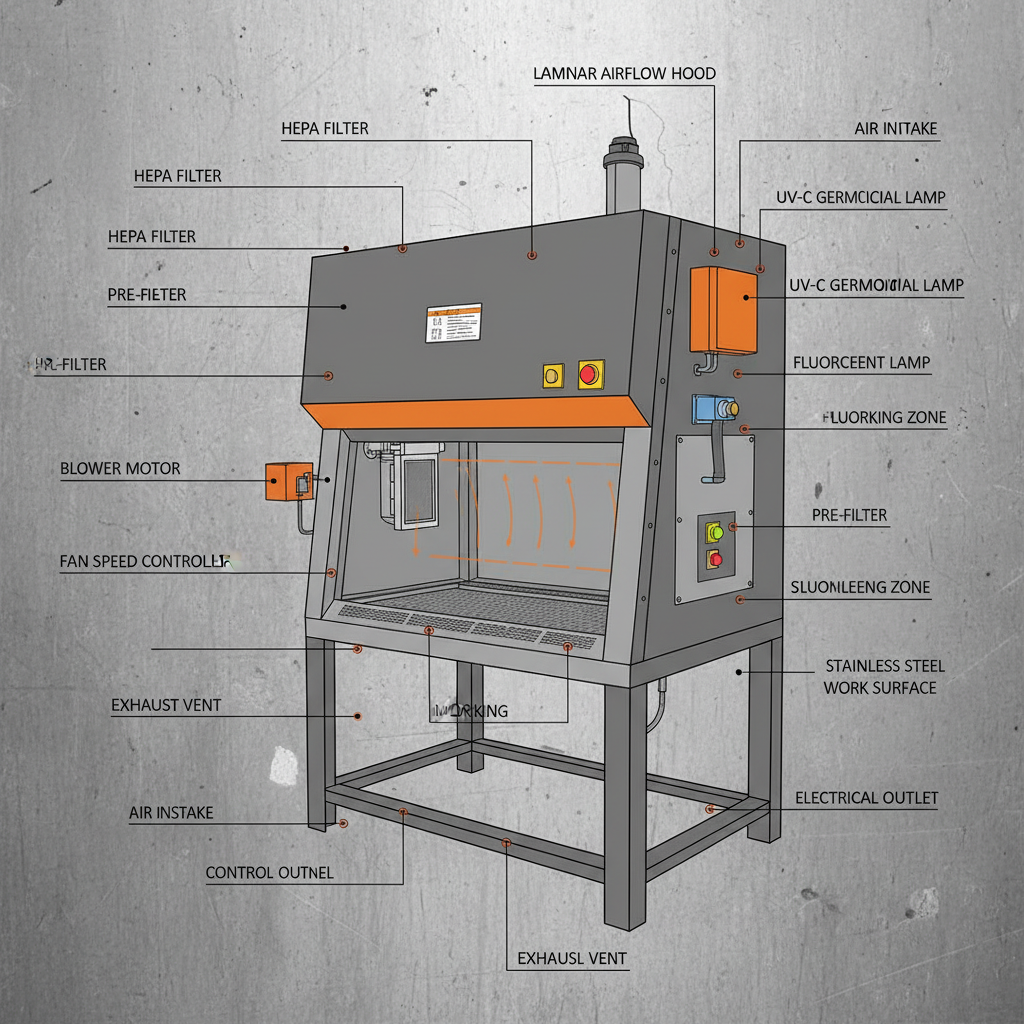
Laminar airflow refers to the movement of air in a single direction, creating a smooth, linear flow. This differs from turbulent airflow, which is chaotic and can carry contaminants. Laminar airflow hoods utilize HEPA (High-Efficiency Particulate Air) filters to remove at least 99.97% of particles 0.3 micrometers in diameter. This filtered air is then blown across the work surface, creating a clean zone. It's important to note that laminar airflow hoods do not provide product protection from airborne contaminants generated within the hood, but protect the work from external contamination. They are fundamentally about protecting the product or experiment, not the operator. CZLabInstrument offers a range of laminar airflow hoods designed for diverse applications.
Key Takeaway: Laminar airflow hoods create a particle-free work environment by directing HEPA-filtered air in a unidirectional flow, protecting sensitive work processes from external contamination.
Types of Laminar Airflow Hoods
There are two primary types of laminar airflow hoods: vertical and horizontal. The choice depends on the specific application and the characteristics of the materials being handled. Horizontal laminar airflow hoods blow filtered air across the work surface from back to front, providing a clean zone that is well-suited for working with large objects. Vertical laminar airflow hoods, conversely, blow air downwards onto the work surface, offering superior protection from rising vapors and aerosols. Understanding the difference between these types is critical for selecting the appropriate hood for your needs. We at CZLabInstrument can advise on which type is most suited to your laboratory's specific requirements.
Horizontal vs. Vertical Laminar Airflow Hoods:
• Horizontal: Airflow from back to front, suitable for larger objects.
• Vertical: Airflow from top to bottom, superior protection from rising contaminants.
• Both: Utilize HEPA filtration for particle removal.
Laminar Airflow Hood Applications
The versatility of laminar airflow hoods makes them indispensable in a wide range of applications. In pharmaceutical research, they are used for sterile compounding and drug preparation. Biotechnology labs rely on them for cell culture, microbiology, and molecular biology experiments. The electronics industry uses them to assemble and inspect sensitive components. Furthermore, they are essential in food preparation, medical device manufacturing, and quality control laboratories. CZLabInstrument's laminar airflow hoods cater to these diverse needs, offering customizable options to suit specific requirements.
Key Features to Consider When Choosing a Laminar Airflow Hood
Selecting the right laminar airflow hood requires careful consideration of several key features. Airflow velocity is crucial, typically ranging from 50-100 linear feet per minute (LFM). The hood’s size should accommodate the necessary equipment and workflow. Material construction (typically stainless steel) affects durability and cleanability. Furthermore, consider features like UV sterilization, integrated lighting, and alarm systems for filter integrity. CZLabInstrument provides detailed specifications and customizable options to meet your specific requirements.
Maintaining Your Laminar Airflow Hood for Optimal Performance
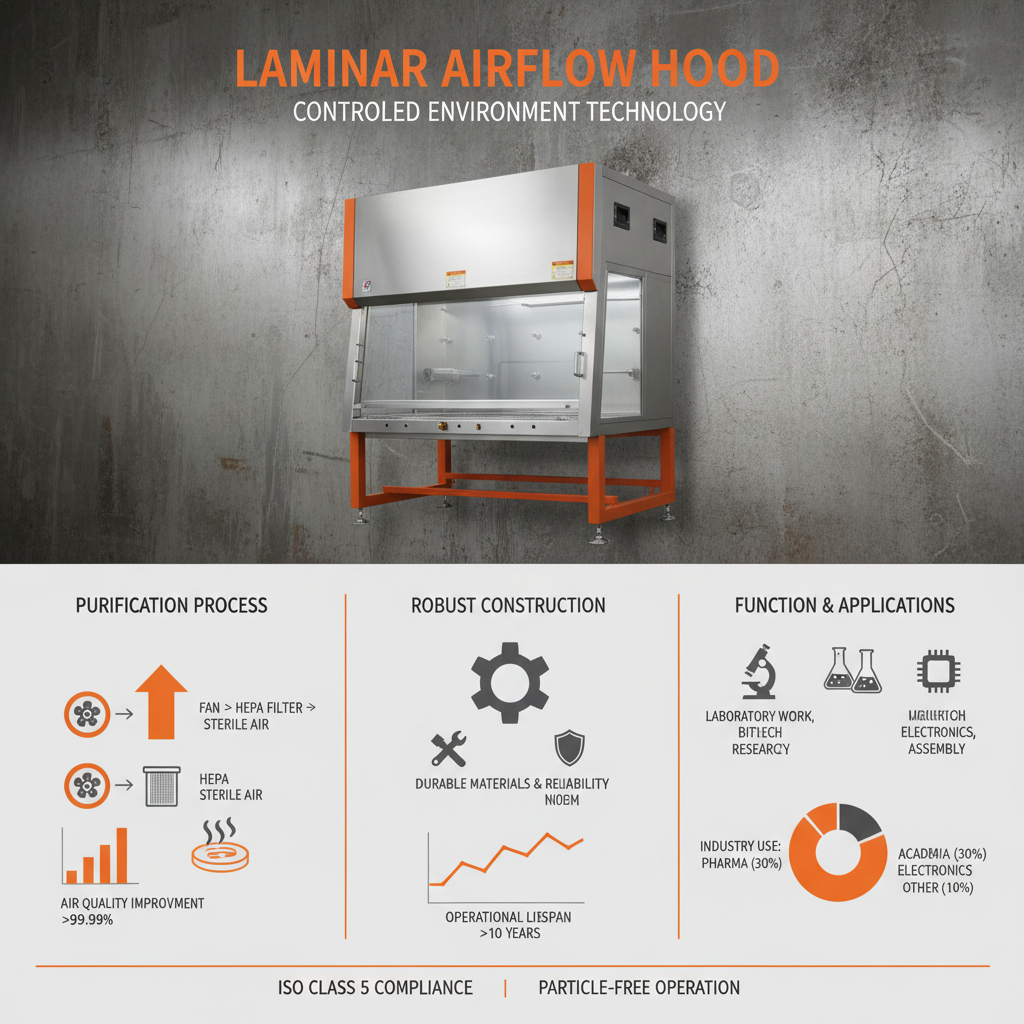
Regular maintenance is vital for ensuring the continued performance and reliability of your laminar airflow hood. This includes regularly replacing the HEPA filters (typically every 6-12 months, depending on usage), cleaning the work surface with appropriate disinfectants, and monitoring airflow velocity. Proper filter replacement requires specific procedures to maintain sterility. It’s also essential to perform routine inspections for leaks or damage. CZLabInstrument provides comprehensive maintenance guidelines and support to help you keep your hood operating at peak efficiency.
Conclusion: Ensuring a Sterile Environment with a Laminar Airflow Hood
Investing in a laminar airflow hood from CZLabInstrument is a critical step towards maintaining a sterile and controlled work environment. By understanding the different types, applications, and maintenance requirements, you can select the optimal hood for your needs and ensure reliable performance for years to come. Prioritize safety, accuracy, and product quality by investing in a high-quality laminar airflow solution.
Frequently Asked Questions (FAQs)
How often should I replace the HEPA filter in my laminar airflow hood?
The HEPA filter should typically be replaced every 6-12 months, depending on usage and the level of particulate matter in the surrounding environment. It's crucial to monitor the filter's performance using a particle counter or airflow velocity meter. A decrease in airflow or a high particle count indicates the filter needs replacement. Using a high-quality filter from a reputable supplier, like those offered by CZLabInstrument, is essential for maintaining optimal filtration efficiency. Regular inspections and adherence to the manufacturer's recommendations are vital for ensuring a sterile work environment.
What type of cleaning solutions are safe to use on a laminar airflow hood?
Use only cleaning solutions specifically designed for laboratory use and compatible with the materials of your hood (typically stainless steel). Avoid abrasive cleaners, solvents, and harsh chemicals that could damage the HEPA filter or the hood's surface. 70% isopropyl alcohol is a commonly used disinfectant. Always follow the manufacturer's instructions for cleaning and disinfection. Before cleaning, ensure the hood is turned off and unplugged. Proper cleaning procedures are essential for maintaining a sterile work environment and extending the life of your equipment.
Can I use a laminar airflow hood to protect myself from hazardous materials?
No, a laminar airflow hood is designed to protect the product or process from contamination, not the operator. It does not provide personal protection against hazardous materials such as toxic fumes, volatile chemicals, or infectious agents. For operator protection, you should use a biological safety cabinet (BSC) or a fume hood, which are specifically designed to contain and exhaust hazardous materials. Using the correct containment device is critical for ensuring both product and personnel safety. CZLabInstrument offers a range of both laminar airflow hoods and biological safety cabinets.
What is the difference between a laminar airflow hood and a biosafety cabinet?
A laminar airflow hood provides a particle-free work environment for protecting materials from external contamination, but offers no protection to the operator. A biosafety cabinet (BSC) provides both product protection and personnel protection by containing aerosols and exhausting filtered air. BSCs are used when working with infectious agents or hazardous materials. The key difference lies in the airflow patterns and containment capabilities. A laminar airflow hood directs filtered air toward the work surface, while a BSC uses a combination of inflow and outflow to create a safe working environment.


