
Comprehensive Guide to Air Flow Cabinet Clean Bench Technology and Applications
Understanding Air Flow Cabinet Clean Benches: A Comprehensive Guide
In the realm of scientific research, pharmaceutical development, and electronics manufacturing, maintaining a sterile working environment is paramount. Air Flow Cabinet Clean Benches (also known as laminar flow hoods) are essential tools for preventing contamination and ensuring the integrity of experiments and products. This article provides a comprehensive overview of clean benches, their types, applications, key features, and considerations for selection. Properly understanding and utilizing a clean bench is critical for achieving reliable and reproducible results in a variety of sensitive applications.
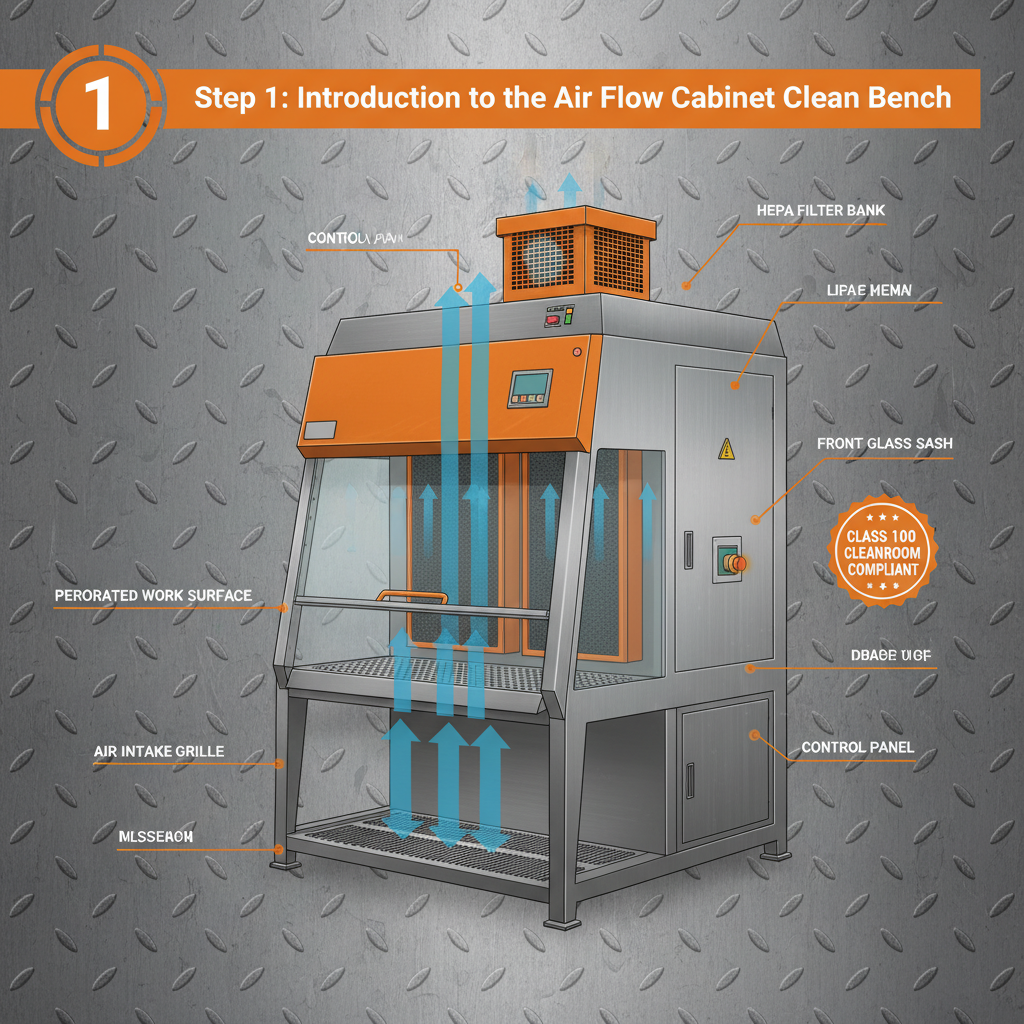
What is an Air Flow Cabinet Clean Bench?
An Air Flow Cabinet Clean Bench is a workstation designed to create a particulate-free working area. It achieves this by drawing air through a HEPA (High-Efficiency Particulate Air) filter, which removes at least 99.97% of particles 0.3 microns in diameter. This filtered air then flows in a smooth, laminar (unidirectional) stream over the work surface, preventing contaminants from entering the critical area. Clean benches are crucial for protecting sensitive materials from airborne particles, such as dust, bacteria, and viruses. They are not designed to protect the user, and thus, are not suitable for working with hazardous chemicals or biological agents without additional safety measures.
Key Features: HEPA filtration, laminar airflow, stainless steel work surface, UV sterilization (optional), digital controls.
Types of Air Flow Cabinet Clean Benches
Clean benches are primarily categorized into two main types: horizontal laminar flow benches and vertical laminar flow benches. Each type offers distinct advantages depending on the specific application. Horizontal flow benches direct the filtered air horizontally across the work surface, making them ideal for applications where preserving the sterility of instruments or samples is paramount, but user protection is not a concern. Vertical flow benches, conversely, direct the filtered air downwards, providing enhanced protection for the work surface and reducing the risk of airborne contaminants rising. Understanding these differences is vital when selecting the appropriate clean bench for your needs. CZLabInstrument offers both types of clean benches to cater to a diverse range of laboratory applications.
Key Differences:
• Horizontal Flow: Air flows horizontally, ideal for sample protection.
• Vertical Flow: Air flows vertically, providing enhanced surface protection.
Applications of Air Flow Cabinet Clean Benches
The versatility of clean benches makes them indispensable in a wide range of industries and applications. They are extensively used in pharmaceutical compounding to ensure sterile drug preparations. In electronics manufacturing, they prevent contamination during the assembly of sensitive components. Microbiology laboratories rely on clean benches for culturing microorganisms and performing sterile techniques. Furthermore, they are vital in research settings for cell culture, molecular biology, and other sensitive experiments. From quality control to product development, clean benches play a critical role in maintaining high standards of cleanliness and accuracy.
Key Considerations When Choosing an Air Flow Cabinet Clean Bench
Selecting the right clean bench requires careful consideration of several factors. The size of the work area is crucial, ensuring it accommodates your equipment and workflow. The type of filtration (HEPA) and airflow pattern (horizontal or vertical) should align with your specific application. Consider the materials of construction – stainless steel is preferred for its durability and ease of cleaning. Additional features like UV sterilization and digital controls can enhance functionality. Finally, ensure the clean bench meets relevant safety standards and certifications. CZLabInstrument provides expert guidance to help you select the optimal clean bench for your needs.
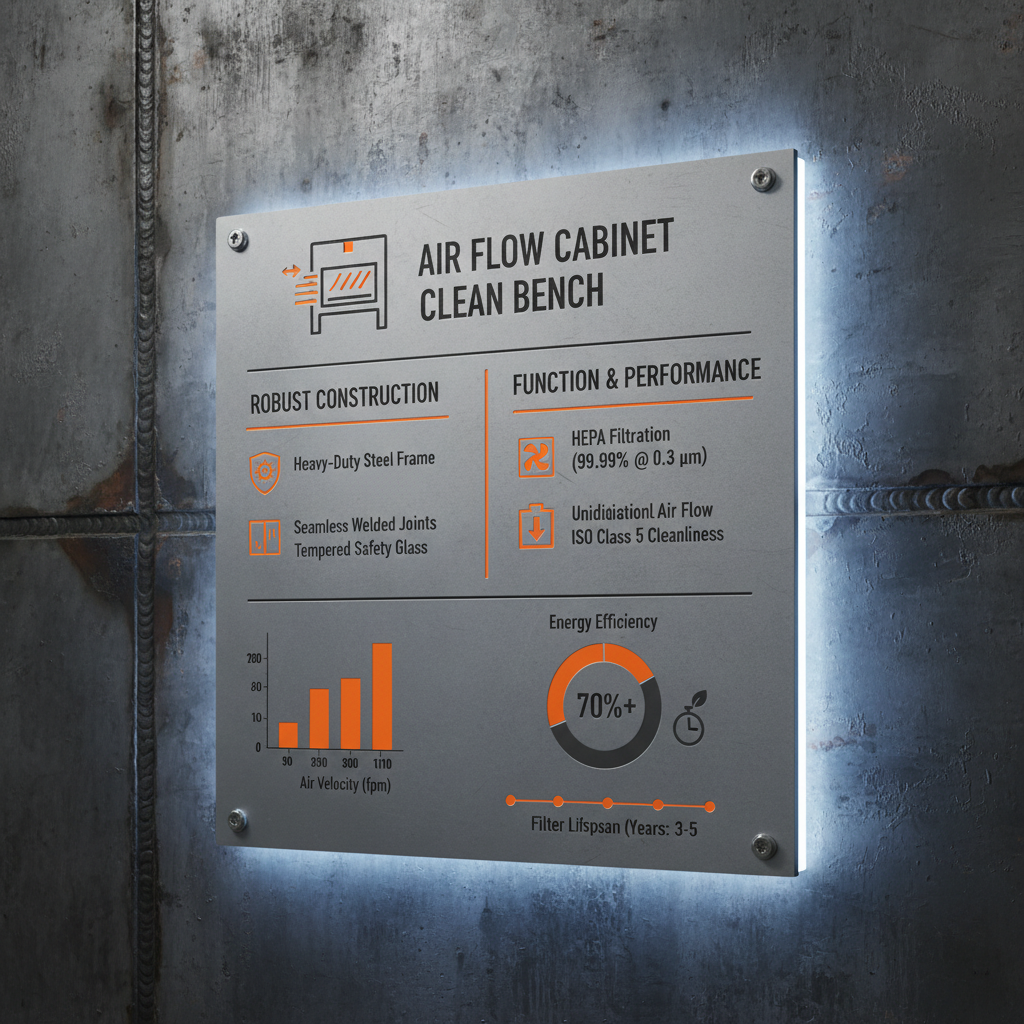
Air Flow Cabinet Clean Bench Product Specifications
Here’s a representative specification table for a typical vertical laminar flow clean bench:
Conclusion: Ensuring a Sterile Environment with Quality Clean Benches
Investing in a high-quality Air Flow Cabinet Clean Bench is essential for maintaining the integrity of sensitive processes. From research and development to manufacturing and quality control, a clean bench provides a controlled environment that minimizes contamination and ensures reliable results. Choosing the right bench, with features tailored to your specific needs, is critical for optimizing performance and protecting your valuable work. CZLabInstrument offers a wide range of clean benches and expert support to help you find the perfect solution.
Frequently Asked Questions (FAQs)
What is the difference between a clean bench and a biosafety cabinet?
Clean benches and biosafety cabinets (BSCs) are often confused, but they serve different purposes. Clean benches provide a sterile work environment to protect the product or experiment from contamination, but they do not protect the user from exposure to hazardous materials. BSCs, on the other hand, are designed to protect both the product and the user. They feature inward airflow and HEPA filtration to contain hazardous aerosols and prevent their release into the lab environment. BSCs are essential for working with infectious agents, volatile chemicals, or other potentially harmful substances. Choosing the correct cabinet depends entirely on the nature of the work being performed.
How often should I change the HEPA filter in my clean bench?
The frequency of HEPA filter replacement depends on usage and environmental conditions. Typically, HEPA filters should be replaced every 6-12 months, but this can vary. Regular filter integrity testing (using a DOP test) is crucial to determine when replacement is necessary. A DOP test measures the filter’s efficiency at capturing particles. If the filter fails the DOP test, it must be replaced. It is also advisable to replace filters if they become visibly soiled or if the airflow velocity drops below the recommended level.
What are the best practices for maintaining a clean bench?
Maintaining a clean bench is crucial for ensuring its effectiveness. Regularly disinfect the work surface with an appropriate sanitizing agent. Avoid cluttering the bench with unnecessary items. Minimize movement inside the bench to reduce airflow disruption. Ensure the bench is operated in a clean environment, away from drafts and high-traffic areas. Always use sterile techniques when working inside the bench. Regularly inspect the HEPA filter and airflow velocity and perform necessary maintenance according to the manufacturer's instructions.
Can I use harsh chemicals inside a clean bench?
The use of harsh chemicals inside a clean bench should be carefully considered. While some chemicals may be compatible, others can damage the HEPA filter or the bench’s internal components. Always check the manufacturer's guidelines regarding chemical compatibility. If using chemicals, ensure adequate ventilation and use appropriate personal protective equipment (PPE). Avoid spilling chemicals inside the bench, and clean up any spills immediately. Consider using a dedicated clean bench for chemical applications to prevent cross-contamination.


