
Comprehensive Guide to Automatic Vicat Tester for Material Analysis
Automatic Vicat Tester: A Comprehensive Guide
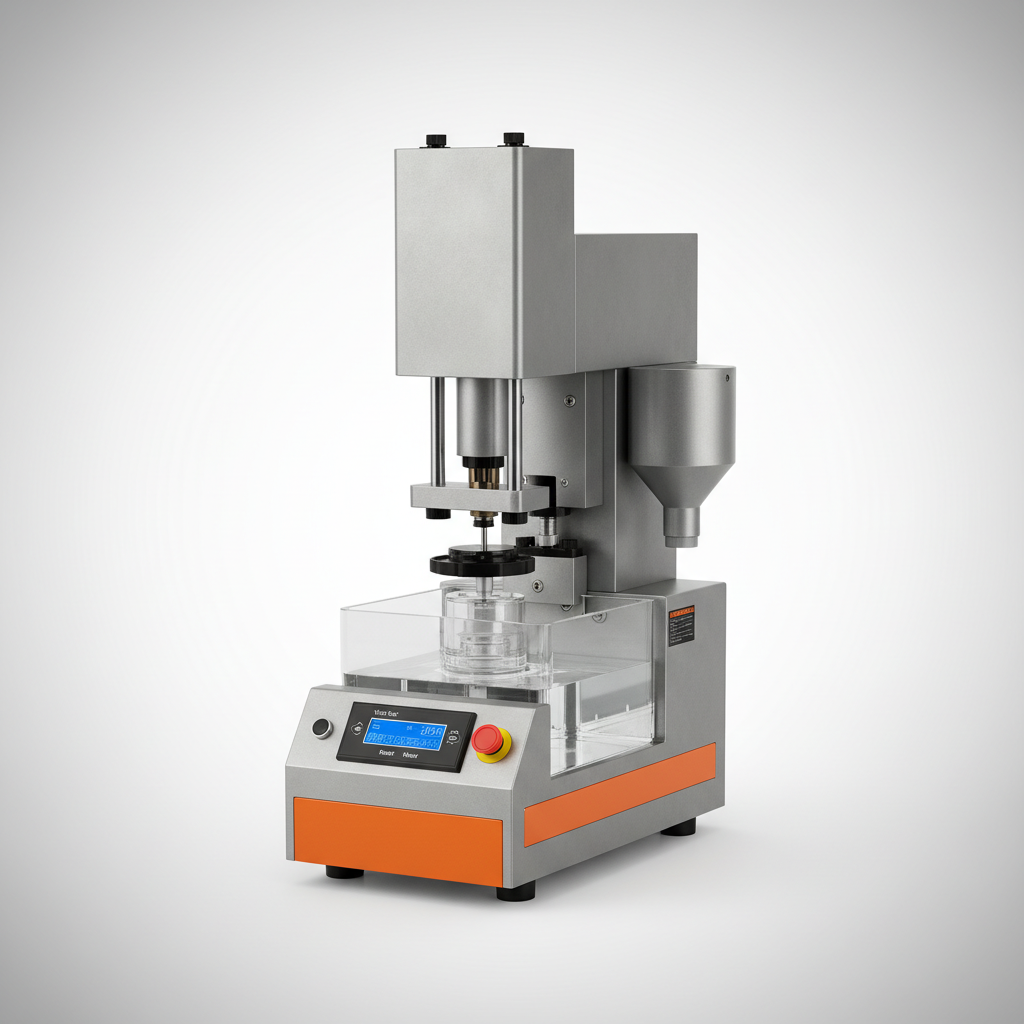
The Automatic Vicat Tester is a crucial piece of equipment for determining the softening point of thermoplastic materials. This is a vital test in quality control and research & development across various industries. This article will delve into the principles, applications, features, and benefits of utilizing an automatic Vicat tester, providing a thorough understanding of its importance in material analysis. Accurate and reliable softening point determination is essential for ensuring product safety, performance, and longevity. Understanding how this instrument works and its capabilities can significantly improve the efficiency and accuracy of your testing processes.
Understanding the Vicat Softening Point Test
The Vicat softening point test, standardized under ASTM D1525 and ISO 306, determines the temperature at which a specimen of thermoplastic material undergoes a specified degree of penetration when subjected to a constant load. The Automatic Vicat Tester automates this process, providing precise temperature control and accurate measurements. This test is particularly important for materials used in applications requiring temperature resistance, such as automotive parts, packaging, and consumer goods. It allows manufacturers to verify that the materials will maintain their structural integrity at elevated temperatures. The result is a crucial parameter for material selection and product design.
Key Benefits: Automated temperature control, precise penetration measurement, reproducible results, and enhanced laboratory efficiency.
Applications of Automatic Vicat Testing
The applications for the Automatic Vicat Tester are diverse, spanning multiple industries. In the plastics industry, it’s used for quality control of raw materials and finished products. The automotive sector utilizes the test to ensure components can withstand high temperatures. The packaging industry relies on Vicat testing to verify the heat resistance of packaging materials, protecting contents during transportation and storage. Furthermore, research and development labs employ it for material characterization and selection. The consistency and reliability of the test results contribute significantly to overall product quality and safety.
Industry Applications:
• Plastics Manufacturing
• Automotive Components
• Packaging Materials
• Research & Development
Automatic Vicat Tester: Key Features and Specifications
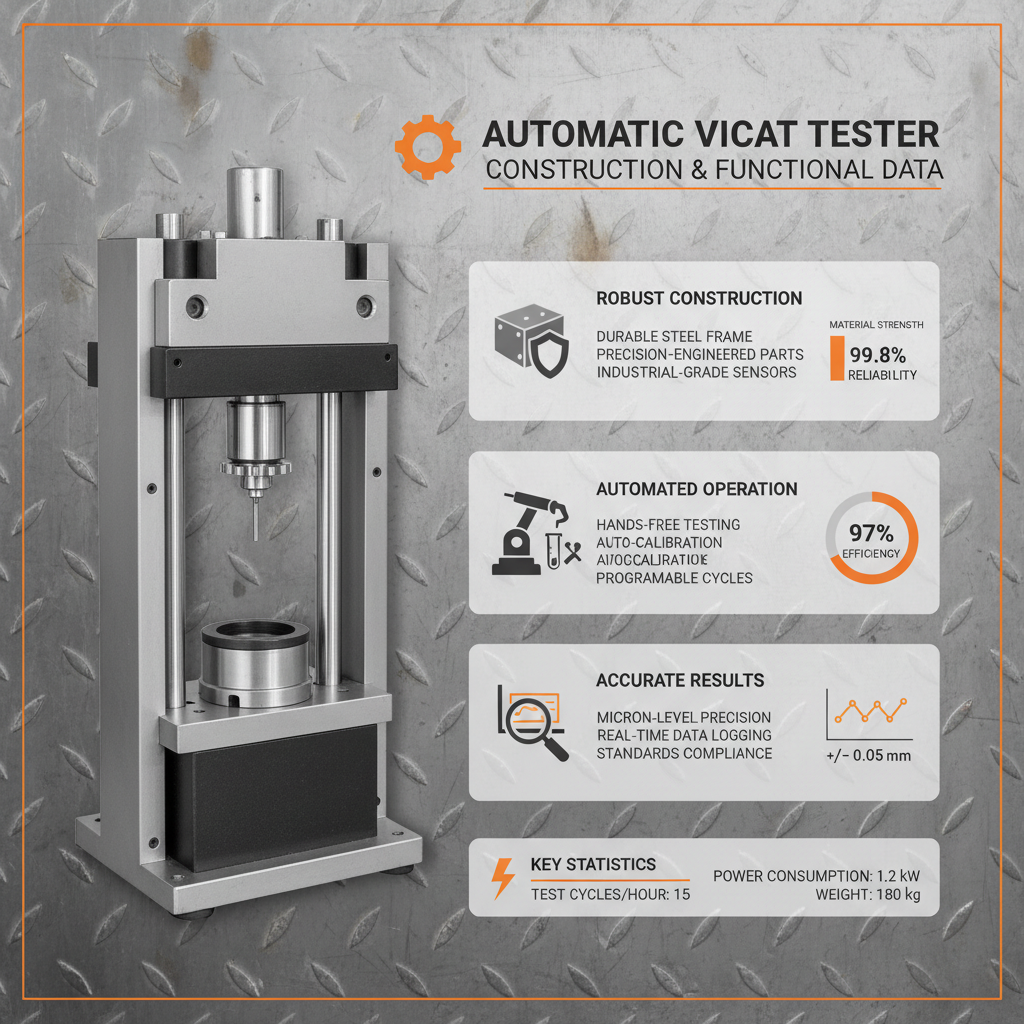
The CZLab Automatic Vicat Tester is engineered for precision and ease of use. Key features include a programmable temperature controller, precise load application, automatic penetration detection, and a user-friendly interface. The instrument typically offers a wide temperature range, accommodating diverse material types. The software often includes data logging and reporting capabilities for efficient analysis. These features ensure accurate and repeatable results, simplifying the testing process and reducing human error.
Manual vs. Automatic Vicat Testing: A Comparison
While manual Vicat testing is possible, an Automatic Vicat Tester offers significant advantages. Manual testing is prone to human error in temperature control and penetration measurement. The automated version provides consistent and reproducible results, saving time and resources. Furthermore, automatic data logging eliminates the need for manual record-keeping, reducing the risk of transcription errors. The improved accuracy and efficiency make the automatic tester a superior choice for demanding applications.
Investing in Quality: Choosing the Right Vicat Tester
Selecting the right Automatic Vicat Tester is an investment in the quality and reliability of your materials testing processes. Consider factors such as temperature range, load capacity, accuracy, and ease of use. Ensure the instrument meets relevant industry standards and is supported by a reputable manufacturer. CZLab Instrument provides high-quality, reliable Vicat testers backed by exceptional customer service. A well-chosen tester will contribute to improved product quality, reduced costs, and enhanced customer satisfaction.
Conclusion: Ensuring Material Integrity with Precise Testing
The CZLab Automatic Vicat Tester is an invaluable tool for industries relying on accurate softening point determination. Its precision, automation, and compliance with industry standards make it an essential component of any quality control laboratory. By investing in reliable testing equipment, you can ensure the integrity of your materials, enhance product performance, and maintain customer trust.
Frequently Asked Questions (FAQs)
What types of materials can be tested with an Automatic Vicat Tester?
The Automatic Vicat Tester is primarily designed for thermoplastic materials, including polymers like polyethylene (PE), polypropylene (PP), polyvinyl chloride (PVC), polystyrene (PS), and acrylonitrile butadiene styrene (ABS). It can also be used to test certain thermosetting plastics under specific conditions. However, it's important to ensure the material meets the requirements of the ASTM D1525 or ISO 306 standards for accurate results. The instrument's temperature range and load capacity should be appropriate for the material being tested. Different materials exhibit varying softening behaviors, so proper material selection and test parameter configuration are crucial.
How do I calibrate an Automatic Vicat Tester?
Calibration is essential for ensuring the accuracy of your Vicat testing results. The calibration process typically involves verifying the temperature accuracy using a calibrated thermometer and checking the load application using calibrated weights. The CZLab Automatic Vicat Tester usually comes with calibration instructions. Regular calibration, at least annually or after major maintenance, is recommended. Following the manufacturer's guidelines and using traceable calibration standards will ensure the reliability of your measurements.
What are the common sources of error in Vicat testing?
Several factors can contribute to errors in Vicat testing. Improper sample preparation, including variations in specimen thickness or surface finish, can affect results. Inaccurate temperature control or load application can also lead to errors. Environmental factors, such as temperature fluctuations in the laboratory, should be minimized. Furthermore, operator error, such as incorrect data recording or misinterpretation of results, can occur. Proper training, adherence to standardized procedures, and regular instrument calibration are crucial for minimizing these errors.


