
Comprehensive Guide to Biological Safety Cabinet Selection and Usage
Biological Safety Cabinet: A Comprehensive Guide
A Biological Safety Cabinet (BSC) is a crucial piece of equipment in any laboratory handling infectious agents. It's designed to protect the lab personnel, the environment, and the experiment itself. This article provides an in-depth look at BSCs, covering their types, applications, important features, and how to choose the right one for your needs. Understanding the nuances of BSC technology is essential for maintaining a safe and productive research environment. Proper selection and usage are paramount for effective contamination control.
Understanding the Different Classes of Biological Safety Cabinets
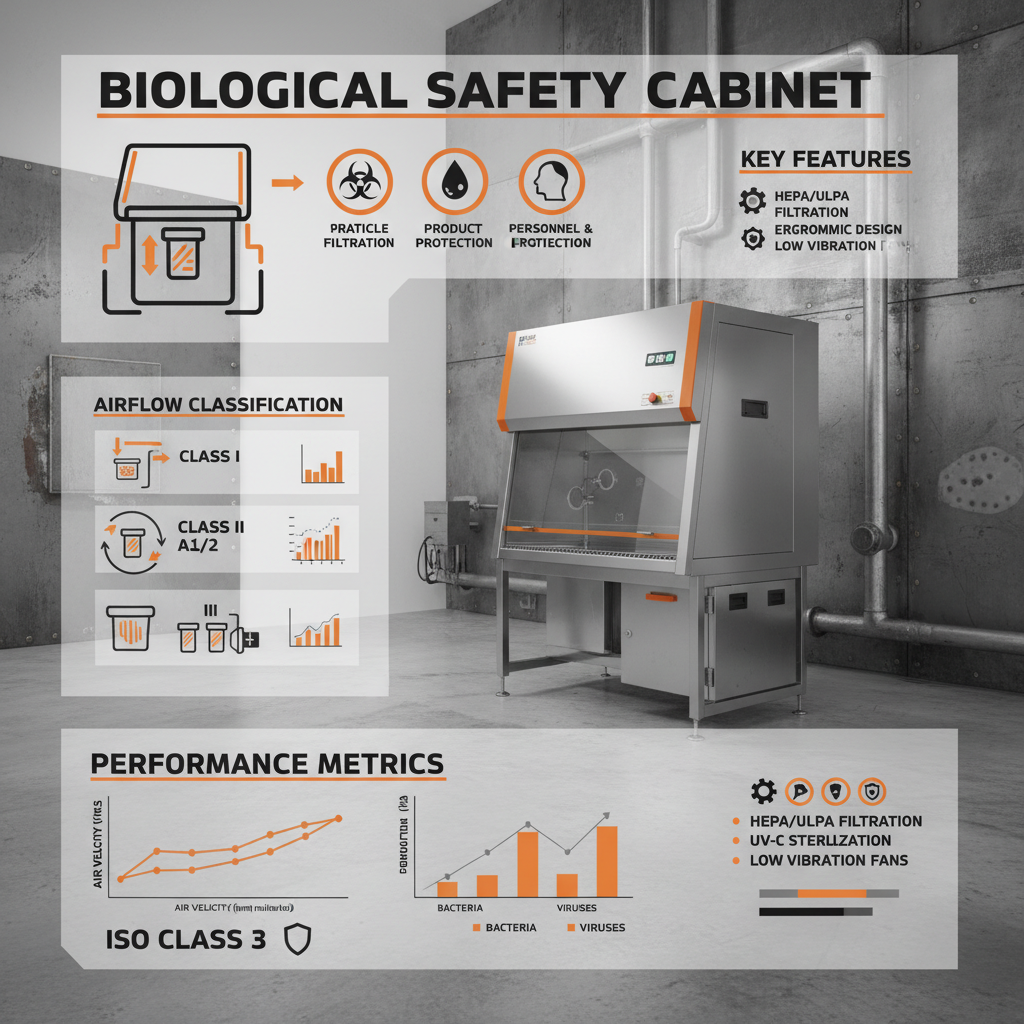
BSCs are categorized into different classes – Class I, Class II (with subtypes A2, B1, and B2), and Class III – each offering a different level of protection and suited for specific applications. Class I provides personnel and environmental protection but doesn't offer product protection. Class II BSCs are the most commonly used, offering personnel, product, and environmental protection, with variations in exhaust systems and airflow patterns. Class III offers the highest level of protection for all three, typically used for handling extremely hazardous materials. Selecting the appropriate class depends on the risk level of the agents being handled and the specific experimental protocols.
Key Takeaway: The classification of a BSC directly correlates to the level of protection it provides for personnel, the environment, and the experiment itself.
Class II Biological Safety Cabinets: A Detailed Breakdown
Class II BSCs are the workhorses of most labs. They operate by drawing air in, filtering it (typically using HEPA filters), and exhausting it back into the lab or through an exhaust system. The A2 subtype recirculates approximately 70% of the filtered air back into the cabinet, while B1 and B2 types exhaust 100% of the air. B2 cabinets are connected to a dedicated exhaust system and are suitable for handling hazardous materials where exhaust filtration is crucial. Understanding the differences in airflow and exhaust systems is critical for choosing the right cabinet for your application.
Class II Subtype Comparison:
• A2: Recirculates 70% of filtered air, most common type.
• B1: Exhausts 100% of filtered air, requires hard-ducting.
• B2: Exhausts 100% of filtered air, requires dedicated exhaust system.
Biological Safety Cabinet vs. Laminar Flow Hood: Key Differences
It's important to distinguish between a Biological Safety Cabinet and a Laminar Flow Hood. While both provide a controlled environment, they serve different purposes. Laminar Flow Hoods only offer product protection by providing a particle-free workspace. They do not protect the user or the environment. BSCs, on the other hand, provide protection for all three. Choosing the correct unit depends entirely on the nature of the work being performed. Using a laminar flow hood when a BSC is required poses a significant safety risk.
Choosing the Right Biological Safety Cabinet for Your Lab
Selecting a BSC involves considering several factors, including the type of agents being handled, the required level of protection, the available space, and the budget. It's crucial to assess the risk levels of your experiments and choose a cabinet that meets or exceeds the necessary safety standards. Consider factors such as the size of the working area, the energy efficiency of the unit, and the availability of service and maintenance support. CZ Lab Instrument offers a wide range of BSCs to meet diverse laboratory needs.
Maintaining and Certifying Your Biological Safety Cabinet
Regular maintenance and certification are essential to ensure the continued effectiveness of your BSC. This includes routine filter changes, airflow measurements, and performance testing. Certification should be performed at least annually, and whenever the cabinet is moved or serviced. Proper usage protocols, such as avoiding disruptive movements inside the cabinet and keeping the sash at the correct height, are also crucial for maintaining a safe working environment. Following manufacturer recommendations and adhering to established safety guidelines will prolong the lifespan of your BSC and ensure optimal protection.
Conclusion: Prioritizing Safety with a Reliable BSC
A Biological Safety Cabinet is an indispensable investment for any laboratory working with potentially hazardous biological materials. By understanding the different classes, applications, and maintenance requirements, you can ensure a safe and productive research environment. Choosing a high-quality BSC from a reputable supplier, like CZ Lab Instrument, is a crucial step in prioritizing the safety of your personnel and the integrity of your research.
Frequently Asked Questions (FAQs)
How often should I change the HEPA filters in my BSC?
The frequency of HEPA filter replacement depends on usage, the types of agents handled, and the manufacturer’s recommendations. Generally, filters should be replaced at least annually, or more often if indicated by filter integrity testing or visual inspection. A blocked or compromised HEPA filter significantly reduces the effectiveness of the BSC, potentially exposing personnel and contaminating samples. Regular filter integrity testing is crucial to ensure proper functionality.
What is the correct way to work inside a BSC?
To maximize safety and effectiveness, maintain a minimum of 6 inches of space between your work and the back wall of the BSC. Avoid blocking the airflow grilles. Minimize movements inside the cabinet, and avoid passing materials over the front opening. Work from clean to dirty, and always disinfect surfaces before and after use. Proper technique is essential for ensuring the BSC functions as intended.
How do I know if my BSC is functioning properly?
Regular certification performed by a qualified technician is the best way to ensure proper functioning. However, you can also perform visual inspections to check for any obvious issues, such as damaged filters or airflow obstructions. Monitor airflow indicators and ensure the cabinet maintains negative pressure. Any discrepancies should be addressed immediately by a certified professional.
What safety precautions should be taken when working with a BSC?
Always wear appropriate personal protective equipment (PPE), including gloves, lab coats, and eye protection. Thoroughly disinfect the BSC before and after each use. Never work with highly volatile or flammable materials inside the BSC, as this poses a fire hazard. Follow established laboratory safety protocols and guidelines to minimize the risk of exposure.


