
Comprehensive Guide to Cement Strength Testing Machine Applications and Selection
Cement Strength Testing Machine: A Comprehensive Guide
Ensuring the quality and reliability of cement is crucial in construction and infrastructure projects. A cement strength testing machine is an indispensable tool for evaluating the compressive strength of cement, a key indicator of its performance. This article will explore the importance of cement strength testing, the different types of machines available, key features to consider, applications, and how to choose the right machine for your specific needs. Investing in a high-quality testing machine ensures accurate results and contributes to safer, more durable structures.
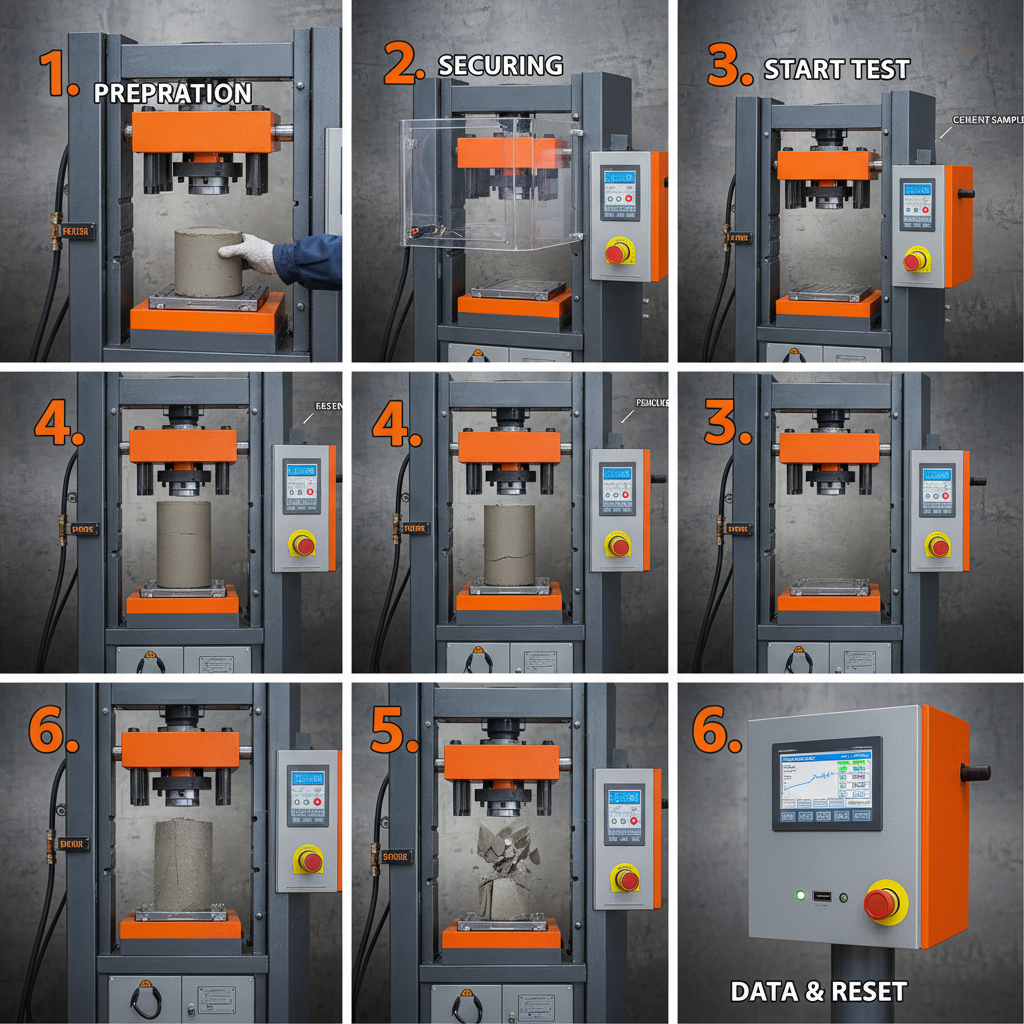
Why is Cement Strength Testing Important?
Cement strength testing is a fundamental quality control procedure in the cement industry. Compressive strength, measured in megapascals (MPa), directly correlates to the cement's ability to withstand loads. This data is essential for verifying that the cement meets established standards (like ASTM or EN) and is suitable for its intended application. Accurate testing prevents structural failures, ensures long-term durability, and minimizes costly repairs. Furthermore, consistent testing throughout the production process helps identify and address any inconsistencies or defects in the cement mixture.
Key Benefits: Prevents structural failures, ensures durability, verifies compliance with industry standards, and optimizes cement mixture consistency.
Types of Cement Strength Testing Machines
Several types of machines are used for cement strength testing, each suited to different testing needs and budgets. The most common types include:
- Manual Cement Testing Machine: These machines rely on manual force application and are typically more affordable, suitable for smaller laboratories or occasional testing.
- Electro-Mechanical Universal Testing Machine: Offering precise control and automated data acquisition, these machines are ideal for routine testing and research.
- Hydraulic Universal Testing Machine: Capable of generating high forces, hydraulic machines are commonly used for testing high-strength cement and other construction materials.
- Automated Cement Testing Machine: These machines automate the entire testing process, including specimen preparation, loading, and data recording, maximizing efficiency and minimizing operator error.
Key Features to Consider When Choosing a Cement Strength Testing Machine
Selecting the right machine requires careful consideration of several key features. These include:
- Load Capacity: Ensure the machine's capacity meets the maximum compressive strength expected from the cement being tested.
- Accuracy & Precision: Look for machines with high accuracy and precision to ensure reliable results.
- Control System: Consider the level of automation and control offered by the machine's control system.
- Data Acquisition & Analysis: A robust data acquisition system is crucial for collecting and analyzing test data efficiently.
- Compliance with Standards: Verify that the machine meets relevant testing standards (ASTM, EN, etc.).
Essential Features:
• High load capacity for diverse cement types
• Accurate and precise load application
• User-friendly control system
• Compliance with international standards (ASTM, EN)
Applications of Cement Strength Testing
Cement strength testing machines are utilized in a wide range of applications, including:
- Cement Manufacturing: Quality control throughout the production process.
- Construction Sites: Verification of cement quality before use in construction projects.
- Research & Development: Developing and evaluating new cement formulations.
- Civil Engineering Laboratories: Testing cement samples for various research and development projects.
- Building Material Inspection: Ensuring the quality of cement used in building materials.
Comparing Popular Models: Specifications & Pricing
Choosing the right model can be challenging. Here’s a comparison of some popular options offered by CZLab Instrument:
Conclusion: Investing in Reliable Cement Testing
A cement strength testing machine is a critical investment for any organization involved in cement production, construction, or research. By choosing a machine that meets your specific needs and budget, you can ensure accurate results, maintain quality control, and contribute to the safety and durability of structures. CZLab Instrument offers a comprehensive range of cement testing machines to suit various applications.
Frequently Asked Questions (FAQs)
What is the difference between compressive strength and tensile strength testing?
Compressive strength measures a material's resistance to being crushed, while tensile strength measures its resistance to being pulled apart. Cement strength testing primarily focuses on compressive strength because cement is typically subjected to compressive loads in construction applications. Tensile strength testing is less common for cement itself but is important for evaluating reinforced concrete.
How often should a cement strength testing machine be calibrated?
To ensure accurate and reliable results, a cement strength testing machine should be calibrated at least once a year, or more frequently if it is used extensively. Calibration involves verifying the machine's accuracy against known standards and making any necessary adjustments. CZLab Instrument offers calibration services to help maintain the performance of your equipment.
What safety precautions should be taken when operating a cement strength testing machine?
Safety is paramount when operating these machines. Always wear appropriate personal protective equipment (PPE), including safety glasses and gloves. Ensure the machine is properly grounded and that all safety guards are in place. Never exceed the machine's load capacity. Follow the manufacturer's instructions carefully and receive proper training before operating the equipment. Be aware of the potential for specimen failure and take precautions to prevent injury from flying debris.


