
Comprehensive Guide to Cement Water Bath Tank Applications and Features
Cement Water Bath Tank: A Comprehensive Guide
In the realm of material testing, particularly within the cement and construction industries, maintaining precise temperature control is paramount. A cement water bath tank plays a critical role in this process, ensuring accurate hydration and curing of cement samples. This article dives deep into the functionality, applications, features, and benefits of these essential pieces of laboratory equipment. We'll explore how choosing the right water bath tank can enhance the reliability and accuracy of your cement testing procedures, and why CZ Lab Instrument is a trusted provider of high-quality solutions.
Understanding the Purpose of a Cement Water Bath Tank
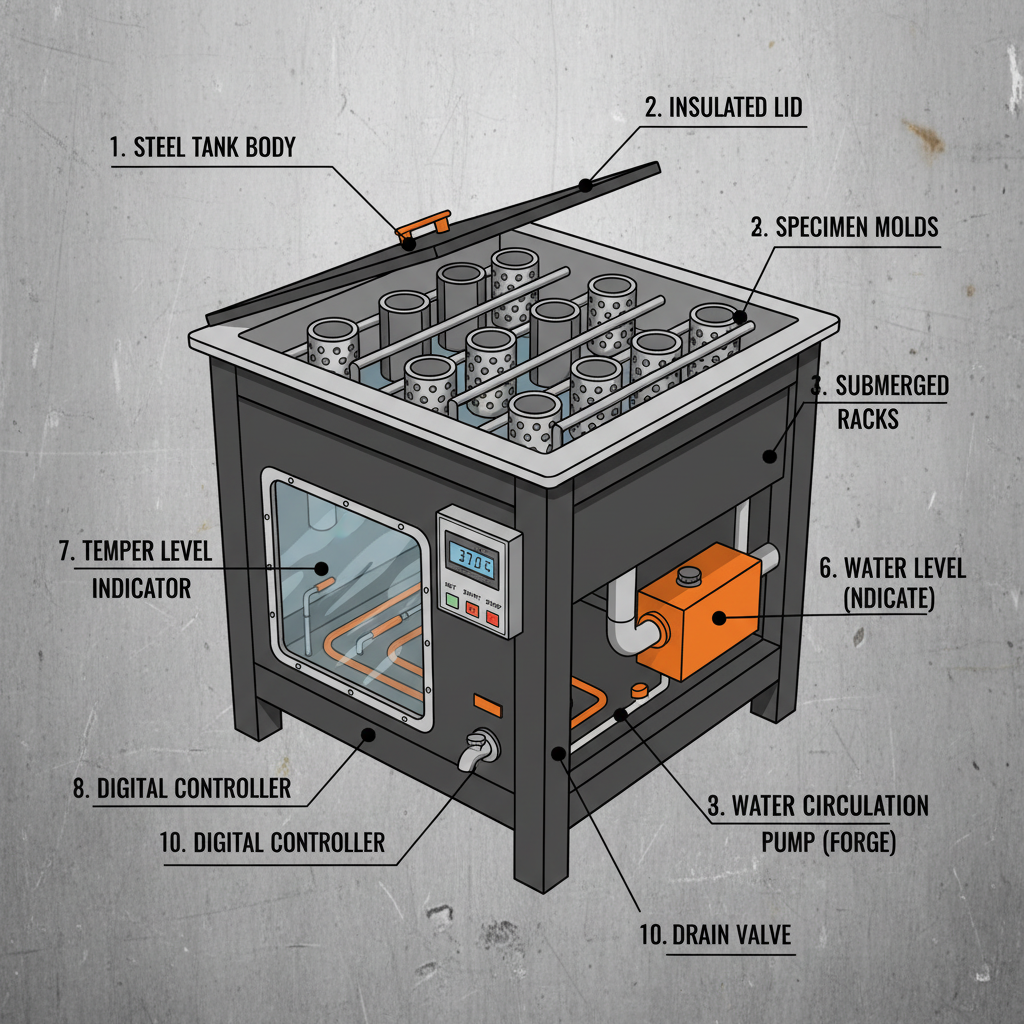
A cement water bath tank is specifically designed to maintain a consistent water temperature, crucial for simulating real-world conditions during cement hydration and curing. This controlled environment ensures that cement samples develop strength and other properties predictably and consistently. Factors like ambient temperature fluctuations can significantly impact testing results; therefore, a water bath tank provides the necessary stability. These tanks are integral to a variety of cement tests, including setting time, compressive strength, and hydration heat measurements.
Key Benefit: Consistent and precise temperature control is critical for accurate and repeatable cement testing results. Eliminating the influence of ambient temperature variations ensures reliable data.
Key Features of High-Quality Cement Water Bath Tanks
Modern cement water bath tanks come equipped with a range of features to enhance performance and user convenience. These often include precise temperature controllers with digital displays, robust insulation to minimize temperature loss, and corrosion-resistant materials for long-lasting durability. Agitation systems are frequently incorporated to ensure uniform temperature distribution throughout the tank. Additionally, features like over-temperature protection and alarms add an extra layer of safety. The quality of the heating element and the tank’s construction materials directly impact the overall accuracy and reliability of the equipment.
Essential Features:
• Precise Temperature Control with Digital Display
• Robust Insulation for Temperature Stability
• Corrosion-Resistant Construction
• Agitation System for Uniform Temperature Distribution
Cement Water Bath Tank vs. Alternative Temperature Control Methods
While alternative methods for temperature control exist, such as using temperature-controlled rooms or circulating water baths, dedicated cement water bath tanks offer significant advantages in terms of precision, efficiency, and space utilization. Temperature-controlled rooms can be expensive to maintain and may not provide the localized control needed for individual cement sample testing. Circulating water baths, while offering good temperature control, may lack the capacity and specialized features required for cement testing. A dedicated tank provides a controlled, contained environment specifically optimized for cement hydration and curing.
Applications of Cement Water Bath Tanks in Cement Testing
Cement water bath tanks are indispensable tools for various cement testing procedures. These include determining the setting time of cement (initial and final set), measuring the compressive strength of hardened cement paste, and monitoring the heat of hydration released during the cement reaction. They are also used in durability tests and for simulating long-term exposure conditions. Accurate temperature control during these tests is essential for obtaining reliable data and ensuring the quality of cement and concrete structures. CZ Lab Instrument offers tanks designed to meet the specific needs of these applications.
Choosing the Right Cement Water Bath Tank: Specifications to Consider
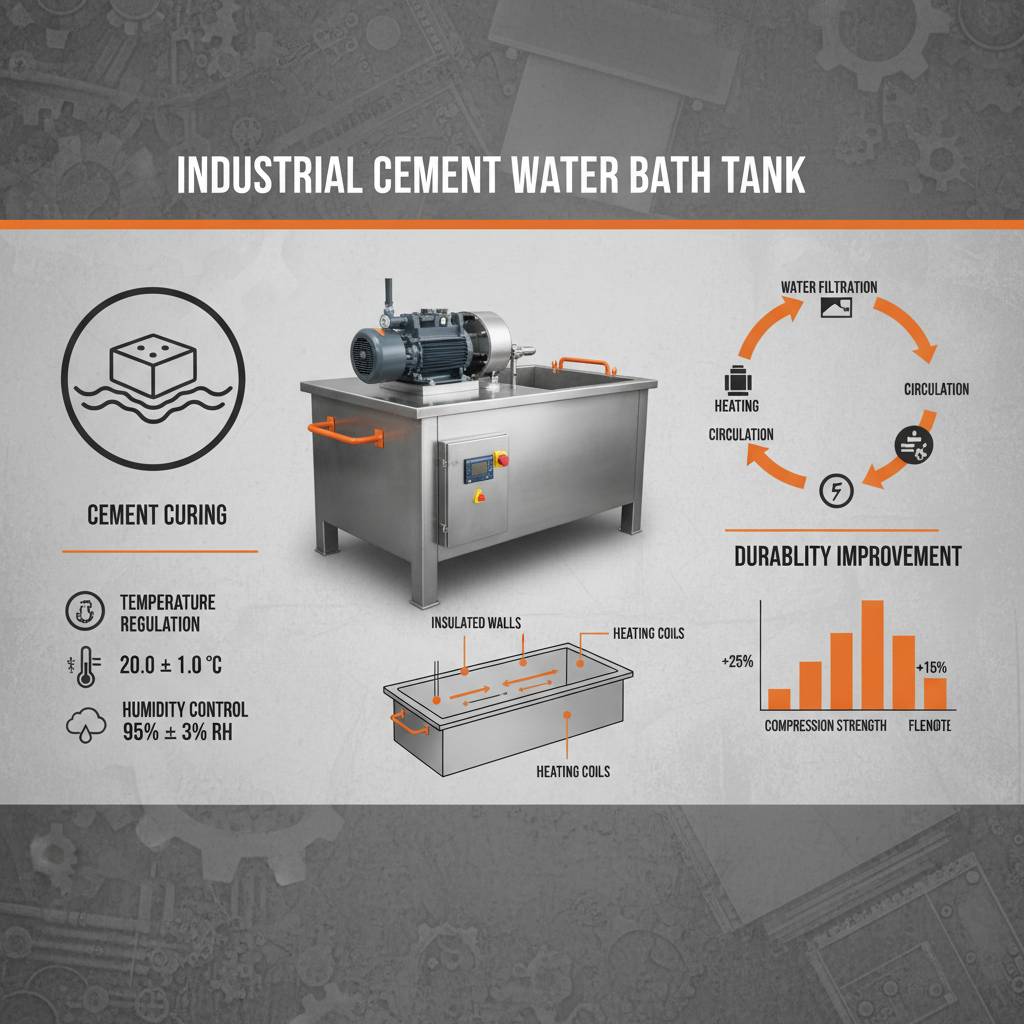
Selecting the appropriate cement water bath tank requires careful consideration of your specific testing needs. Key specifications include tank capacity (volume), temperature range, temperature control accuracy, dimensions, and materials of construction. Consider the number of samples you need to test simultaneously and the required temperature range for your specific cement type. The tank should also be constructed from corrosion-resistant materials to ensure longevity and prevent contamination.
Conclusion: Investing in Quality for Reliable Results
A cement water bath tank is an essential investment for any cement testing laboratory. By providing precise temperature control and a stable testing environment, these tanks ensure the accuracy and reliability of your results. Choosing a high-quality tank from a reputable supplier like CZ Lab Instrument guarantees long-term performance and contributes to the overall quality of your cement and concrete testing procedures.
Frequently Asked Questions (FAQs)
What temperature range is typically required for cement testing?
The required temperature range depends on the specific test being performed. However, common tests such as setting time and compressive strength often require temperatures between 20°C and 23°C. Some specialized tests may require different temperature ranges, so it's crucial to consult relevant standards and protocols. A water bath tank that offers a wide temperature range and precise control is highly recommended to accommodate various testing requirements. Choosing a tank with a resolution of 0.1°C ensures accuracy.
How important is the insulation of a water bath tank?
Insulation is critically important as it minimizes temperature fluctuations and reduces energy consumption. Well-insulated tanks maintain a stable temperature for extended periods, even with ambient temperature variations. This stability is essential for accurate and repeatable testing results. Poorly insulated tanks require the heating system to work harder to maintain the set temperature, leading to increased energy costs and potential temperature inconsistencies.
What materials are commonly used in cement water bath tank construction?
Stainless steel and polypropylene (PP) are the most common materials used in cement water bath tank construction. Stainless steel offers excellent corrosion resistance, durability, and ease of cleaning. PP is a cost-effective and chemically resistant option. The choice of material depends on the specific application and budget. For demanding applications or corrosive environments, stainless steel is generally preferred.
What maintenance is required for a cement water bath tank?
Regular maintenance is essential to ensure the long-term performance and accuracy of the tank. This includes periodically checking the water level, cleaning the tank to prevent the buildup of contaminants, and calibrating the temperature controller. Inspect the heating element and insulation for any signs of damage. Following the manufacturer's recommendations for maintenance will help prolong the lifespan of the equipment.


