
Comprehensive Guide to Cement Curing Water Tank Selection and Usage
Cement Curing Water Tank: A Comprehensive Guide
Maintaining optimal hydration levels is crucial for effective cement curing. A cement curing water tank provides a controlled environment to deliver consistent moisture, essential for strength development and durability. This article will explore the benefits, types, and key considerations when selecting a water tank for cement curing. Understanding these factors can significantly improve the quality and longevity of your concrete structures. Whether you're involved in small-scale projects or large infrastructure developments, proper cement curing is paramount.
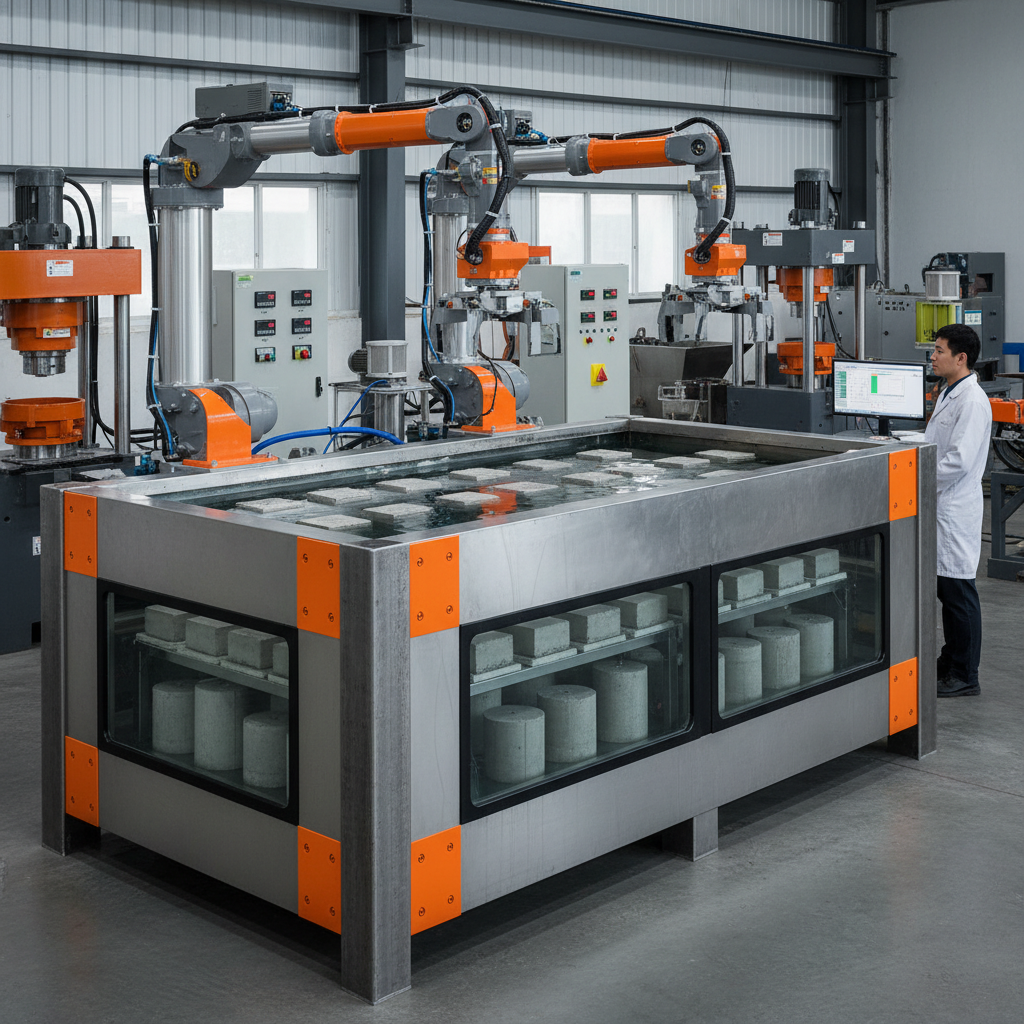
Why Use a Water Tank for Cement Curing?
Cement hydration, the chemical process responsible for concrete hardening, requires continuous moisture. Without it, premature drying can lead to cracking, reduced strength, and increased permeability. A dedicated water tank ensures a consistent supply of water for optimal curing. Methods like ponding, where concrete is submerged in water, or spraying, using water from a tank, are common. Using a water tank allows for a controlled water quality, preventing the introduction of contaminants that could negatively affect the concrete. Furthermore, tanks simplify the curing process, particularly in environments where water availability is limited or inconsistent.
Key Benefits: Consistent moisture levels, prevents cracking, enhances concrete strength, controlled water quality, and simplifies the curing process.
Types of Cement Curing Water Tanks
Various types of water tanks are suitable for cement curing, each with its own advantages and disadvantages. Common options include polyethylene tanks, stainless steel tanks, and fiberglass tanks. Polyethylene tanks are lightweight, affordable, and corrosion-resistant, making them a popular choice for many applications. Stainless steel tanks offer superior durability and hygiene but are more expensive. Fiberglass tanks are also corrosion-resistant and relatively lightweight, but may be less durable than stainless steel. The choice depends on the scale of your project, budget, and specific requirements.
Tank Material Comparison:
• Polyethylene: Lightweight, affordable, corrosion-resistant.
• Stainless Steel: Durable, hygienic, but expensive.
• Fiberglass: Corrosion-resistant, lightweight, moderate durability.
Factors to Consider When Choosing a Cement Curing Water Tank
Several factors influence the ideal water tank selection. Capacity is critical; the tank must hold enough water to adequately cover the concrete area being cured. Material compatibility is also important to avoid leaching of harmful substances into the water. Durability and resistance to UV degradation are vital if the tank will be exposed to sunlight. Consider the tank's portability and ease of cleaning. Furthermore, ensure the tank is equipped with appropriate fittings for connecting to pumps or spray systems. CZ Lab Instrument offers a range of high-quality water tanks suitable for cement curing.
Water Quality and Cement Curing
The quality of water used for curing is as important as the quantity. Impurities, such as chlorides or sulfates, can react with the cement, leading to corrosion of reinforcing steel and reduced concrete durability. Using potable water is generally recommended. Regularly clean the water tank to prevent algae growth and maintain water purity. Filtration systems can be incorporated to remove sediment and other contaminants, further ensuring optimal curing conditions. Maintaining proper water quality extends the lifespan of your concrete structures and minimizes the risk of long-term issues.
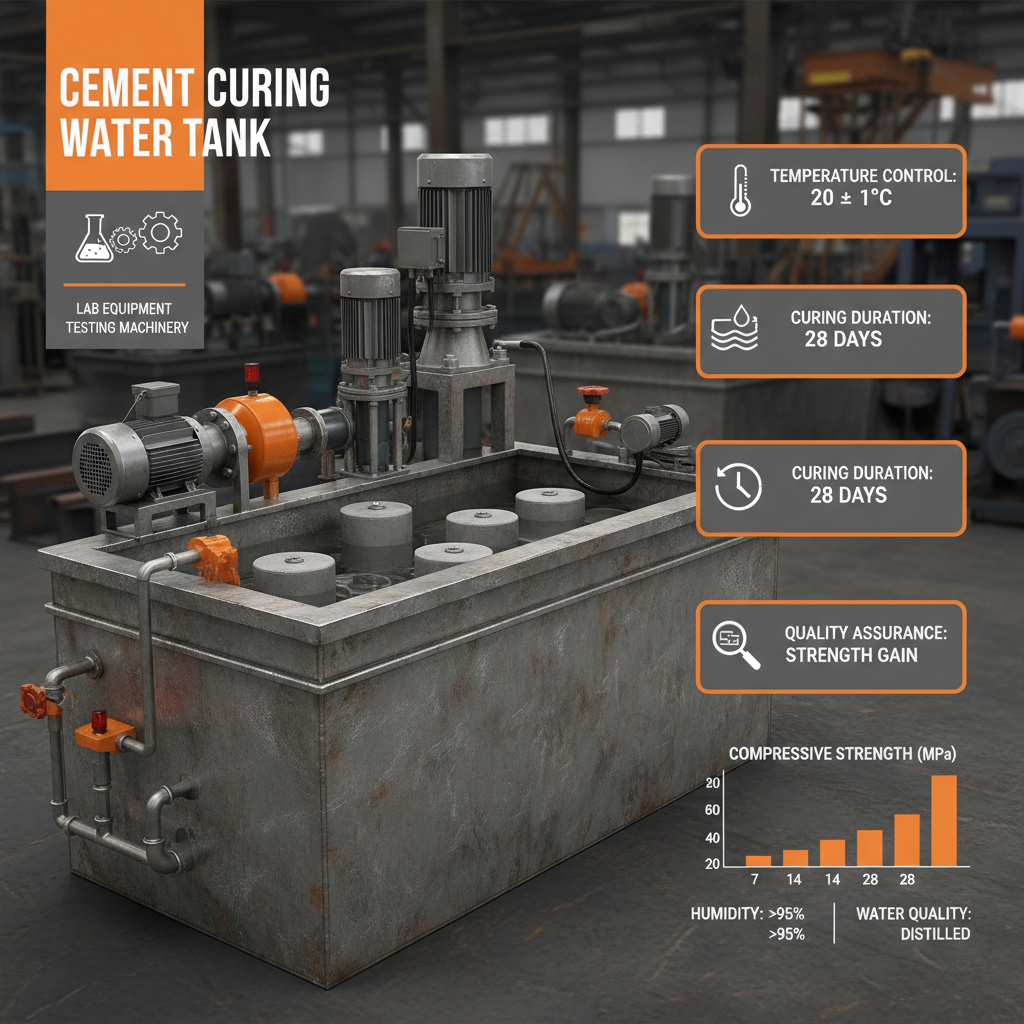
Product Specifications – CZ Lab Instrument Water Tanks
CZ Lab Instrument offers a range of water tanks specifically designed for cement curing applications. These tanks are manufactured from high-quality, UV-resistant polyethylene, ensuring durability and longevity. Available in various capacities, our tanks feature robust construction and convenient fittings for easy connection to watering systems.
Conclusion: Ensuring Optimal Cement Curing
Investing in a quality cement curing water tank from a reputable supplier like CZ Lab Instrument is a crucial step in ensuring the longevity and strength of your concrete structures. By prioritizing consistent hydration and water quality, you can minimize cracking, enhance durability, and maximize the return on your construction investment. Don't compromise on quality – choose the right water tank for your project.
Frequently Asked Questions (FAQs)
What is the ideal water temperature for cement curing?
While the temperature isn’t as crucial as consistent moisture, maintaining a water temperature close to ambient temperature is generally recommended. Avoid using extremely cold or hot water, as this can shock the concrete and hinder the hydration process. Ideally, the water temperature should be between 10°C and 30°C (50°F and 86°F). Temperature influences the rate of hydration; warmer water accelerates the process, while colder water slows it down. However, it's more important to maintain consistent moisture levels than to strictly control the water temperature.
How often should I clean my cement curing water tank?
The frequency of cleaning depends on the water source and environmental conditions. As a general guideline, clean the tank at least once a month, or more frequently if algae growth is noticeable or the water appears dirty. Regular cleaning prevents the buildup of contaminants that can negatively affect the concrete. Use a mild detergent and thoroughly rinse the tank to remove any residue. Inspect the tank for cracks or damage during cleaning.
What are the benefits of using a covered water tank?
Using a covered water tank offers several advantages. It prevents debris, dust, and contaminants from entering the water, maintaining its purity. A cover also reduces evaporation, conserving water and minimizing the need for frequent refills. Furthermore, a cover can help regulate the water temperature, protecting it from excessive heating or cooling. It also prevents algae growth by limiting sunlight exposure.


