
Comprehensive Guide to Ceramic Fiber Muffle Furnace Applications and Selection
Ceramic Fiber Muffle Furnace: A Comprehensive Guide
A ceramic fiber muffle furnace is a vital piece of equipment in many research and industrial settings. This article will delve into the key features, applications, advantages, and considerations when choosing a ceramic fiber muffle furnace. Understanding these aspects is crucial for maximizing efficiency and achieving reliable results. We’ll explore how these furnaces contribute to advancements in material science, heat treatment processes, and quality control. Choosing the right furnace ensures precise temperature control and long-term durability.
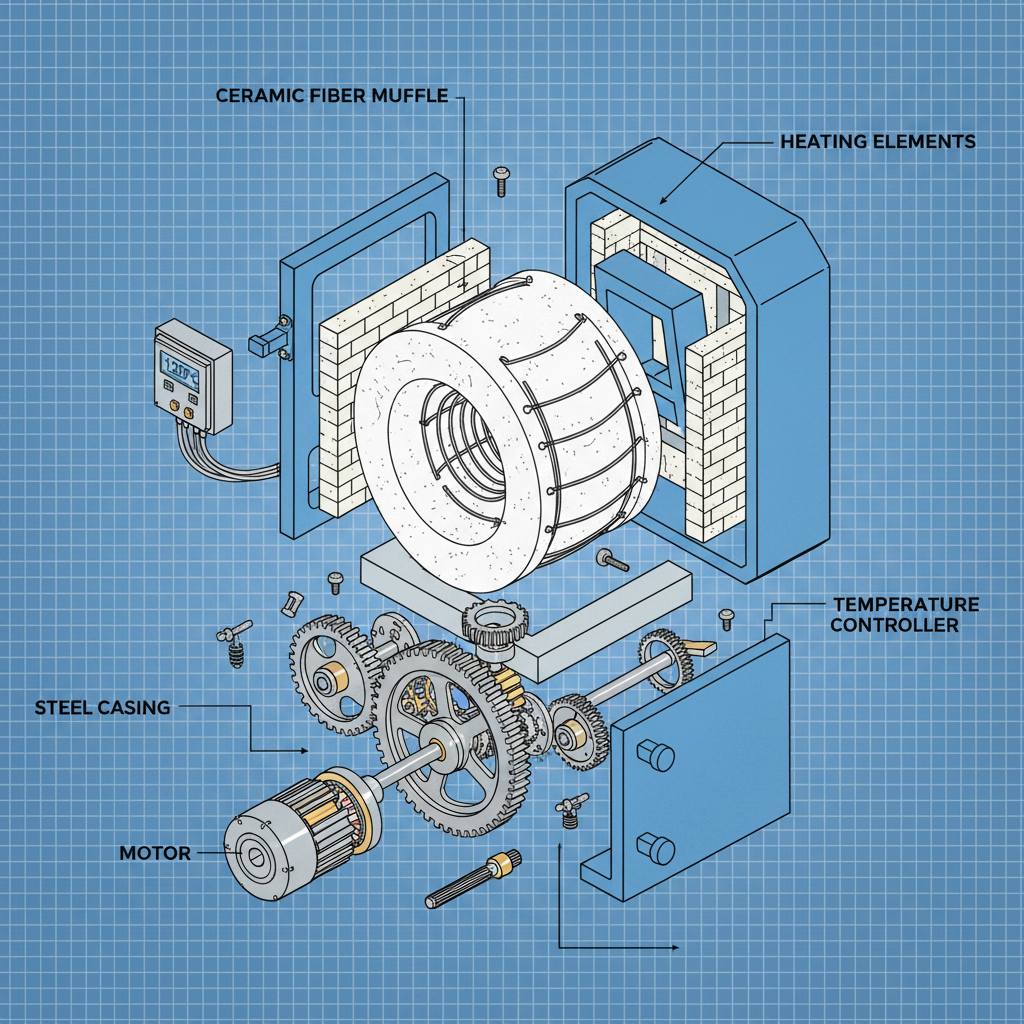
What is a Ceramic Fiber Muffle Furnace?
A muffle furnace, at its core, is a high-temperature heating device used in materials science, chemistry, metallurgy, and more. The “muffle” refers to the furnace’s ability to contain heat, preventing it from radiating outwards. Modern muffle furnaces commonly utilize ceramic fiber insulation, offering significant advantages over older designs. This insulation leads to faster heat-up times, lower energy consumption, and more precise temperature control. A ceramic fiber muffle furnace provides a contained environment for processes requiring high temperatures, ensuring consistent and reliable results.
Key Highlights: Offers faster heating, reduced energy consumption, and precise temperature control thanks to ceramic fiber insulation. Provides a contained, high-temperature environment for various applications.
Key Applications of Ceramic Fiber Muffle Furnaces
Ceramic fiber muffle furnaces are incredibly versatile, finding application across a wide spectrum of industries. Some of the most common uses include: heat treating metals to alter their physical properties, calcination for material analysis, ash content determination in biomass and other samples, sintering ceramics to create strong, dense materials, and chemical composition analysis. The ability to maintain precise temperatures is critical in these processes, making ceramic fiber insulation a key component. These furnaces enable controlled thermal processes essential for research and production.
Application Benefits:
• Precise temperature control for reliable results.
• Versatility for various materials and processes.
• Essential for research, development, and quality control.
Ceramic Fiber vs. Brick-Lined Muffle Furnaces: A Comparison
Traditionally, muffle furnaces were lined with brick insulation. While effective, brick-lined furnaces are significantly heavier, slower to heat up and cool down, and consume more energy. Ceramic fiber muffle furnaces address these drawbacks with their lightweight, highly efficient insulation. Ceramic fiber provides superior thermal shock resistance, reducing the risk of cracking and extending the furnace's lifespan. The faster heating and cooling cycles also improve productivity. Below is a detailed comparison:
Choosing the Right Ceramic Fiber Muffle Furnace
Selecting the appropriate ceramic fiber muffle furnace requires careful consideration of your specific needs. Key factors include: maximum temperature requirements, chamber volume to accommodate your samples, temperature control accuracy, and programmability for complex thermal profiles. Consider the power supply requirements and available space in your laboratory. Investing in a high-quality furnace from a reputable manufacturer like CZ Lab Instrument ensures reliability, performance, and long-term value.
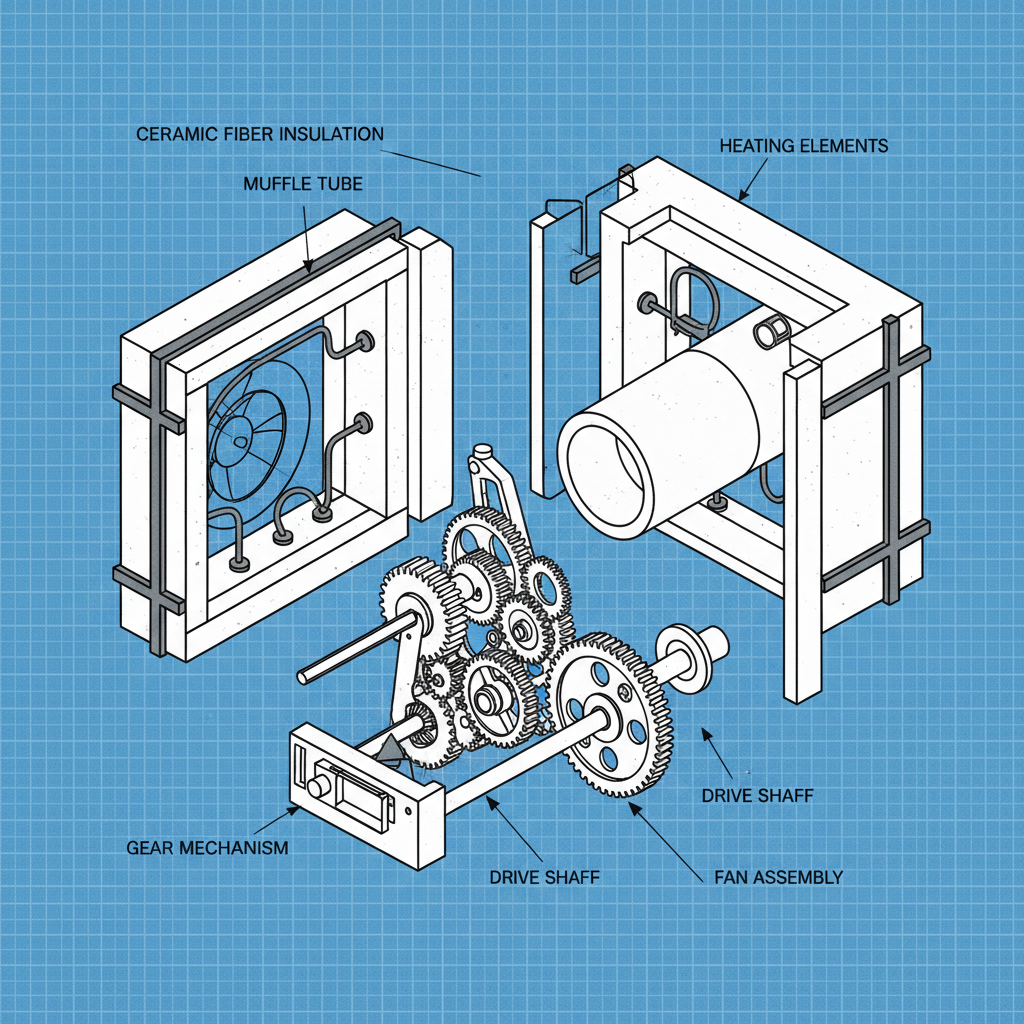
CZ Lab Instrument: Your Trusted Muffle Furnace Supplier
CZ Lab Instrument offers a comprehensive range of ceramic fiber muffle furnaces designed to meet diverse research and industrial needs. We provide furnaces with varying chamber sizes, temperature capabilities, and control options. Our furnaces are built with high-quality materials and undergo rigorous testing to ensure performance and reliability. We are committed to providing exceptional customer service and technical support to help you find the perfect solution for your application. Explore our selection today and experience the difference of a premium ceramic fiber muffle furnace.
Conclusion: Choosing the Right Furnace for Your Needs
Selecting a ceramic fiber muffle furnace is a crucial investment for any laboratory or industrial facility. Consider factors like temperature requirements, chamber size, and energy efficiency to ensure optimal performance. With the right furnace, you can achieve precise temperature control, reliable results, and long-term durability.
Frequently Asked Questions (FAQs)
What temperature range can a ceramic fiber muffle furnace typically achieve?
Most ceramic fiber muffle furnaces offer a temperature range of up to 1200°C (2192°F), with some models capable of reaching even higher temperatures. The specific temperature limit depends on the furnace's design, heating elements, and insulation materials. It's crucial to select a furnace that meets or exceeds your required operating temperature. At CZ Lab Instrument, we offer models with a range of temperature capabilities to suit diverse applications.
How do I maintain a ceramic fiber muffle furnace?
Regular maintenance is vital for ensuring the longevity and performance of your furnace. This includes cleaning the chamber after each use to remove any residue or debris, inspecting the heating elements for damage, and checking the insulation for cracks or wear. Avoid sudden temperature changes and ensure proper ventilation during operation. Following the manufacturer’s guidelines is essential for maintaining optimal performance. CZ Lab Instrument provides detailed maintenance instructions with all our furnaces.
Are ceramic fiber muffle furnaces safe to use?
Ceramic fiber muffle furnaces are generally safe when used correctly. However, it’s important to follow safety precautions, including wearing appropriate personal protective equipment (PPE) such as heat-resistant gloves and safety glasses. Ensure proper ventilation to avoid inhaling any fumes or particles. Never open the furnace while it’s still hot. Always consult the furnace’s user manual for detailed safety guidelines. CZ Lab Instrument furnaces are designed with safety features and adhere to industry standards.
What is the advantage of a programmable controller on a muffle furnace?
A programmable controller allows you to set precise heating and cooling rates, dwell times, and multiple temperature setpoints. This is crucial for complex thermal processes that require specific temperature profiles. Programming eliminates the need for constant manual monitoring and ensures consistent, repeatable results. It also enables automation of thermal processes, improving efficiency and reducing the risk of errors.


