
Comprehensive Guide to Heating Muffle Furnace Functionality and Applications
Heating Muffle Furnace: A Comprehensive Guide
A heating muffle furnace is a crucial piece of equipment in various scientific and industrial applications. From materials science and chemistry to quality control and heat treatment, these furnaces provide controlled, high-temperature environments essential for numerous processes. This article explores the functionality, applications, key features, and selection criteria for heating muffle furnaces, helping you understand why choosing the right furnace is vital for your specific needs. Understanding the nuances of these furnaces ensures optimal performance and reliable results.
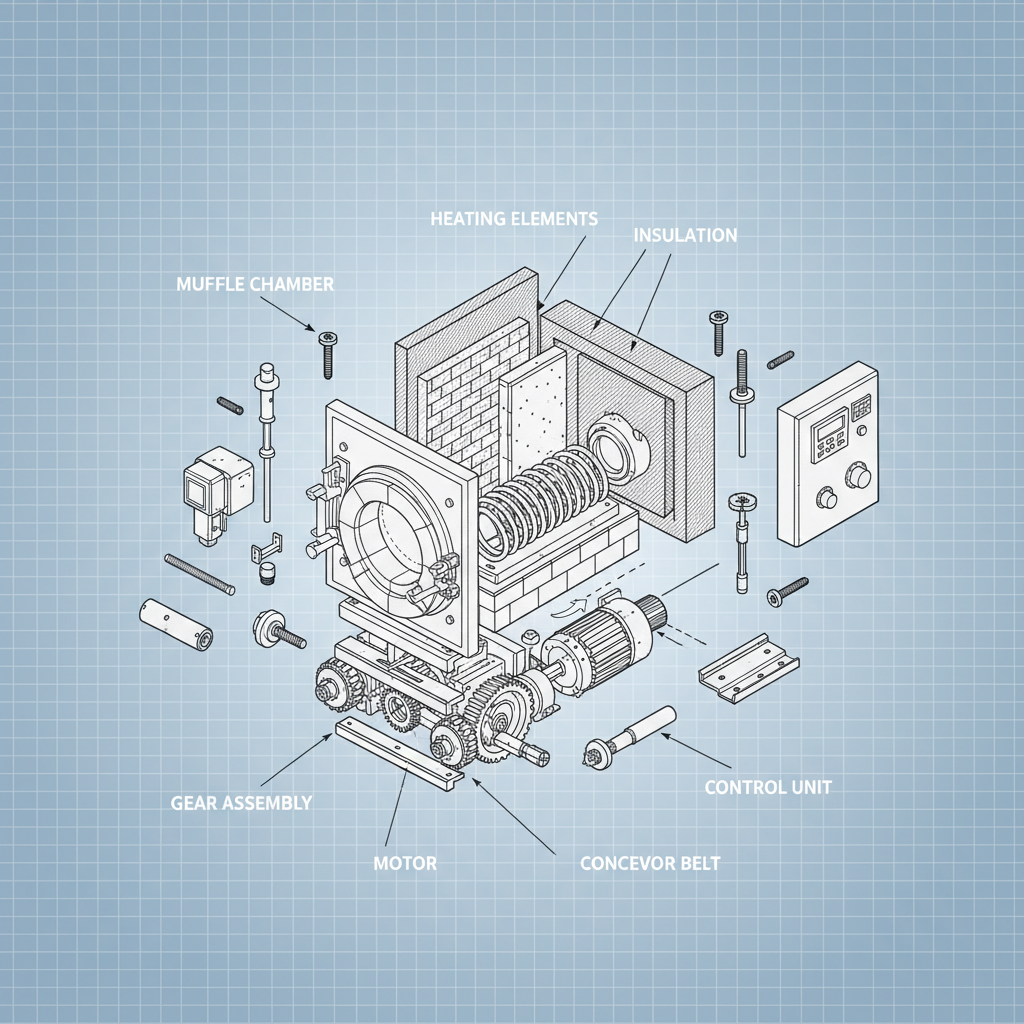
Understanding the Core Functionality of a Heating Muffle Furnace
At its core, a heating muffle furnace uses electrical resistance heating elements to generate temperatures up to 1700°C (and even higher in specialized models). The "muffle" aspect refers to the furnace's insulation, typically ceramic fiber, which surrounds the heating chamber. This insulation minimizes heat loss and provides a stable temperature environment. The chamber itself is usually constructed from refractory materials capable of withstanding extremely high temperatures without degrading. Crucially, this design allows for processes that require a controlled atmosphere, as the muffle effectively seals the chamber, preventing unwanted gas exchange with the surrounding environment.
Key Features: High-temperature capability, excellent temperature uniformity, controlled atmosphere capability, robust insulation for energy efficiency, and durable construction for long-term reliability.
Diverse Applications of a Heating Muffle Furnace
Heating muffle furnaces are indispensable in a remarkably broad range of applications. In materials science, they’re used for sintering, annealing, and ceramic processing. Chemical laboratories utilize them for ash content determination, gravimetric analysis, and the preparation of metal oxides. Quality control processes frequently employ these furnaces for heat treatment and materials testing. Furthermore, industries like pharmaceuticals, electronics, and metallurgy rely on them for specialized heating requirements. The versatility of a heating muffle furnace makes it a cornerstone instrument for many laboratories and production facilities.
Application Areas:
• Materials Science: Sintering, annealing, heat treatment.
• Chemical Analysis: Ashing, gravimetric analysis.
• Quality Control: Heat treatment verification, materials testing.
• Pharmaceutical Industry: Sample preparation, calcination.
Choosing the Right Heating Muffle Furnace: Key Considerations
Selecting the appropriate heating muffle furnace requires careful consideration of several factors. The maximum temperature requirement is paramount, as furnaces are designed for specific temperature ranges. Chamber size is also crucial, determined by the quantity and dimensions of the samples you need to process. Temperature uniformity is vital for accurate results, particularly in demanding applications. Atmosphere control—whether you require an air atmosphere, inert gas, or vacuum—will significantly influence your choice. Finally, consider control systems, programmability, and safety features, such as over-temperature protection. A well-chosen furnace will be a reliable and efficient asset for years to come.
Heating Muffle Furnace Specifications and Models
CZ Lab Instrument offers a wide range of heating muffle furnaces to suit various applications. Our models feature advanced temperature controllers, durable construction, and excellent temperature uniformity. Here’s a brief overview of some popular specifications:
Conclusion: Investing in a Quality Heating Muffle Furnace
Choosing the right heating muffle furnace is an investment in the accuracy, reliability, and efficiency of your processes. Consider your specific application needs, required temperature range, chamber size, and control features to select a model that will deliver optimal performance. CZ Lab Instrument provides high-quality furnaces designed to meet the demands of diverse industries and research environments. Don’t compromise on quality – choose a furnace built to last.
Frequently Asked Questions (FAQs)
What safety features should I look for in a heating muffle furnace?
Prioritize furnaces equipped with over-temperature protection, which automatically shuts off the heating elements if the set temperature is exceeded. A door safety switch prevents operation when the door is open, minimizing heat loss and potential hazards. Ensure the furnace has proper ventilation to dissipate heat and prevent the buildup of fumes. Consider models with double-shell construction for added insulation and exterior surface temperature control. Regular inspection of safety features is essential for ensuring a safe working environment.
How important is temperature uniformity?
Temperature uniformity is critical, especially for applications like heat treating and materials testing. Non-uniform temperatures can lead to inconsistent results and compromise the integrity of your samples. Look for furnaces with multiple heating elements and optimized insulation designs to ensure even heat distribution throughout the chamber. Manufacturers often specify temperature uniformity levels; choose a furnace that meets the requirements of your specific application.
Can a muffle furnace be used with different atmospheres?
Yes, many muffle furnaces can accommodate different atmospheres. Some models are designed for use with inert gases like argon or nitrogen, while others can operate under vacuum. This capability is essential for processes that require preventing oxidation or controlling the chemical environment. Ensure the furnace is properly sealed and equipped with gas inlet/outlet ports if you plan to use a controlled atmosphere.


