
Comprehensive Guide to Class II A2 Biological Safety Cabinet Operation and Applications
Understanding the Class II A2 Biological Safety Cabinet
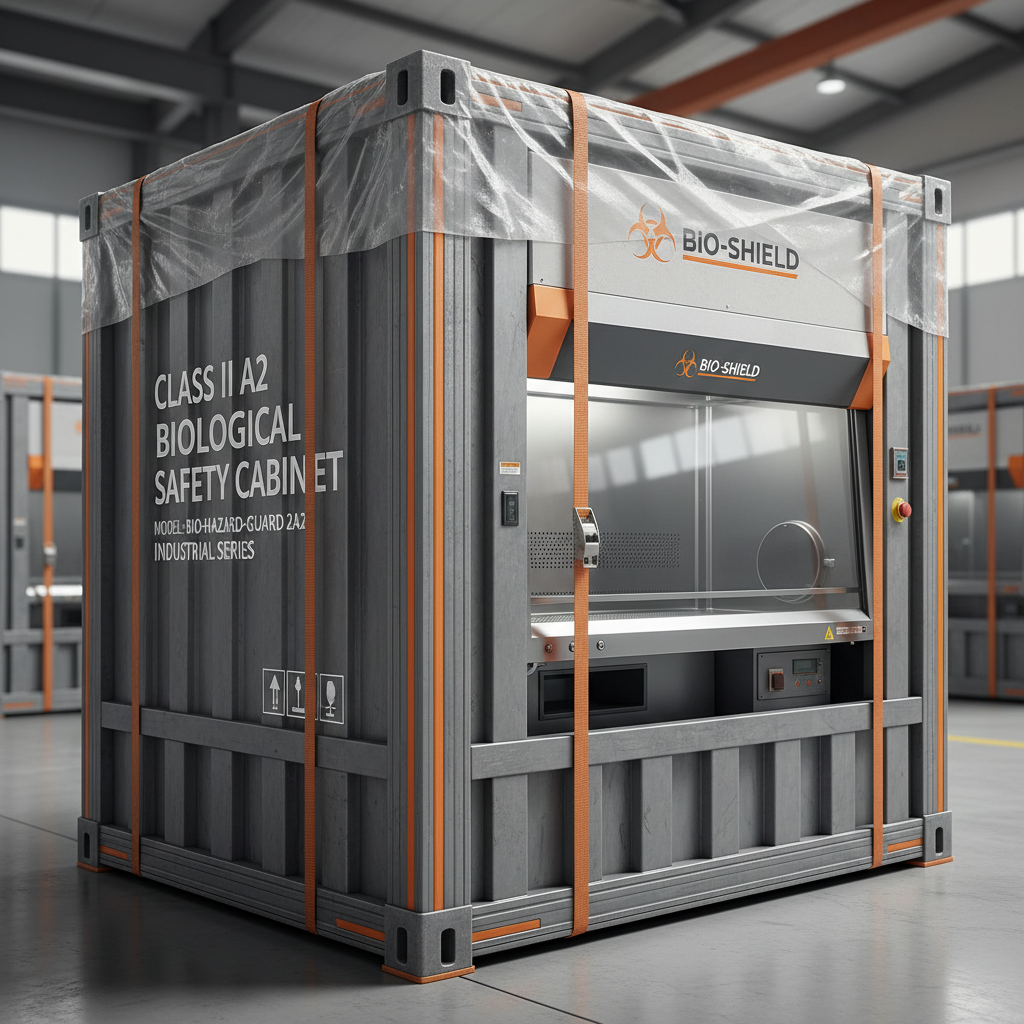
Biological Safety Cabinets (BSCs) are essential pieces of equipment in any laboratory handling infectious agents. Among the different classes, the Class II A2 Biological Safety Cabinet stands out as a widely used and reliable option. This article will provide a comprehensive overview of the Class II A2 BSC, including its principles of operation, applications, key features, maintenance, and why choosing a reputable supplier like CZ Lab Instrument is crucial. Protecting personnel, the environment, and research integrity relies on understanding and properly utilizing these critical safety devices.
How Does a Class II A2 Biological Safety Cabinet Work?
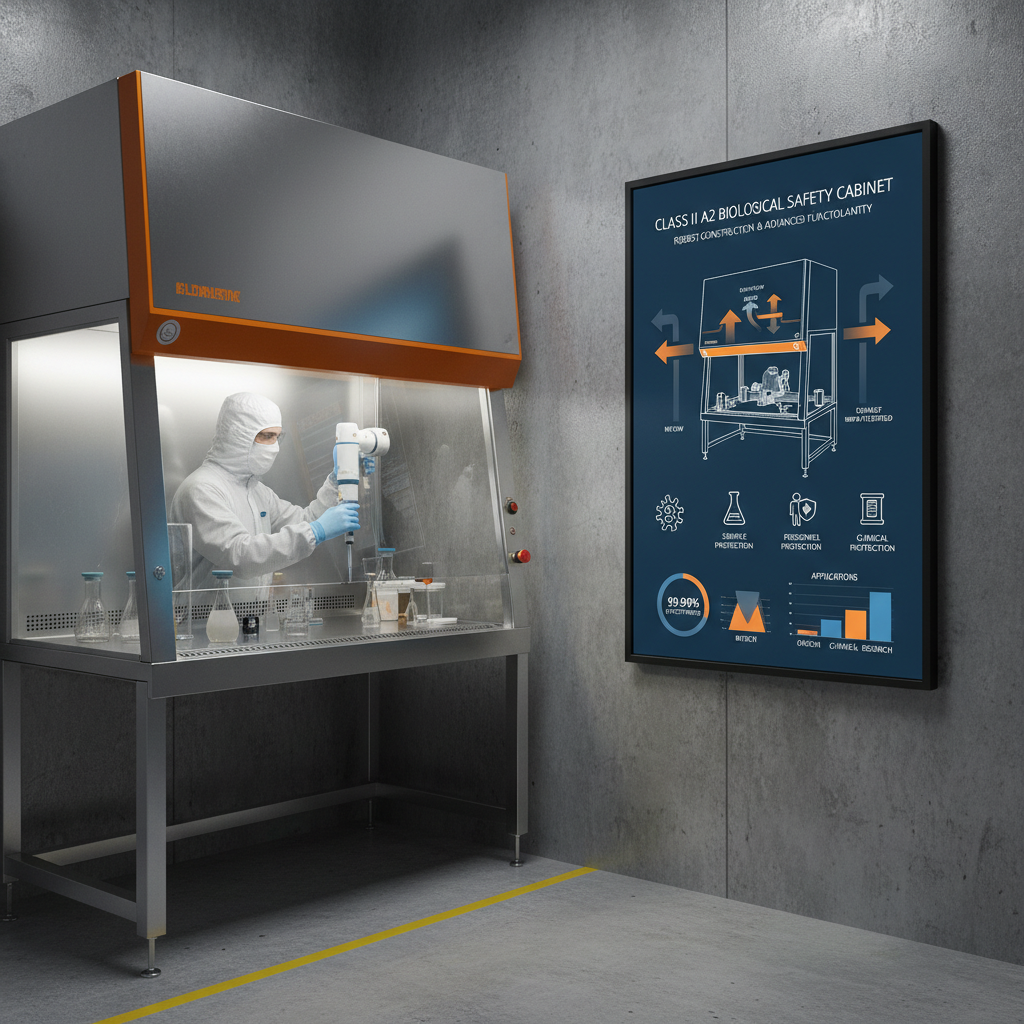
The Class II A2 BSC utilizes a combination of inflow air and exhaust air to provide personnel, product, and environmental protection. Inflow air is drawn into the work area through the front grille, protecting the user. This air then passes through a HEPA (High-Efficiency Particulate Air) filter before being exhausted. A portion of the air recirculates within the cabinet, providing continuous protection for the samples. The key is the balanced airflow, which creates a safe workspace. It's important to understand that while A2 cabinets provide excellent protection for personnel and samples, they do not offer exhaust air HEPA filtration, making them unsuitable for working with volatile toxic chemicals.
Applications of the Class II A2 BSC
The Class II A2 BSC is incredibly versatile and finds application in numerous fields. Common uses include: microbiological research, cell culture, pharmaceutical research and development, medical diagnostic testing, and veterinary medicine. Specifically, it’s ideal for handling non-hazardous biological materials that require a sterile environment. Because of its ability to protect the operator and prevent contamination of the experiment, it’s a cornerstone of modern life science research. Selecting the right BSC is critical for ensuring the validity and safety of your work.
Key Applications: Microbiological research, Cell culture, Pharmaceutical R&D, Medical diagnostics, Veterinary Medicine.
Class II A2 Biological Safety Cabinet: Key Features and Specifications
A quality Class II A2 Biological Safety Cabinet will possess several crucial features. These include a robust stainless steel work surface for easy cleaning and decontamination, a clear viewing window for observation of experiments, ergonomic design for user comfort, and digital controls for monitoring airflow and filter status. Proper certification and regular maintenance are essential for ensuring the cabinet's effectiveness. Here’s a table outlining typical specifications:
Maintenance and Certification of Your Class II A2 BSC
Regular maintenance and certification are absolutely vital to ensure the continued safety and effectiveness of your Class II A2 BSC. This includes routine filter replacement (typically every 6-12 months), airflow measurements, and performance testing. Certification should be performed by a qualified technician to verify compliance with industry standards. Proper decontamination procedures, using appropriate disinfectants, should also be implemented regularly to prevent contamination. Failing to maintain your BSC can compromise its protective capabilities and put personnel at risk. CZ Lab Instrument offers comprehensive service and certification packages.
Choosing the Right Supplier: Why CZ Lab Instrument?
Selecting a reliable supplier is crucial when investing in a Class II A2 Biological Safety Cabinet. CZ Lab Instrument is committed to providing high-quality BSCs, exceptional customer service, and comprehensive support. We offer a wide range of models to suit different laboratory needs, along with installation, training, and ongoing maintenance services. Our commitment to quality ensures you receive a cabinet that meets the highest safety standards and performs reliably for years to come.
Conclusion: Protecting Your Lab with the Right BSC
Investing in a Class II A2 Biological Safety Cabinet from a trusted supplier like CZ Lab Instrument is a critical step in safeguarding your personnel, your research, and the environment. Understanding the principles of operation, proper maintenance, and choosing the right features will ensure you have a reliable and effective safety solution.
Frequently Asked Questions (FAQs)
What is the difference between Class II A2, B1, and B2 BSCs?
Class II A2 BSCs recirculate some filtered air back into the laboratory. Class II B1 BSCs exhaust filtered air directly to the outside (not recirculated), and have a dedicated exhaust system. Class II B2 BSCs are similar to B1 cabinets but have higher exhaust velocities and are designed for handling hazardous substances. The choice depends on the specific hazards involved; A2 is suitable for routine work with non-hazardous materials, while B1 and B2 are for more dangerous applications requiring direct exhaust.
How often should the HEPA filter be replaced?
Generally, HEPA filters should be replaced every 6-12 months, depending on usage and the types of materials being handled. However, it's crucial to monitor filter performance using airflow measurements and pressure drop readings. A significant increase in pressure drop indicates the filter is becoming clogged and needs replacement. Regular filter replacement is essential for maintaining the cabinet’s protective capabilities.
What cleaning and decontamination procedures should be followed?
Regular cleaning with appropriate disinfectants is vital. Before and after each use, wipe down all interior surfaces with a suitable disinfectant. Avoid using harsh chemicals that could damage the cabinet's components. Periodic decontamination, using a vaporized hydrogen peroxide (VHP) or other approved method, should be performed to eliminate any residual contamination. Follow the manufacturer's recommendations for cleaning and decontamination procedures.
Can a Class II A2 BSC be used with volatile toxic chemicals?
No, a Class II A2 BSC is not designed for use with volatile toxic chemicals. Because the exhaust air is recirculated through a HEPA filter but not ducted to the outside, these chemicals can build up within the cabinet and potentially expose personnel. For handling volatile toxic chemicals, a Class II B2 BSC with a dedicated exhaust system or a chemical fume hood is required.


