
Vertical Type Laminar Flow Cabinet Ensuring Sterile Environments for Research and Industry
Vertical Type Laminar Flow Cabinet: Ensuring Contamination-Free Environments
Maintaining a sterile working environment is paramount in numerous scientific and industrial applications. A Vertical Type Laminar Flow Cabinet provides the necessary protection for sensitive processes. This article will explore the functionality, benefits, applications, and key considerations when choosing a vertical laminar flow cabinet. We will focus on how these cabinets offer a controlled atmosphere, essential for research, pharmaceuticals, electronics, and more. Investing in the right cabinet is a critical step towards ensuring the integrity and reliability of your work.
Understanding Laminar Flow and Cabinet Types
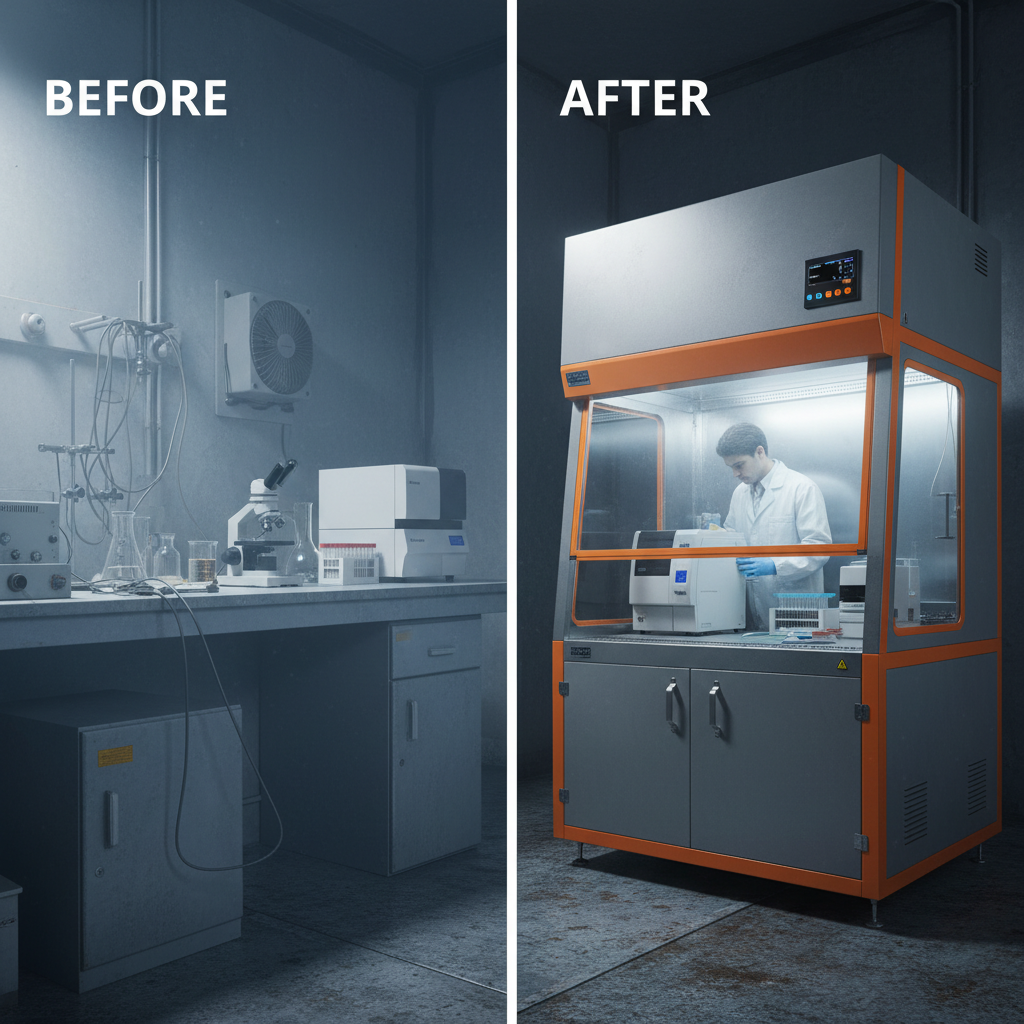
Laminar flow is the smooth, unidirectional movement of air. In a laminar flow cabinet, air is filtered and moved in a consistent direction, minimizing turbulence and preventing contamination. Vertical flow cabinets expel filtered air vertically, creating a downward flow of clean air. This is in contrast to horizontal flow cabinets where air moves across the work surface. Vertical flow cabinets are often preferred when working with hazardous materials as the airflow directs potential contaminants away from the user. The vertical laminar flow cabinet is a cornerstone of many quality control procedures.
Key Benefits: Minimizes contamination, protects samples and processes, provides a controlled working environment, and ensures reproducibility of results.
Key Features of a Vertical Laminar Flow Cabinet
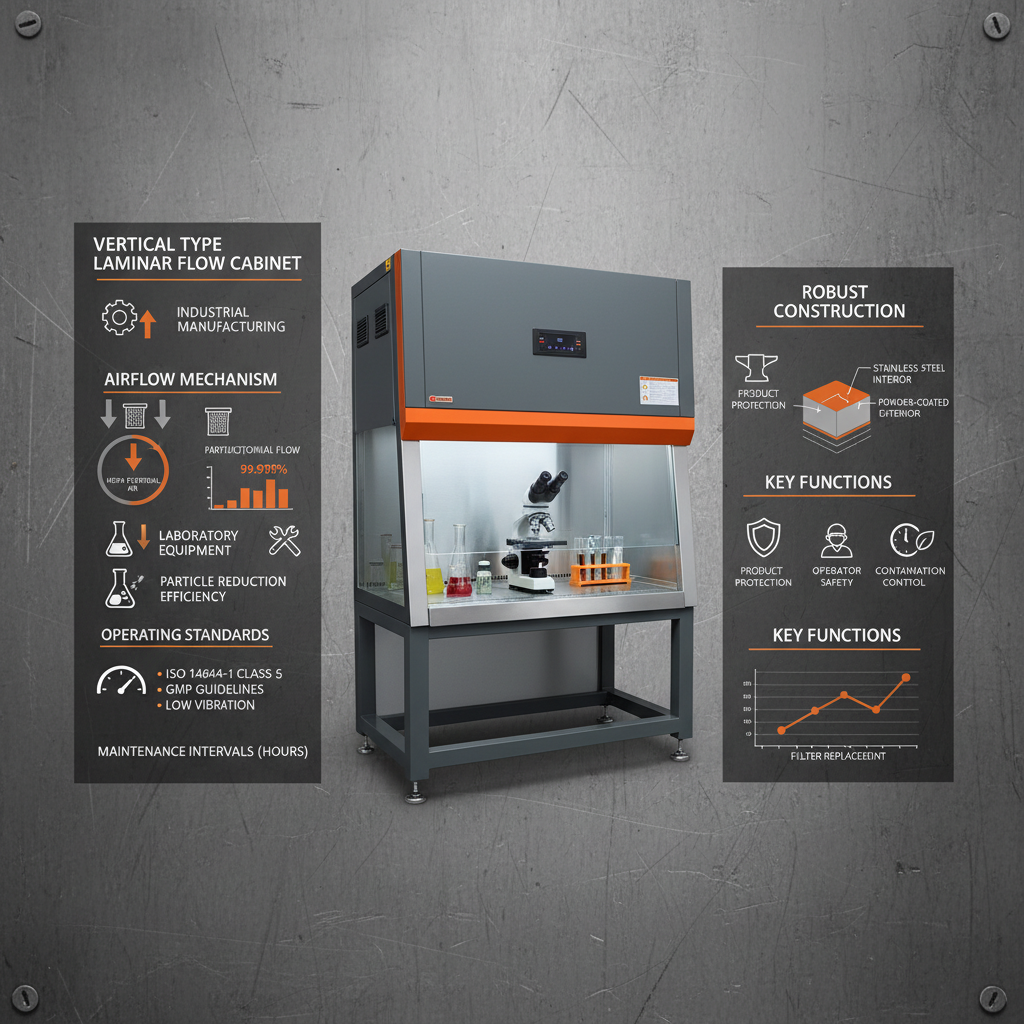
Modern vertical laminar flow cabinets boast several key features. High-Efficiency Particulate Air (HEPA) filters remove at least 99.97% of particles 0.3 microns in diameter, ensuring a consistently clean air supply. A stainless steel work surface provides a durable and easy-to-clean environment. Integrated UV lights offer additional sterilization capabilities. Some models include digital displays for monitoring airflow and filter life. The design focuses on minimizing vibrations and noise, creating a more comfortable working environment. Choosing a cabinet from a reputable manufacturer like CZLabInstrument ensures quality and reliability.
Applications Across Industries
The versatility of vertical laminar flow cabinets makes them indispensable across a broad spectrum of industries. In pharmaceuticals, they are crucial for sterile compounding and drug preparation. Biotechnology labs utilize them for cell culture and microbiology. Electronics manufacturing relies on them for assembly and inspection of sensitive components. Medical research benefits from their ability to create contamination-free environments for experiments. Even food science utilizes these cabinets to ensure the safety and purity of samples. The vertical laminar flow cabinet is a vital component for maintaining stringent quality control standards.
Choosing the Right Vertical Type Laminar Flow Cabinet
Selecting the appropriate cabinet requires careful consideration of your specific needs. The size of the work area should be adequate for your processes. The type of HEPA filter and its efficiency are critical. Consider whether you require additional features such as UV sterilization or data logging. The cabinet’s construction materials should be compatible with the chemicals and processes you will be using. It's also crucial to choose a reputable supplier like CZLabInstrument, ensuring you receive a quality product with reliable support.
Maintenance and Safety Guidelines
Regular maintenance is crucial for ensuring the continued performance and reliability of your vertical laminar flow cabinet. This includes routinely replacing HEPA filters according to the manufacturer’s recommendations. Cleaning the work surface with appropriate disinfectants is essential. Periodic checks of airflow velocity and UV light intensity should be performed. Always follow proper safety procedures when working with hazardous materials, including wearing appropriate personal protective equipment.
Conclusion: Investing in a Sterile Future
A Vertical Type Laminar Flow Cabinet is an indispensable tool for maintaining a clean and controlled work environment. By understanding the features, applications, and maintenance requirements of these cabinets, you can ensure the integrity and reliability of your scientific or industrial processes. Investing in quality equipment from a trusted supplier like CZLabInstrument is a crucial step towards achieving optimal results.
Frequently Asked Questions (FAQs)
How often should I replace the HEPA filter?
The frequency of HEPA filter replacement depends on usage and the environment. Generally, filters should be replaced every 6-12 months, or when the airflow velocity drops below the recommended level. Some cabinets have filter life indicators that provide a visual warning. Regular filter replacement is critical to maintain sterility. Following the manufacturer’s guidelines, such as those provided by CZLabInstrument, is essential.
What is the typical airflow velocity for a vertical laminar flow cabinet?
The typical airflow velocity for a vertical laminar flow cabinet is between 80-100 linear feet per minute (LFPM). Maintaining this velocity is crucial for ensuring proper laminar flow and effective contamination control. The airflow velocity should be regularly monitored using an anemometer. If the velocity falls outside the recommended range, it may indicate a clogged filter or other issue requiring attention.
Can I use any disinfectant to clean the work surface?
Not all disinfectants are suitable for use on laminar flow cabinet work surfaces. Avoid using harsh chemicals or abrasive cleaners that could damage the surface or contaminate the air. Isopropyl alcohol (70%) is generally a safe and effective disinfectant. Always refer to the manufacturer's recommendations for approved cleaning agents. CZLabInstrument provides detailed cleaning guidelines for its cabinets.
Are vertical laminar flow cabinets suitable for working with hazardous materials?
Vertical laminar flow cabinets are often preferred for working with hazardous materials because the airflow directs potential contaminants away from the user. However, it’s crucial to understand that these cabinets do not provide personnel protection. They protect the process, not the operator. Additional safety measures, such as wearing appropriate personal protective equipment (PPE) and working in a well-ventilated area, are essential when handling hazardous substances.


