
Comprehensive Guide to Concrete Curing Chambers for Optimal Results
Concrete Curing Chamber: A Comprehensive Guide
Maintaining optimal temperature and humidity is crucial for achieving the desired strength and durability in concrete. A concrete curing chamber provides a controlled environment to ensure consistent hydration and prevent cracking. This article provides an in-depth look at concrete curing chambers, their benefits, key features, applications, and considerations when choosing the right system. Investing in a quality chamber ensures reliable results and enhances the longevity of concrete structures.
Understanding the Importance of Controlled Curing
Concrete curing is the process of maintaining satisfactory moisture content and temperature in concrete for a defined period after placement. Proper curing is paramount because it directly impacts the final strength, durability, and overall quality of the concrete. Inadequate curing can lead to cracking, reduced strength, and increased permeability. A concrete curing chamber eliminates the variability of environmental factors, ensuring consistent and predictable results. It's a vital piece of equipment for laboratories, research institutions, and concrete producers.
Key Benefits: Controlled temperature and humidity, reduced cracking, increased strength, enhanced durability, consistent results, and reliable data.
Key Features of a High-Quality Concrete Curing Chamber
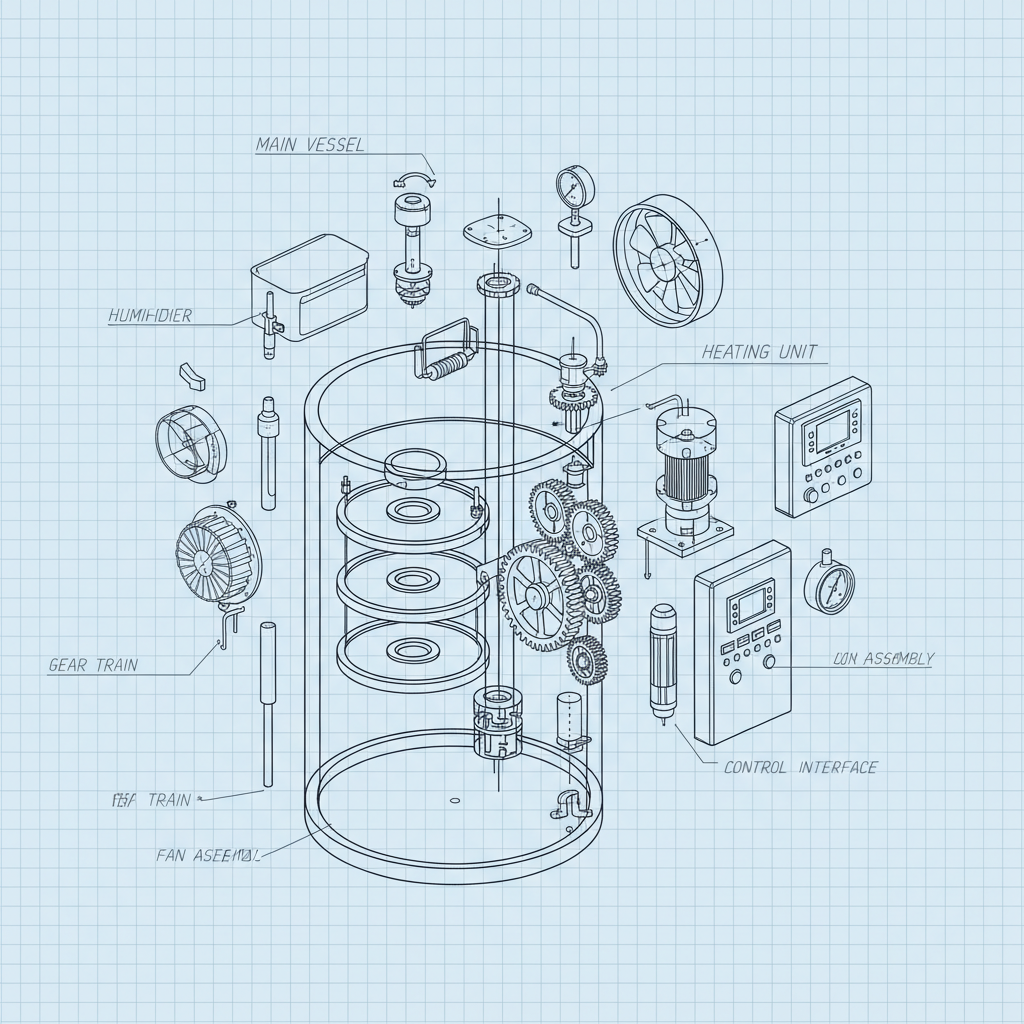
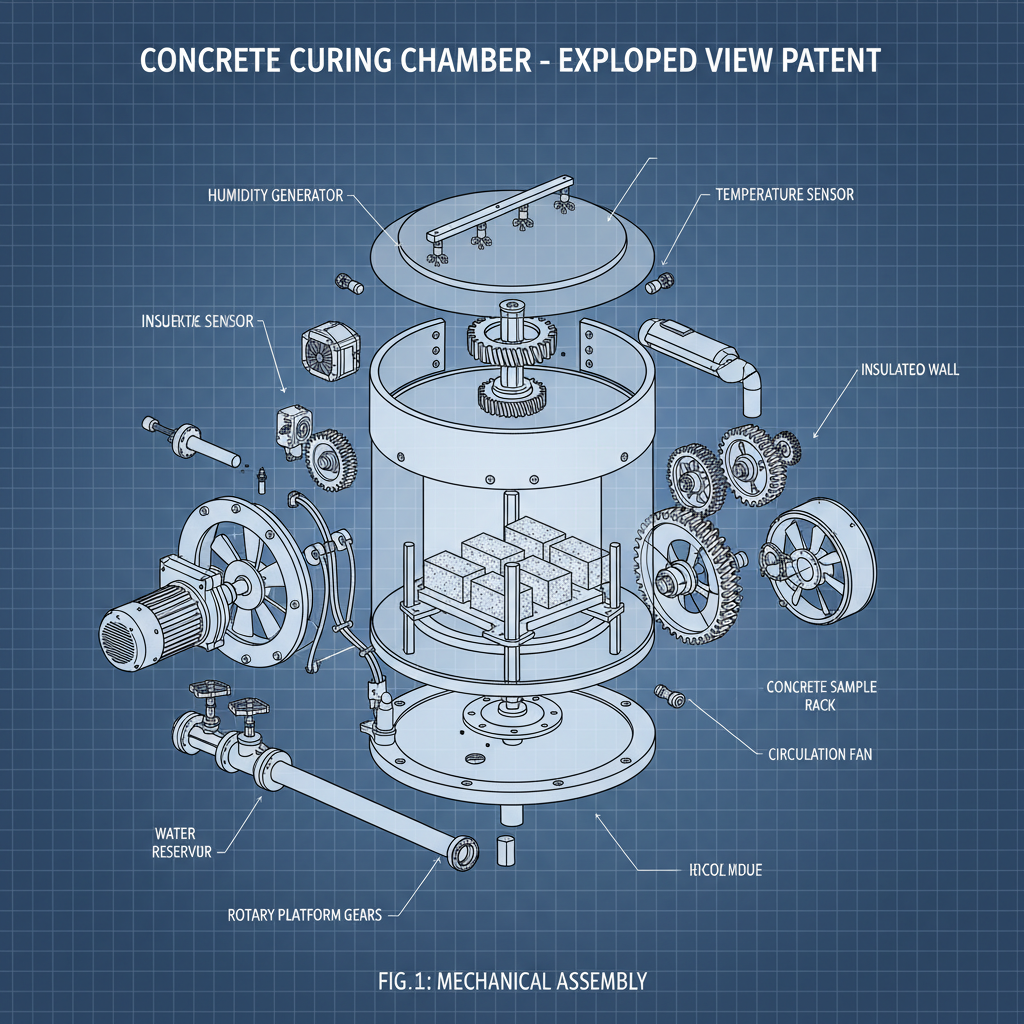
Modern concrete curing chambers are equipped with a range of features to ensure precise control and monitoring. These typically include precise temperature control, humidity regulation, a robust chamber construction, and user-friendly control systems. Some advanced models also feature data logging capabilities and remote monitoring. The ability to customize temperature and humidity profiles allows for simulating various curing conditions and assessing the performance of different concrete mixes.
Essential Features:
• Precise temperature control (typically 0°C to 50°C)
• Humidity regulation (typically 40% to 100% RH)
• Robust chamber construction for thermal stability
• Digital control panel with programmable profiles
Concrete Curing Chamber vs. Field Curing: A Comparison
While concrete can be cured in the field using methods like water spraying, wet burlap, or plastic sheeting, these methods are susceptible to environmental fluctuations and inconsistencies. A concrete curing chamber offers a significant advantage by providing a controlled and repeatable environment. Field curing relies on external factors, making it difficult to maintain consistent conditions. This inconsistency can lead to variations in concrete strength and durability. A chamber ensures uniform hydration and minimizes the risk of defects.
Applications of Concrete Curing Chambers
Concrete curing chambers are essential for a variety of applications, including research and development, quality control, and precast concrete production. Researchers use chambers to study the effects of different curing conditions on concrete properties. Quality control laboratories rely on chambers to ensure that concrete mixes meet specified standards. Precast concrete producers utilize chambers to consistently produce high-quality products. They are also invaluable for testing admixtures and cement types.
Selecting the Right Concrete Curing Chamber: Key Considerations
Choosing the appropriate concrete curing chamber depends on your specific needs and budget. Consider the chamber’s size, temperature and humidity ranges, control system, data logging capabilities, and overall build quality. Ensure the chamber meets relevant industry standards and certifications. Also, factor in the availability of maintenance and support services. CZ Lab Instrument offers a range of concrete curing chambers to suit various applications and budgets.
Conclusion: Investing in Precise Concrete Curing
A concrete curing chamber is an invaluable asset for anyone involved in concrete testing, research, or production. By providing a controlled environment, it ensures consistent and reliable results, leading to higher-quality and more durable concrete structures. Investing in a quality chamber is a smart move for long-term success.
Frequently Asked Questions (FAQs)
What temperature and humidity ranges are typically offered in concrete curing chambers?
Most concrete curing chambers offer a temperature range from 0°C to 50°C (32°F to 122°F), allowing for simulation of various environmental conditions. Humidity control typically ranges from 40% to 100% Relative Humidity (RH), enabling precise control over the hydration process. The specific ranges may vary depending on the model and manufacturer. It’s important to choose a chamber that meets the requirements of your specific testing or curing protocols. Advanced models may offer even wider ranges and more precise control for specialized applications.
How often should a concrete curing chamber be calibrated?
Regular calibration is crucial for ensuring the accuracy and reliability of a concrete curing chamber. It's generally recommended to calibrate the temperature and humidity sensors at least once a year, or more frequently if the chamber is used intensively or if accuracy is critical. Calibration should be performed by a qualified technician using certified standards. Maintaining calibration records is important for quality control and traceability.
What size concrete samples can be accommodated in a standard chamber?
The size of concrete samples that can be accommodated varies depending on the chamber's internal dimensions. Standard chambers typically can hold samples up to 150mm x 150mm x 150mm (6in x 6in x 6in). Larger chambers are available for accommodating larger samples or multiple samples simultaneously. It's essential to verify the chamber's dimensions and capacity before purchasing to ensure it can accommodate your specific sample sizes.
What maintenance is required for a concrete curing chamber?
Regular maintenance is essential for ensuring the long-term performance and reliability of a concrete curing chamber. This includes cleaning the chamber regularly to remove dust and debris, checking the door seals for leaks, and inspecting the humidity system for proper operation. Following the manufacturer’s recommendations for cleaning and maintenance is crucial. Regularly checking and calibrating the sensors is also important.


