
Comprehensive Guide to Concrete Pressure Testing Machines and Applications
Understanding Concrete Pressure Testing Machines
Ensuring the structural integrity of concrete is crucial in any construction project. A concrete pressure testing machine plays a vital role in determining the compressive strength of concrete specimens, a key indicator of its quality and durability. This article will delve into the world of these machines, exploring their types, applications, and the importance of accurate testing. Investing in the right equipment and following proper testing procedures can save significant costs and ensure the safety of structures. CZLabInstrument provides high-quality testing solutions for all your concrete testing needs.
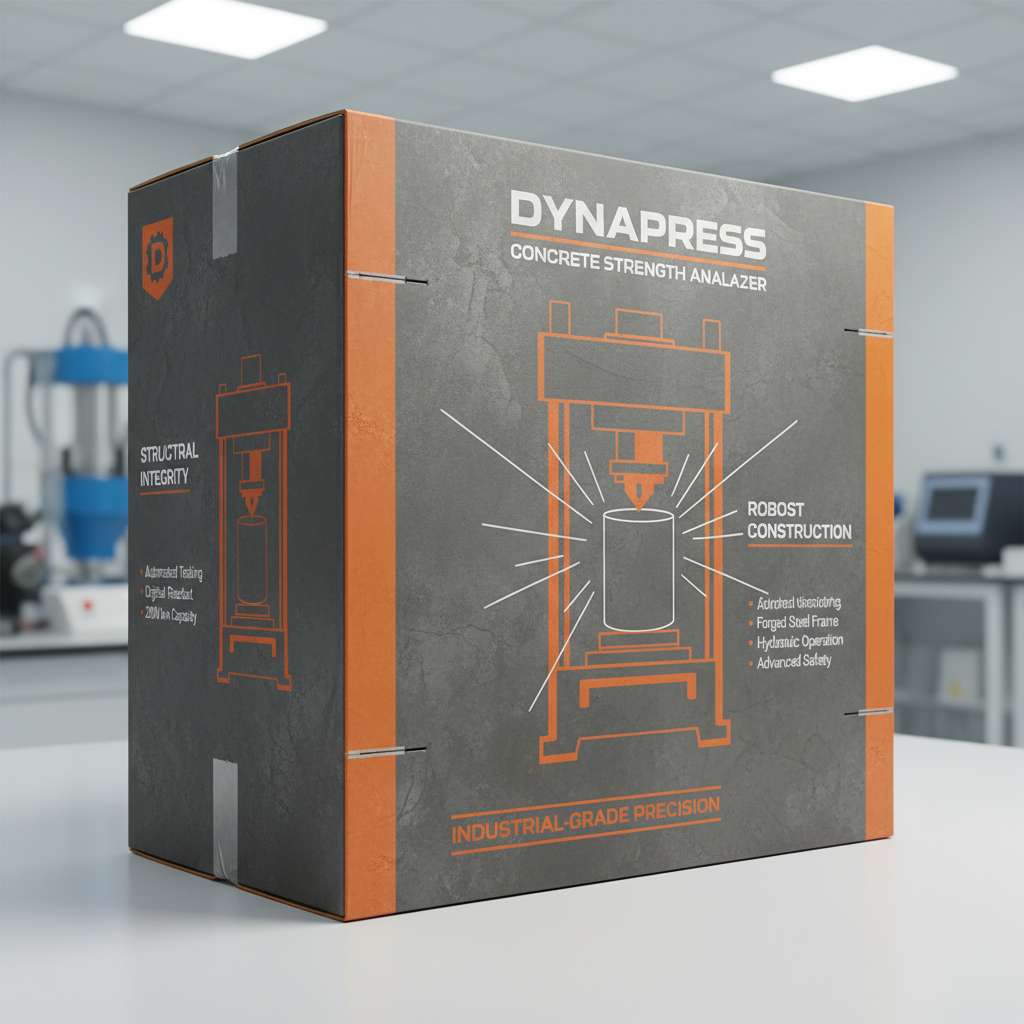
What is a Concrete Pressure Testing Machine?
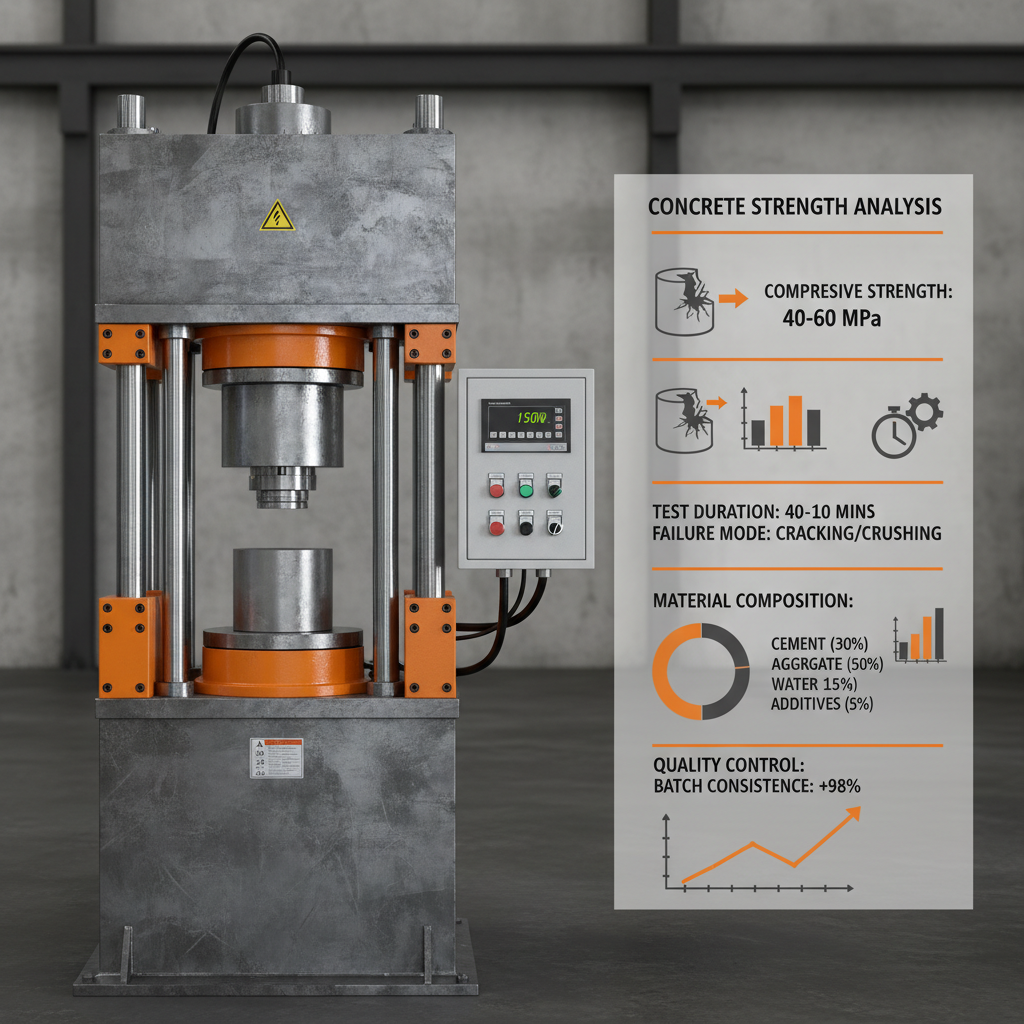
A concrete pressure testing machine, also known as a compression testing machine, is a specialized piece of equipment designed to measure the compressive strength of concrete samples. The machine applies a controlled compressive load to a concrete cylinder or cube until it fails. The maximum load the specimen can withstand before crushing is recorded, and this value is used to calculate the compressive strength. This strength is a fundamental property used to assess the quality of concrete mixes and ensure they meet specified structural requirements. Accurate testing is vital for maintaining construction standards and ensuring long-term structural reliability. These machines often utilize hydraulic systems for precise load application.
Key Benefit: Precisely determining concrete compressive strength ensures structural integrity and safety, preventing costly failures and protecting lives.
Types of Concrete Pressure Testing Machines
Concrete pressure testing machines come in various types, each suited to different testing needs and budgets. The most common types include:
- Manual Compression Testing Machines: These machines rely on manual lever mechanisms to apply the load. They are typically less expensive but require significant operator effort and may offer lower precision.
- Electromechanical Compression Testing Machines: These machines use electric motors and precision gears to apply the load. They offer better control and accuracy compared to manual machines.
- Hydraulic Compression Testing Machines: These are the most commonly used type for professional testing. They employ a hydraulic system to generate immense pressure, allowing for testing of high-strength concrete specimens. They provide excellent accuracy and control.
Applications of Concrete Pressure Testing
Concrete pressure testing is vital across numerous applications within the construction and materials science fields. These include:
- Quality Control: Regularly testing concrete batches during construction to ensure they meet specified strength requirements.
- Research and Development: Developing new concrete mixes and evaluating their performance under compressive loads.
- Structural Analysis: Assessing the strength of existing concrete structures to determine their load-bearing capacity and identify potential weaknesses.
- Compliance Testing: Verifying that concrete meets relevant industry standards and building codes.
- Forensic Engineering: Investigating failures in concrete structures to determine the cause and prevent future incidents.
Comparing Hydraulic and Electromechanical Machines
Choosing between a hydraulic and electromechanical concrete pressure testing machine depends on your specific needs and budget. Here’s a comparison:
Choosing the Right Machine from CZLabInstrument
At CZLabInstrument, we offer a comprehensive range of concrete pressure testing machines to meet diverse testing requirements. Our experts can help you select the best machine based on your budget, testing capacity, and specific application. We pride ourselves on delivering high-quality, reliable equipment with exceptional customer support. Contact us today for a consultation!
Conclusion
Investing in Accurate Concrete Testing
Investing in a high-quality concrete pressure testing machine is essential for ensuring the safety and durability of any construction project. Accurate testing provides crucial data for quality control, structural analysis, and compliance with industry standards. CZLabInstrument is your trusted partner for reliable testing solutions and expert support.
Frequently Asked Questions (FAQs)
What is the standard specimen size used for concrete compression testing?
The most common specimen sizes are cylinders with a diameter of 6 inches (152.4 mm) and a height of 12 inches (304.8 mm), and cubes with sides of 150mm (6 inches). However, the specific dimensions can vary depending on the applicable standards and project requirements. The aspect ratio (height to diameter) is crucial for accurate results. Using the correct specimen size ensures consistent and reliable data. CZLabInstrument provides molds to create the correct sizes for testing.
How often should a concrete pressure testing machine be calibrated?
A concrete pressure testing machine should be calibrated at least once a year, or more frequently if it is used heavily or if there's any indication of inaccuracy. Calibration ensures that the machine is providing accurate load readings. CZLabInstrument offers calibration services to guarantee the reliability of your testing equipment. Maintaining accurate calibration is critical for compliance and reliable test results.
What safety precautions should be taken when operating a concrete pressure testing machine?
Safety is paramount when operating these machines. Always wear appropriate personal protective equipment (PPE), including safety glasses and hearing protection. Ensure the machine is properly grounded and that all safety guards are in place before starting a test. Never stand directly in front of the specimen during testing, as it can shatter violently. Follow the manufacturer's instructions carefully and receive proper training before operating the machine.


